
There's something about a grand piano that commands attention. Whether it's the centrepiece of a concert hall or sitting elegantly in the corner of your drawing room, a fine piano represents far more than just an instrument. It's a piece of craftsmanship, a family heirloom, and, let's be honest, a significant financial investment.
But here's the thing – that Steinway, Bösendorfer, or treasured Victorian upright that's been in your family for generations probably isn't as well protected as you think. Standard home insurance often leaves these magnificent instruments woefully underinsured, and the specific risks they face rarely get the attention they deserve.
So, let's take a closer look at why concert and heirloom pianos need specialist cover – and what you should be looking for in a policy.
Why Your Home Insurance Probably Isn't Enough
You might assume that your contents insurance will cover your piano if something goes wrong. And technically, it might, up to a point. But standard policies come with limitations that can leave piano owners seriously out of pocket.
The first issue is valuation. Most home insurance policies have single-item limits, often capping out at around £1,500 to £2,000 for any individual item unless you've specifically listed it. A quality upright piano can easily cost £5,000 to £15,000, while a concert grand from a prestigious maker like Fazioli or Steinway can run well into six figures. If your policy doesn't know about it, it won't pay out properly for it.
Then there's the question of what's actually covered. Standard policies typically don't account for the unique risks pianos face – things like cracked soundboards, warped hammers, or damaged keys that can occur during tuning or moving. These aren't your typical "accidental damage" scenarios, and insurers who don't understand pianos often don't cover them.
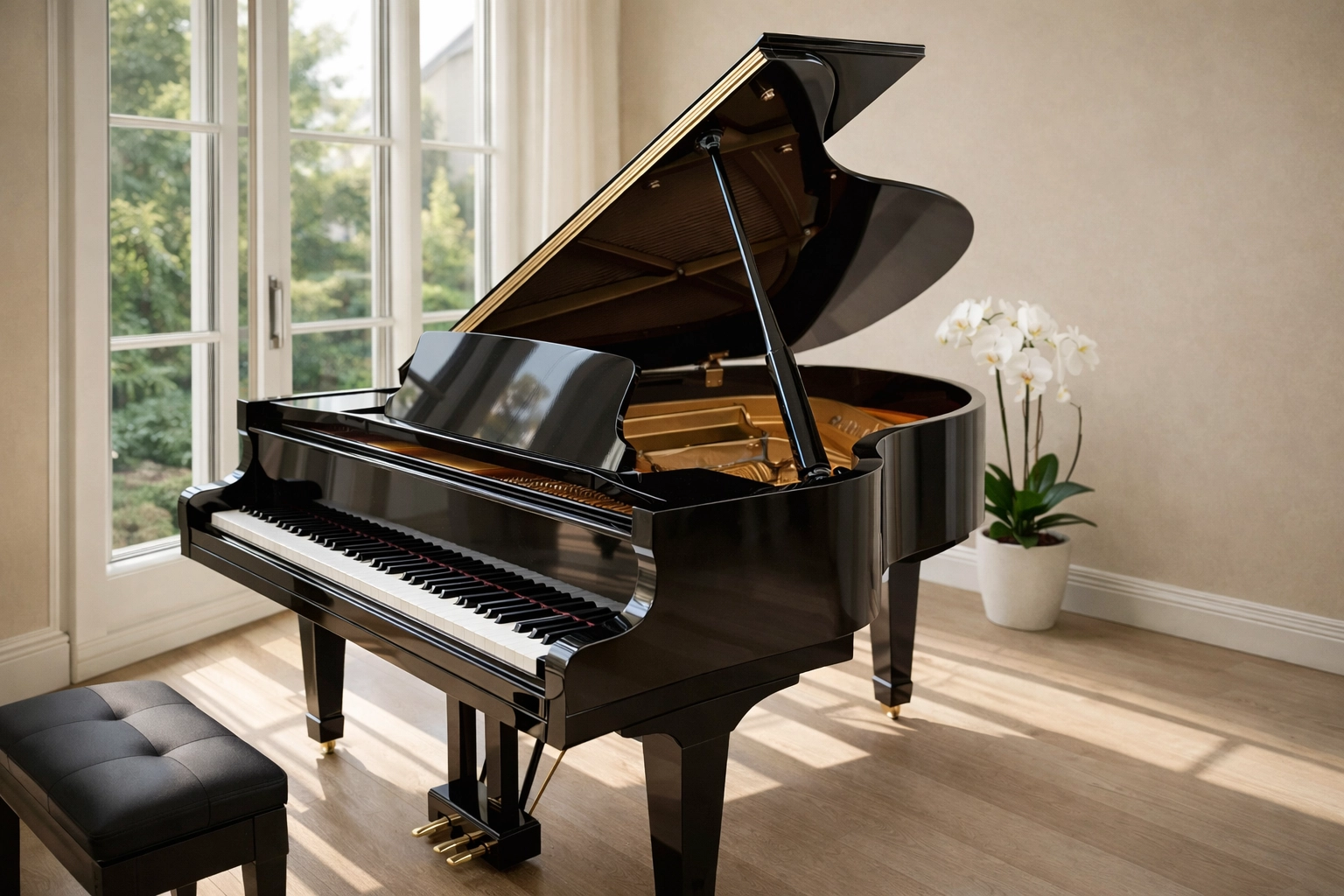
The Unique Risks Your Piano Faces
Pianos are surprisingly delicate for something so large and imposing. They're also incredibly heavy, which creates its own set of problems. Here are some of the specific risks that specialist insurance is designed to address:
Moving and Transportation
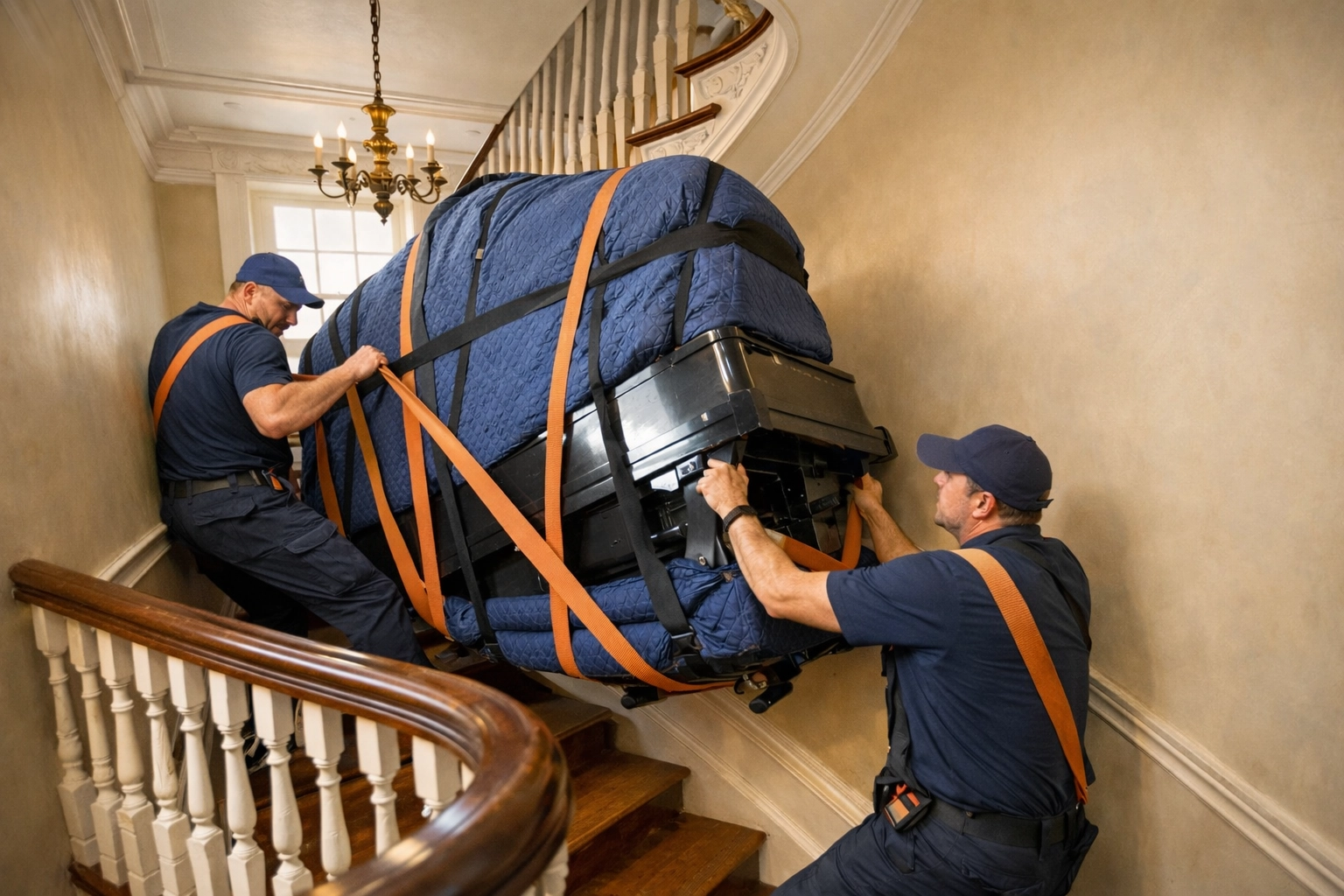
This is where things get particularly tricky. Moving a grand piano isn't like shifting a sofa – it requires specialist equipment, trained movers, and careful planning. Even with professionals, accidents happen. A knock against a doorframe, a sudden shift on a staircase, or an unexpected jolt in transit can cause damage that costs thousands to repair.
And if you're a performing musician who travels with your instrument, the risks multiply. Concert pianists and touring artists face heightened exposure every time their piano leaves the premises.
Environmental Damage
Pianos are extraordinarily sensitive to their environment. Fluctuations in temperature and humidity can wreak havoc on the soundboard, cause tuning instability, and even lead to cracks in the wooden components. This is particularly relevant for heirloom instruments that may have lived through decades of varying conditions.
Water damage, whether from a burst pipe, flooding, or even a spilled drink, can be catastrophic. Fire damage, obviously, is another major concern. These are risks that standard policies may cover in principle, but the devil is in the details when it comes to replacement values and restoration costs.
Accidental Damage
We've all heard horror stories. A wayward elbow during a dinner party. A child's enthusiastic but ill-advised attempt to "help" with the dusting. A heavy object falling onto the keys. Accidents happen in the home, and when they involve a £50,000 instrument, the consequences can be devastating.
What Does Specialist Piano Insurance Actually Cover?
This is where things get interesting. A good specialist policy goes well beyond the basics. Here's what you should expect:
Accidental damage, loss, and theft – The core cover you'd expect, but with proper valuations that reflect your piano's true worth.
Fire, water, and natural disaster protection – Essential cover, particularly for instruments in older properties or areas prone to flooding.
Tuning and moving damage – This is often excluded from standard policies but is a key feature of specialist cover. If your tuner accidentally damages a hammer or a mover dents the casing, you're protected.
Depreciation compensation – Here's one many people don't consider. If your piano is damaged and repaired, it may have reduced in value even after restoration. Specialist policies can compensate you for this depreciation.
Newly acquired instruments – Planning to add to your collection? Some policies automatically provide cover for new acquisitions, often up to 25% of your existing policy limit, giving you breathing room before you update your cover.
Hire costs – If you're a performer and your instrument is out of action due to a claim, some policies will cover the cost of hiring a replacement (typically up to £1,000) so you can continue performing.
Worldwide coverage – For touring musicians, this is essential. Domestic-only policies won't help you if something happens at a concert in Vienna.
Public liability – Often included free of charge or as an optional add-on, this protects you if someone is injured as a result of your piano or your performance.
Who Really Needs Specialist Cover?
If you're reading this, you probably already suspect the answer is "you." But let's break it down:
High-net-worth homeowners – If you own a valuable piano as part of a wider collection of high-value items, your standard home insurance almost certainly isn't cutting it. Pianos should be heirloom piano insurance alongside other significant assets.
Collectors of rare or antique instruments – Vintage pianos from renowned makers aren't just instruments; they're appreciating assets. Their value needs to be properly assessed and protected.
Touring pianists and concert artists – The risks of transporting and performing with a valuable instrument are simply too high for standard cover.
Institutions and conservatories – Music schools, concert halls, and churches often house multiple valuable pianos that require comprehensive protection.
Estate holders and families with heirlooms – That piano your grandmother played might be worth more than you realise, both financially and sentimentally.
Getting the Valuation Right
One of the most common mistakes piano owners make is underestimating, or simply not knowing, what their instrument is worth. This isn't like valuing a car where you can look up the registration online. Piano valuations require expert assessment.
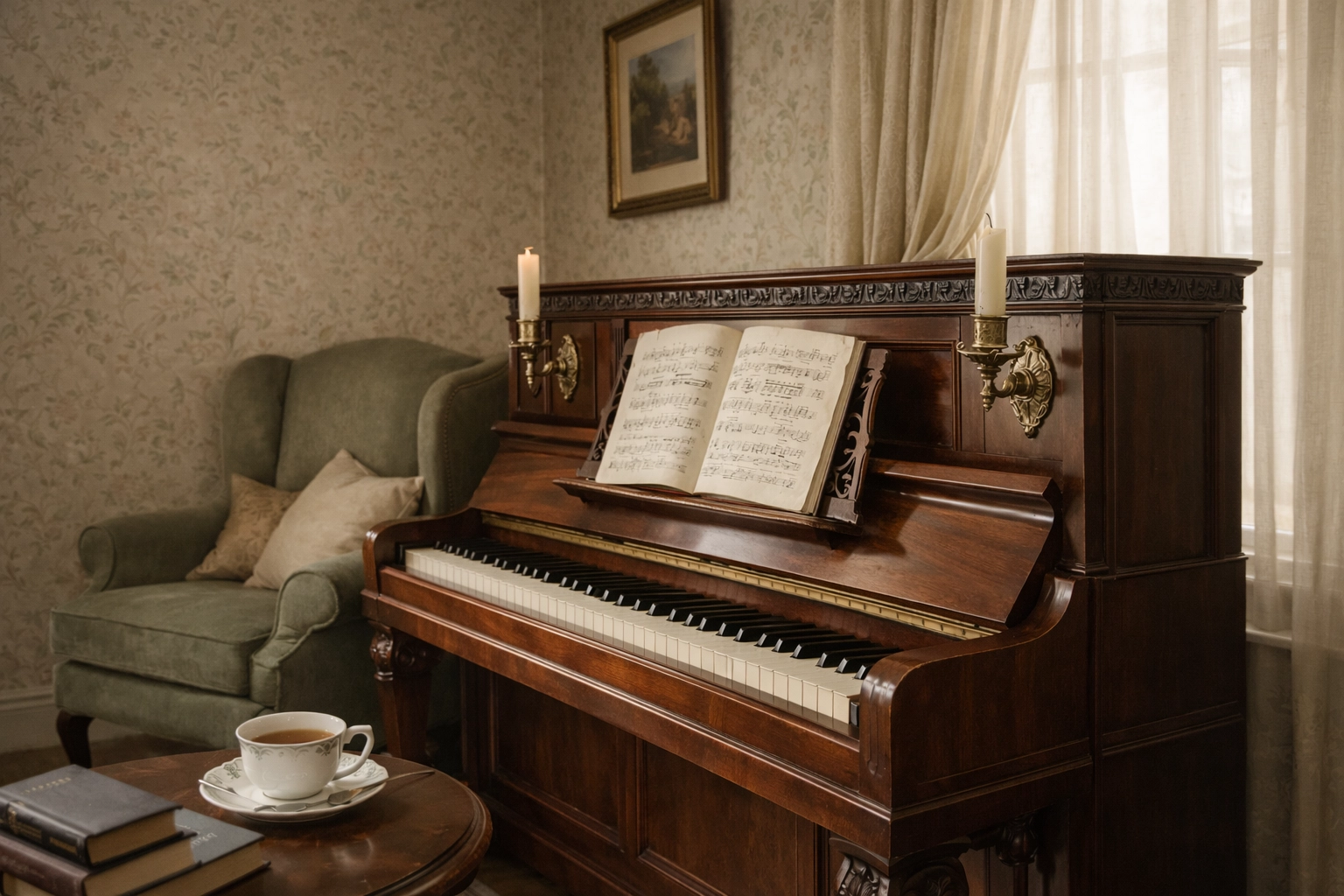
For newer instruments, the purchase price is a reasonable starting point, though you'll want to account for any appreciation (or depreciation) since then. For heirloom and antique pianos, a professional appraisal is essential. The maker, age, condition, provenance, and even the specific characteristics of the instrument all play a role.
It's worth getting this done properly. In the event of a claim, you'll need to demonstrate your piano's value. And if you've underestimated it, you'll only receive a payout based on your declared sum insured.
Choosing the Right Policy
When shopping for specialist piano insurance, there are a few key questions to ask:
- What's the territorial limit? Do you need cover just at home, throughout the UK, or worldwide?
- Are there any exclusions for moving or tuning? These are common scenarios where damage occurs.
- Is depreciation compensation included? This matters more than you might think for valuable instruments.
- What's the claims process like? Ideally, you want an insurer who understands pianos and can recommend specialist repairers.
- Is public liability included? Particularly important for performers or if you teach from home.
Protecting Your Investment
A fine piano is more than just furniture that makes music. It's a statement of taste, a connection to history, and often a significant portion of your overall wealth. Treating it as just another item on your contents policy is a risk that simply isn't worth taking.





About The Author: Penny
More posts by Penny