
Starting your music degree is exciting. New friends, new tutors, new opportunities – and probably a fair amount of practice room bookings. But amidst all that excitement, there's one thing that often gets pushed to the bottom of the to-do list – sorting out proper insurance for your instrument.
Whether you're a cellist lugging your pride and joy across campus or a flautist with a vintage silver instrument that cost more than your first car, getting the right cover matters. And yet, so many music students make the same avoidable mistakes when it comes to protecting their gear.
Let's walk through the five most common slip-ups – and, more importantly, how you can sidestep them.
Mistake 1: Assuming Your Parents' Home Insurance Has You Covered
This is the big one. It's incredibly common for students (and their parents) to assume that the family home insurance policy will automatically cover instruments taken to university. After all, it covers your stuff at home, right?
Well, not exactly.
Most standard home contents policies have strict limits on items taken away from the property. Some might offer a small amount of "personal possessions" cover, but it's often capped at a few hundred pounds – nowhere near enough if you're carrying around a £2,000 violin or a professional-grade saxophone.
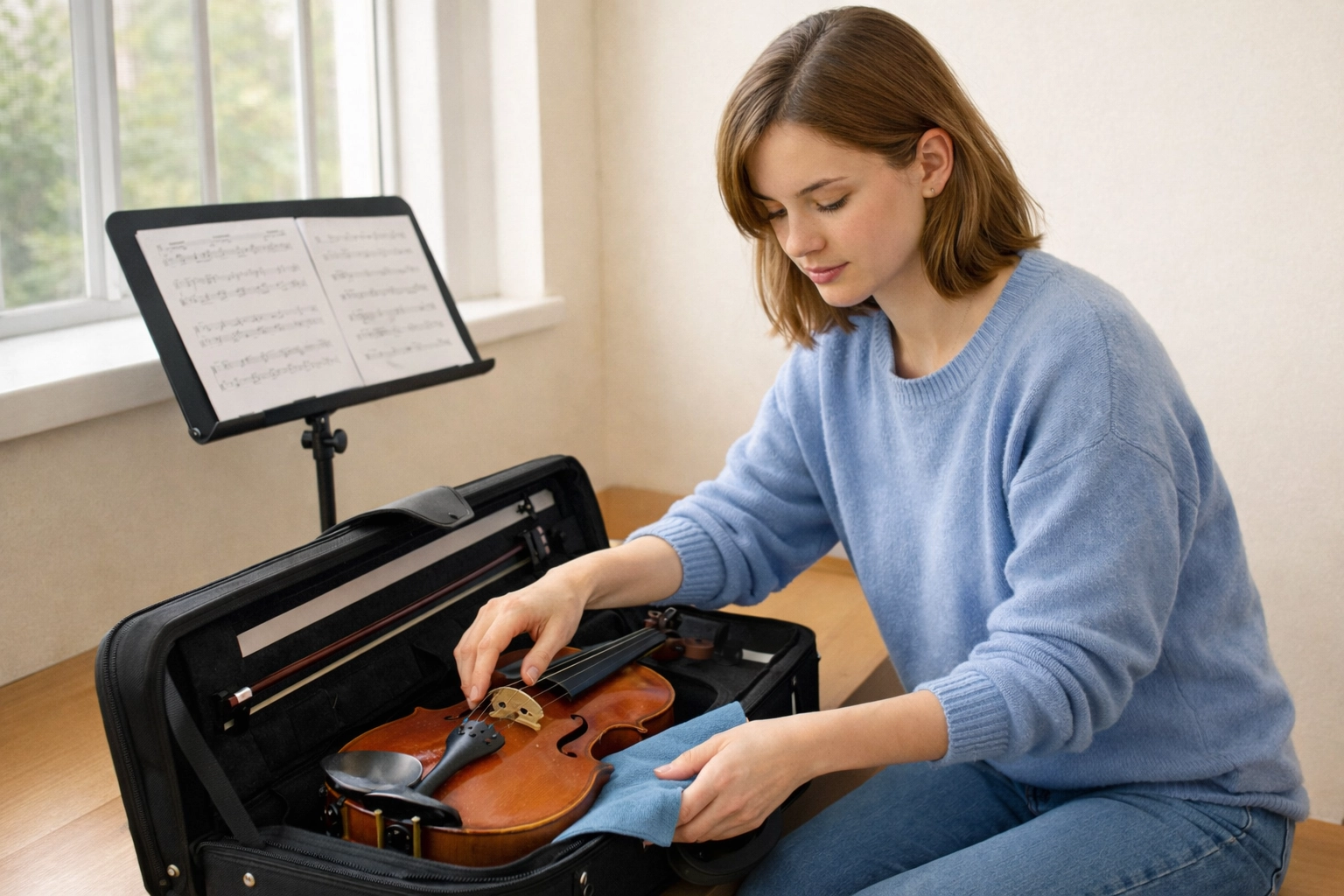
And here's the kicker – even if there is some cover, it might only apply for short trips away from home, not for the entire academic year while you're living in halls or a student house. Some policies exclude student accommodation altogether.
How to avoid it: Don't assume – check. Ask your parents to dig out the policy documents and look for the "personal possessions away from home" section. If the limits are too low or the wording excludes student living situations, it's time to look at student instrument insurance. You might also want to read our guide on cover at university for more tips.
Mistake 2: Forgetting About Geographical Limits
Planning a summer tour with your brass ensemble? Got an exchange semester lined up in Vienna? Exciting stuff. But before you pack your instrument, you'll want to check where your insurance actually covers you.
Many student musical instrument policies only provide protection within the United Kingdom. The moment you step off British soil – whether that's a ferry to France or a flight to the States – your cover might vanish entirely.
This catches a lot of people out. You spend months preparing for an international competition, only to realise mid-flight that if anything happens to your instrument, you're on your own.
How to avoid it: If you know you'll be travelling abroad with your instrument, make sure your policy includes international cover. Some specialist policies offer this as standard; others charge a small extra premium. Either way, it's worth every penny for the peace of mind.
Mistake 3: Not Understanding What's Actually Covered
Insurance policies can feel a bit like reading a contract written in another language. But it's worth taking the time to understand what you're actually protected against – and, crucially, what you're not.
Most musical instrument insurance covers accidental damage and theft. So if you accidentally knock your guitar off a stand or someone swipes your clarinet from a rehearsal room, you should be covered.
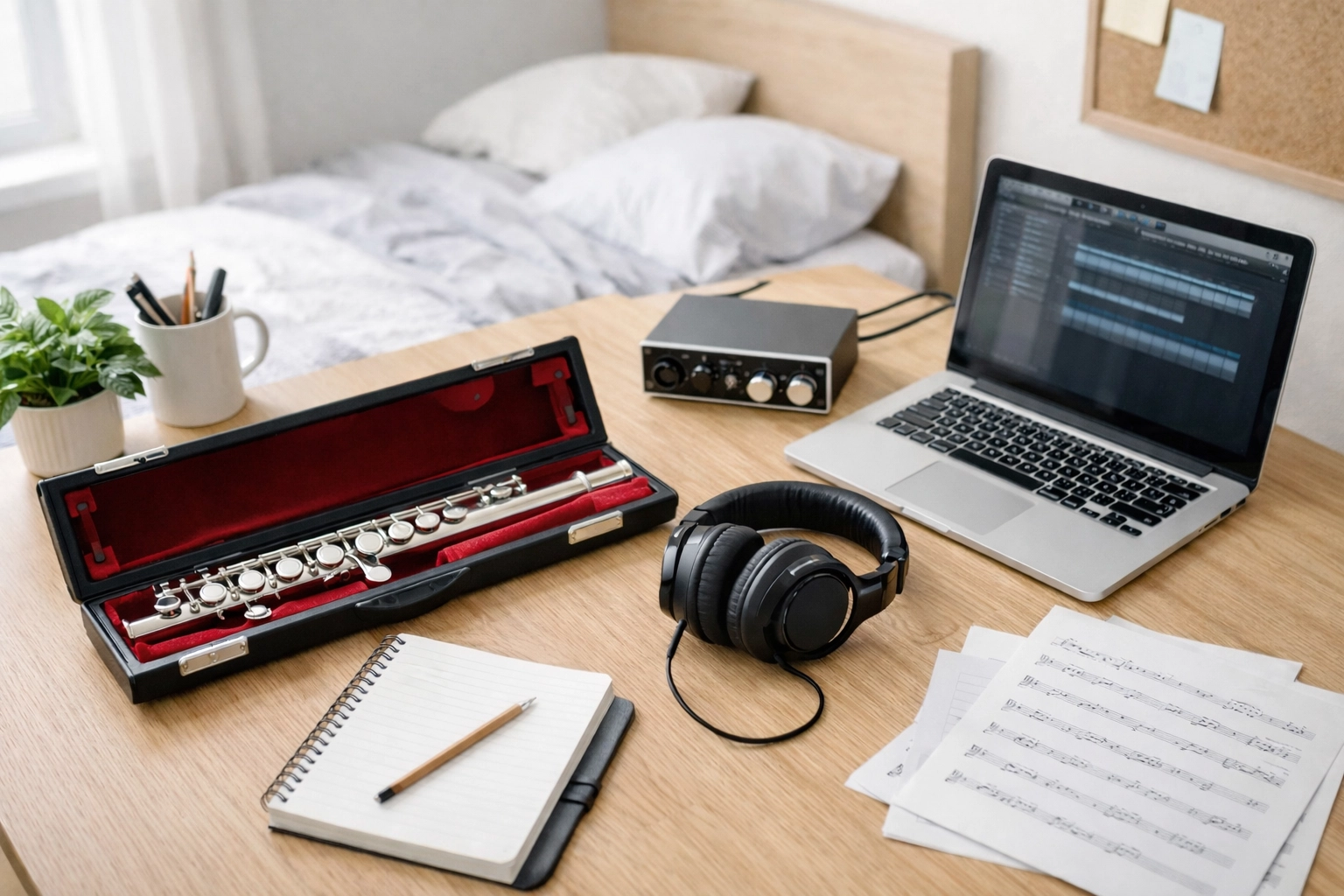
But here's where it gets tricky. Things like mechanical failure, electronic faults, and manufacturing defects are typically excluded. If your electronic keyboard suddenly stops working because of a dodgy circuit board, that's probably not going to be covered.
Similarly, if you've got related equipment – say, a laptop with expensive mixing software, or an audio interface – that won't be included unless you specifically add it to your policy.
How to avoid it: Read the policy wording carefully. Yes, it's boring. Yes, it takes time. But knowing your exclusions upfront means no nasty surprises when you need to make a claim. If you're unsure about anything, just ask your insurer to clarify. A good provider will be happy to explain things in plain English.
Mistake 4: Underestimating the Value of Your Instrument
When was the last time you actually checked how much your instrument is worth? If you've been playing the same cello since you were fifteen, you might still think of it as "that thing Mum bought second-hand." But instruments – especially quality ones – can appreciate in value over time.
Equally, if you've upgraded your bow, replaced your case, or added accessories, the total value of your kit might be significantly higher than you realise.
The problem? If you've insured your instrument for £1,500 but it's actually worth £3,500, you're going to be seriously out of pocket if something goes wrong. Most policies will only pay out up to the sum insured, regardless of the actual replacement cost.
How to avoid it: Get a proper valuation. Many music shops offer this service, or you can use a specialist appraiser. Once you know the true value, make sure your policy reflects it. And remember to update your cover if you buy new equipment or your instrument increases in value. We've got some helpful advice on specialist musician coverage that applies just as much to instruments as it does to jewellery and tech.
Mistake 5: Overlooking Public Liability (If You Perform or Teach)
This one doesn't apply to everyone, but if you're already gigging, busking, or giving private lessons to younger students, you might need more than just instrument cover.
Public liability insurance protects you if someone makes a claim against you for injury or damage. Imagine you're performing at a local venue and your music stand topples over, injuring a member of the audience. Or you're teaching a piano lesson at someone's home and accidentally damage their furniture. Without public liability cover, you could be personally responsible for compensation.

Many venues and employers now require written proof of public liability insurance before they'll let you perform or teach on their premises. It's becoming standard practice, especially for freelance musicians.
How to avoid it: If you're earning money from music – even just a bit of cash-in-hand tutoring – look into policies that include public liability. The Musicians' Union offers this as part of their membership package, which can be a cost-effective option for students. Alternatively, ask your insurer about adding it to your existing cover.
A Quick Checklist Before You Go
Sorting out insurance doesn't have to be complicated. Here's a quick summary to help you avoid these common pitfalls:
- Check existing policies – Don't assume you're covered. Read the fine print on any family home insurance or student accommodation policies.
- Confirm geographical limits – Make sure your cover extends beyond the UK if you travel internationally.
- Understand exclusions – Know what's covered (accidental damage, theft) and what's not (mechanical failure, electronic faults).
- Get a proper valuation – Insure your instrument for its true current value, not what was paid for it years ago.
- Consider public liability – If you perform or teach, you may need additional protection.
Taking twenty minutes now to review your cover could save you thousands of pounds – and a whole lot of heartache – down the line.
Ready to Get the Right Cover?
At T&R Direct, we understand that your instrument isn't just a piece of equipment. It's your livelihood, your passion, and probably the result of years of hard work. That's why we're here to help you find student instrument insurance and specialist musician coverage at the right price.
If you're not sure where to start, give us a call or drop us a message. We're always happy to chat through your options – no jargon, no pressure, just friendly advice from people who genuinely want to help.





About The Author: Penny
More posts by Penny