
There's something rather magical about having a recording studio in your own home. No more booking expensive studio time, no more lugging gear across town at 6am, and no more watching the clock tick away your hourly rate while you're trying to nail that perfect take.
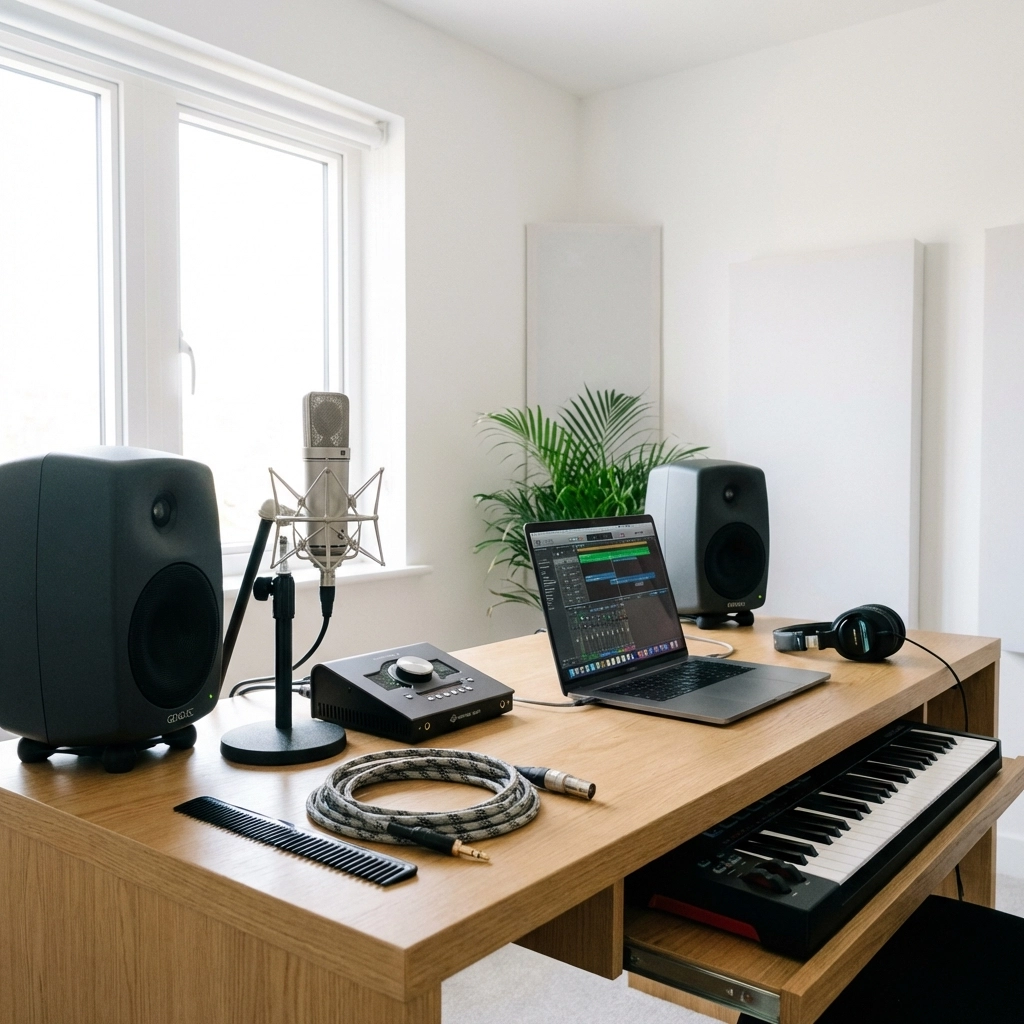
But here's the thing – whether you've converted your spare bedroom into a vocal booth or transformed your garage into a fully-fledged production suite, you've probably invested thousands of pounds into making it happen. Microphones, audio interfaces, monitors, acoustic treatment, instruments… it adds up quickly. And that's before we even talk about the soundproofing.
So what happens if disaster strikes? A burst pipe, a break-in, or even just an electrical fault could wipe out years of investment in a single afternoon. This is where proper insurance for home recording studio UK setups becomes absolutely essential.
Why Your Standard Home Insurance Won't Cut It
Let's get straight to the point – your regular homeowners insurance almost certainly isn't going to protect your studio properly. It's a common assumption that because the equipment is in your home, it's covered. Unfortunately, it's not quite that simple.
Standard home insurance is designed to protect residential buildings and typical household contents. A professional mixing desk, a vintage synthesiser collection, or a rack full of outboard gear? That's a different story entirely.
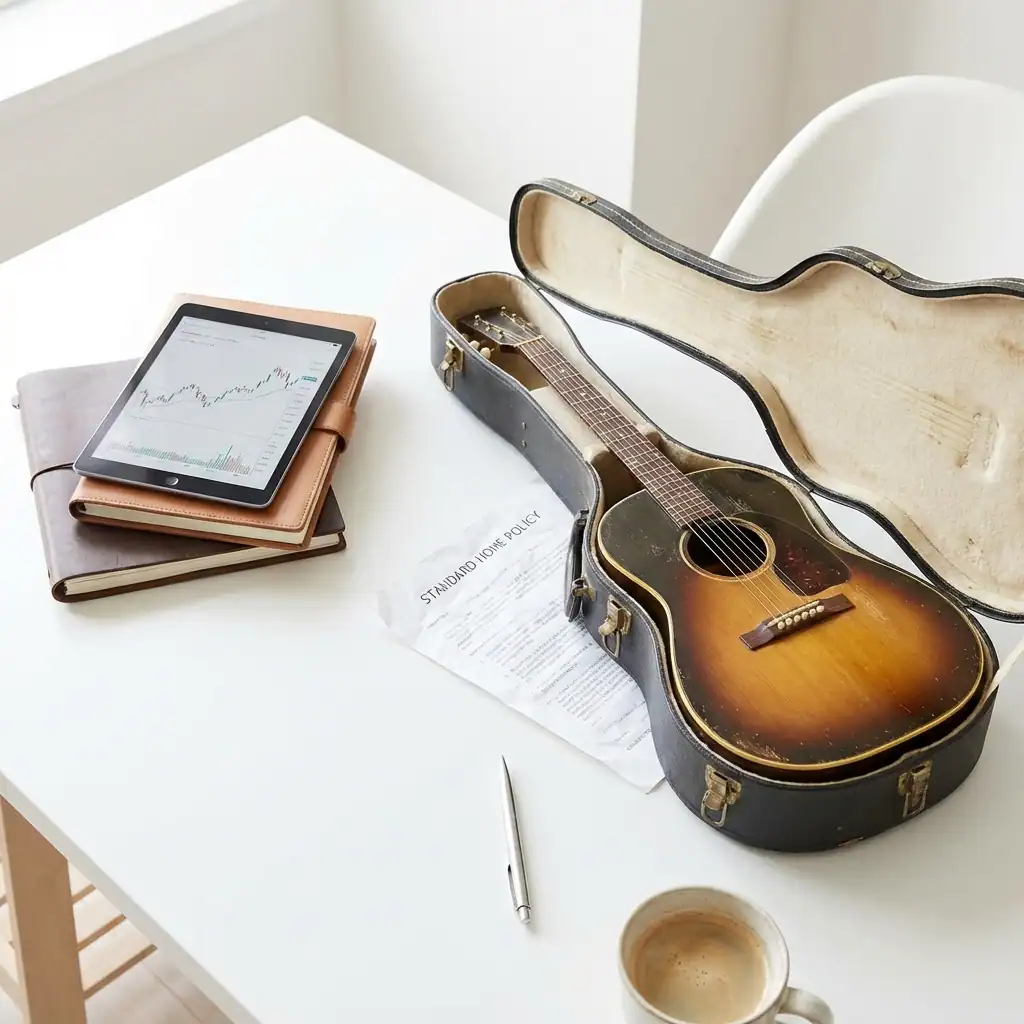
Here's where it gets tricky. Most home insurance policies cap musical instrument coverage at around £1,500. That might cover a decent acoustic guitar, but it's not going to touch your condenser microphone collection, let alone your DAW setup.
And if you've earned any money from your recording work – even just a few quid from a mate's demo – your insurer might deny claims altogether. Why? Because the equipment is being used professionally, which changes everything from an insurance perspective.
The Gear That Needs Protecting
Let's talk about what's actually at risk in your studio. It's probably more than you think.
Recording Equipment
Your audio interface, microphones, preamps, headphones, and monitors form the backbone of your operation. A decent mid-range setup could easily represent £5,000-£10,000 of investment. Professional-grade equipment? You're looking at significantly more.
Instruments
Whether it's guitars, keyboards, drums, or that beautiful vintage Rhodes you saved up for – instruments are often the most emotionally valuable items in any studio. They're also prime targets for thieves who know exactly what they're worth.
Computers and Software
Your Mac or PC, along with all those plugins and software licences, represents both a financial investment and – crucially – your ability to work. Lose your computer, and you might lose months of projects along with it.
Cables, Stands, and Accessories
It's easy to overlook the "boring" stuff, but replacing every cable, stand, pop filter, and accessory in your studio could cost several hundred pounds.
Don't Forget Your Soundproofing Investment
Here's something many musicians overlook when thinking about music studio insurance – the money you've sunk into acoustic treatment and soundproofing.
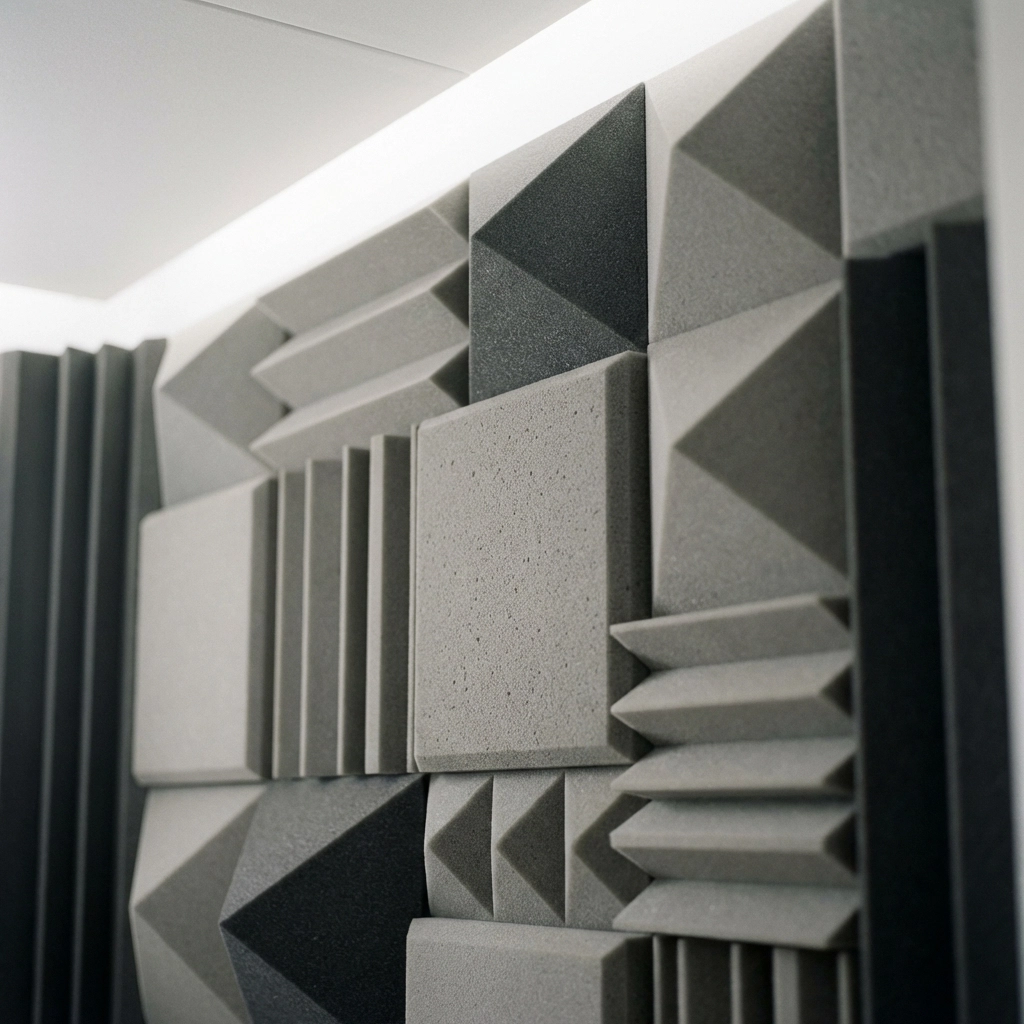
If you've properly treated your room, you've likely spent a considerable sum on:
- Acoustic panels and bass traps
- Floating floors or isolation platforms
- Secondary glazing or specialist windows
- Soundproof doors
- Structural modifications to walls and ceilings
These improvements aren't just furniture you can pick up and move. They're often integrated into the building itself. If your studio suffers fire or flood damage, rebuilding means starting from scratch – and that's expensive.
This is where something called Tenant's Improvements coverage becomes relevant. If you're renting your property, this type of cover protects the modifications you've made to the building, including all that lovely soundproofing you've installed. It's worth asking your insurer about specifically.
Business Interruption: The Coverage People Forget
Imagine this scenario: there's a fire in your home studio. Nobody's hurt, thankfully, but your equipment is destroyed. Your insurer eventually pays out for the gear – but what about the three months of work you've had to cancel while you rebuild?
That's where business interruption coverage comes in. It's designed to replace lost income when you can't operate due to an insured event. If your studio is damaged and you lose bookings, sessions, or production work, this coverage helps bridge the gap.
For home studio owners who rely on their setup for income – whether full-time or as a side hustle – this can be genuinely life-saving. Bills don't stop just because your studio's out of action.
What Does Proper Recording Studio Insurance Actually Cover?
A comprehensive music studio insurance policy should include several key elements:
Liability Coverage
This is arguably the most important component. If a client trips over a cable in your studio and injures themselves, or if your equipment causes damage to someone else's property, liability coverage handles the legal costs and any payouts. Even if a claim is dismissed, legal defence costs can be substantial.
Property Insurance
This covers your equipment against theft, vandalism, fire, and weather damage. Make sure your policy offers replacement cost value rather than just current market value – you want to be able to buy new gear, not receive a payout based on what your five-year-old interface is worth today.
Off-Premises Coverage
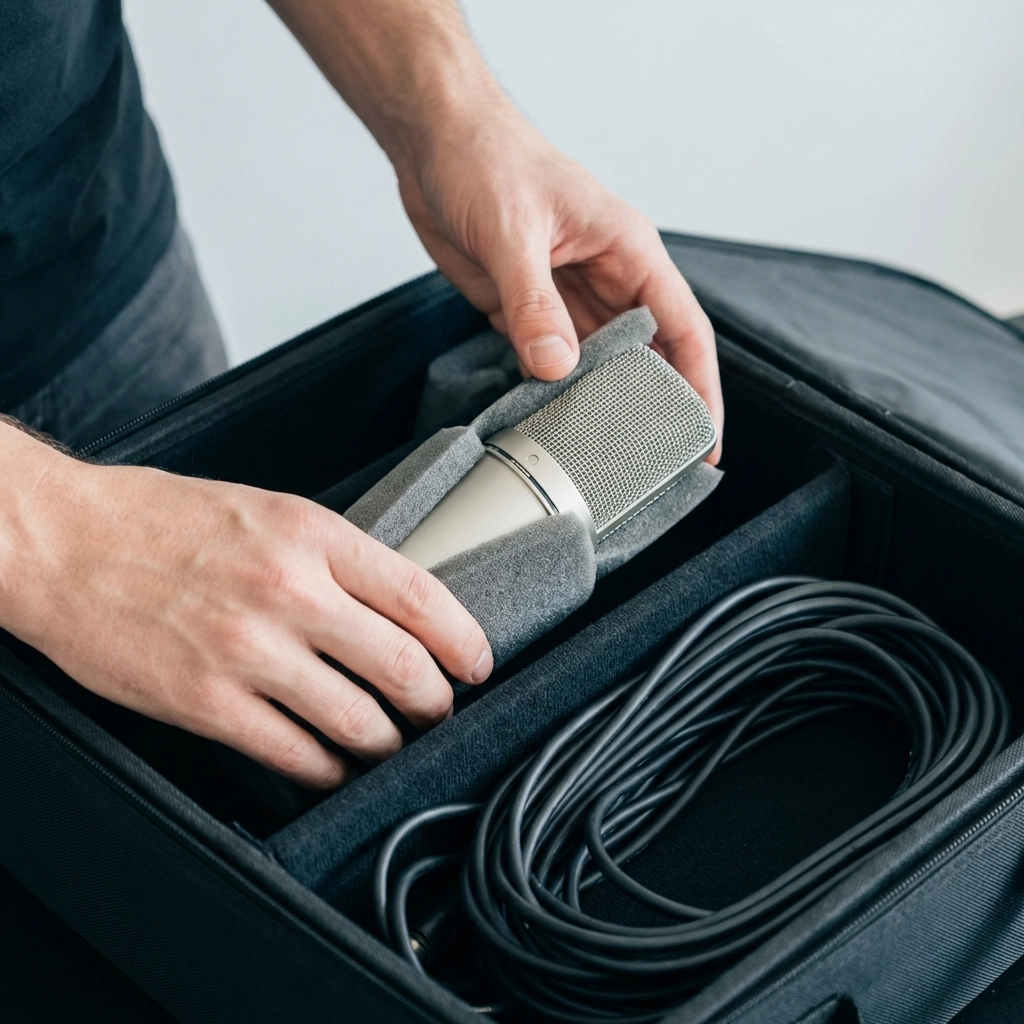
Do you ever take your gear to other locations? Recording a band in their rehearsal space, perhaps, or taking a laptop rig to a client's home? Off-premises coverage protects your equipment while it's in transit or being used away from your studio – typically for up to 90 days.
Data and Media Coverage
Losing your equipment is bad enough. Losing irreplaceable recordings and project files is worse. Some policies include coverage for data recovery or the cost of recreating lost work.
How Much Does This Actually Cost?
Good news – specialist recording studio insurance is often more affordable than you might expect. Basic policies typically start at around £400-£500 per year, depending on several factors:
- The size of your studio setup
- Your location
- How much you earn from studio work annually
- How long you've been operating
- The total value of equipment you need to cover
Interestingly, dedicated studio insurance can sometimes work out cheaper than adding professional equipment coverage to your existing home policy. It's definitely worth getting quotes from specialist providers rather than assuming your current insurer offers the best deal.
Practical Steps to Get Properly Covered
Ready to sort your studio insurance? Here's what you should do:
Create a detailed inventory
List everything in your studio with model numbers, serial numbers, and current replacement values. Take photos and store them somewhere safe – ideally in the cloud. Most insurers require you to itemise instruments and equipment valued over £5,000.
Get it in writing
When speaking to insurers, ask them to confirm in writing exactly what's covered and what isn't. Pay particular attention to whether professional use is included – this is where many claims get rejected.
Review your coverage annually
Studios evolve. That new synth you bought last month? It needs adding to your policy. That old interface you sold? No point paying to insure it. Keep your coverage current.
Check for exclusions
Most policies exclude certain natural disasters like floods and earthquakes. If you're in an area prone to flooding, you might need additional coverage. Our guide on whether flooding can impact your insurance covers this in more detail.

Consider employers liability
If anyone helps out in your studio – even unpaid assistants or interns – you may legally need employers liability coverage. It's worth checking.
Your Studio Deserves Proper Protection
You've put time, money, and passion into building your home recording studio. It's where creativity happens, where music comes to life, and – for many – where livelihoods are earned.
Don't let a single unfortunate event undo all that work. Proper insurance for home recording studio setups isn't just a sensible precaution – it's an essential part of running a professional operation.
If you're unsure where to start or want advice on what to itemise in your home for insurance purposes, we're always happy to help. Get in touch with the team at T&R Direct and let's make sure your studio is properly protected.


About The Author: Penny
More posts by Penny