
There's something deeply satisfying about owning a second home. Perhaps it's a charming cottage in the Cotswolds, a sleek apartment overlooking the Bristol Channel, or a converted barn somewhere in the Yorkshire Dales. It's your escape. Your retreat. The place you dream about during dreary Monday mornings.
But here's the thing – while you're busy dreaming about long weekends and summer escapes, your insurance policy might be quietly letting you down. And the consequences could be rather more expensive than you'd expect.
If you're an empty nester who's invested in a second property, or you've recently inherited a holiday home, there's a good chance your cover isn't quite up to scratch. Let's talk about why – and more importantly, what you can do about it.
The "Unoccupied" Problem
First things first – do you know how your insurer defines an "unoccupied" property? It's worth finding out, because the answer might surprise you.
Most standard home insurance policies consider a property unoccupied if it's been empty for 30 to 60 consecutive days. Some are even stricter. And here's where it gets tricky – if your second home sits empty while you're back at your main residence, and something goes wrong, you could find yourself in a bit of a pickle.
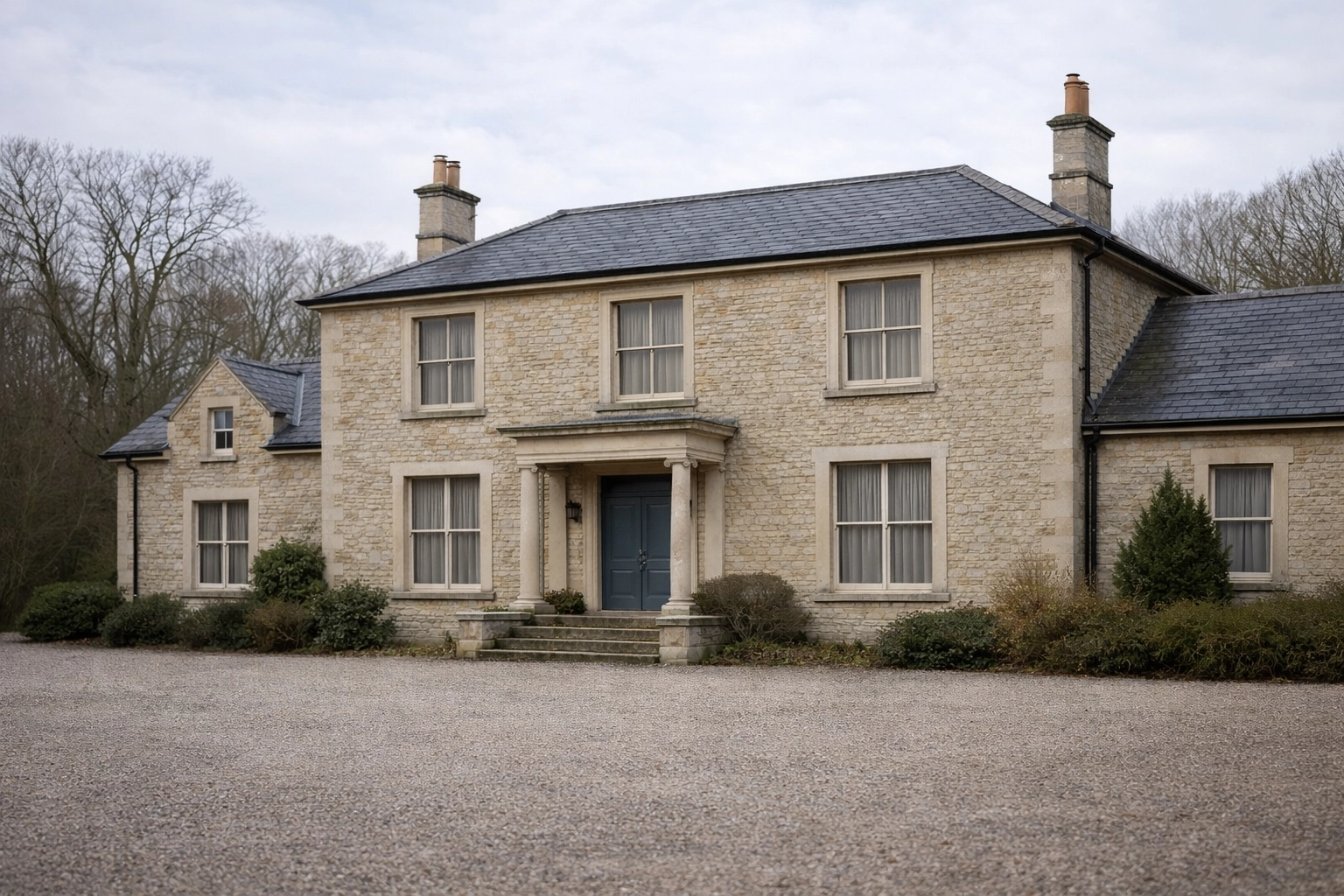
The issue isn't just about burglary (though that's certainly a concern). Unoccupied properties are vulnerable to all sorts of problems that can escalate quickly without anyone there to notice. A slow leak under the kitchen sink becomes a flooded ground floor. A small electrical fault becomes a fire. Frozen pipes in January become a rather spectacular insurance claim in February.
And if your insurer wasn't aware the property was sitting empty? They might reduce your payout significantly – or decline the claim altogether.
When Replacement Costs Outpace Your Cover
Here's a scenario that plays out more often than you might think. You bought your second home ten years ago, insured it for what felt like a sensible amount, and haven't really thought about it since. The direct debit goes out, the renewal letter gets filed away, and life carries on.
But in those ten years, building costs have risen dramatically. Inflation, supply chain disruptions, and increased labour costs mean that what would have cost £300,000 to rebuild a decade ago might now set you back £450,000 or more. Yet your policy still reflects that original figure.
This is what insurance professionals call being "underinsured" – and it's remarkably common among second home owners. According to recent industry analysis, replacement costs have been rising exponentially, yet many homeowners don't regularly update their coverage limits to reflect these increases.
The result? If the worst happens and you need to make a substantial claim, you might find yourself covering a significant shortfall out of your own pocket.
Is Your Liability Cover Actually Enough?
Let's shift focus for a moment from the property itself to the people who might visit it. Whether it's a cleaner popping in weekly, a gardener maintaining the grounds, or friends borrowing it for the weekend, your second home sees visitors – and that means liability exposure.
Insurance defence specialists generally recommend that homeowners maintain at least £1 million in liability coverage. The good news? An umbrella policy that tops up your existing cover typically costs only £150 to £250 per year. That's a relatively small price for significant peace of mind.
If you're letting your second home out – even occasionally, even just to friends – liability becomes even more important. A guest tripping on an uneven step or slipping in a wet bathroom could result in a claim that far exceeds your current cover.
The Contents Conundrum
Your second home is furnished, presumably. Perhaps not with the same care and expense as your main residence, but there's still value there. Sofas, beds, kitchen equipment, perhaps some artwork or antiques that you couldn't quite fit into your primary home.
Here's something worth checking – does your policy provide replacement-cost coverage for contents, or actual cash value?
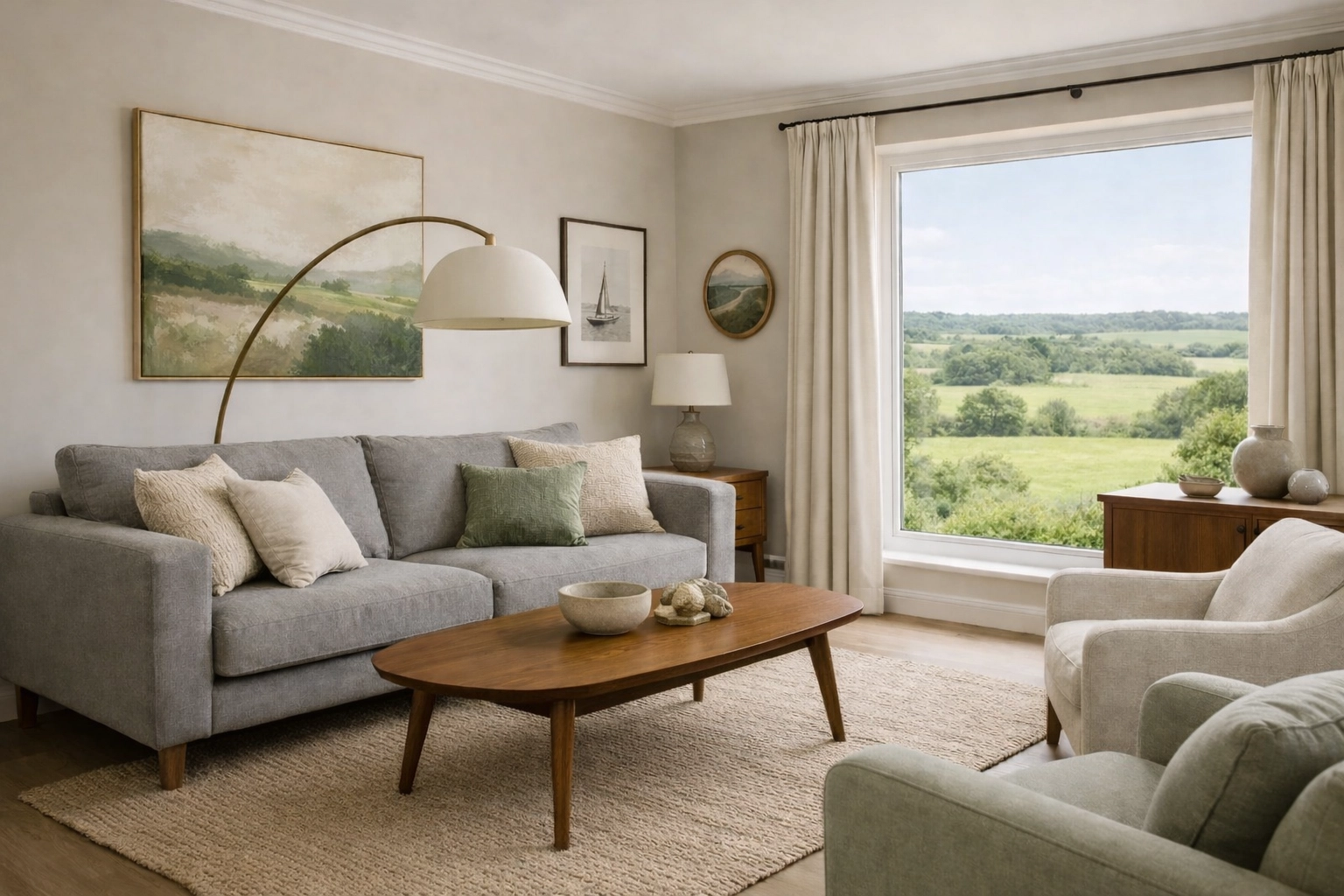
The difference matters. Replacement cost means your insurer pays what it would cost to buy a new equivalent item today. Actual cash value means they pay the depreciated value – what your ten-year-old sofa is theoretically worth now, not what it would cost to replace it.
If your second home is well-furnished, that gap between depreciated value and replacement cost could be substantial. A leather sofa that cost £3,000 might have an "actual cash value" of just a few hundred pounds after a decade of use. But you'd still need to find £3,000 (or more, given inflation) to replace it.
What Should You Actually Do?
Right then. Enough doom and gloom. Let's talk solutions.
Review your declarations page. This is the summary at the front of your policy that shows your coverage limits. When did you last actually look at it? If your rebuild value hasn't been updated in more than a couple of years, it's probably time for a reassessment.
Get a proper valuation. For high-value properties, it's worth commissioning a professional rebuild cost assessment. It costs a bit upfront, but it ensures you're neither underinsured (risky) nor overinsured (unnecessarily expensive).
Clarify your occupancy status. Be honest with your insurer about how often the property sits empty. Yes, specialist unoccupied property cover might cost more than standard home insurance. But it's considerably cheaper than having a claim declined.
Consider an umbrella policy. If your current liability cover is below £1 million, an umbrella policy is a cost-effective way to bridge the gap. It typically covers both your main residence and any additional properties.
Check your contents coverage type. Make sure you understand whether you're covered for replacement cost or actual cash value – and adjust accordingly.
Read the small print on deductibles. Specifically, look for any vacancy-related excesses or deductibles that might apply. Better to know now than to discover them when you're filing a claim.
If you're unsure where to start, it's worth looking at unoccupied property protection – it covers some of the key things to check when your home isn’t lived in all the time. And if you're after a broader chat about cover levels and valuables, bespoke high-value home insurance is a good place to start.
The Bottom Line
Owning a second home is a genuine privilege. But it comes with responsibilities – and one of those responsibilities is making sure your insurance actually does what you think it does.
The "empty nest trap" catches out more people than you'd expect. Properties that sit empty for weeks or months at a time, valuations that haven't kept pace with building costs, liability cover that's inadequate for modern claim values – these are all gaps that could cost you tens of thousands of pounds.
The good news is that specialist cover exists for exactly these situations. It doesn't have to be complicated or prohibitively expensive. It just requires a bit of attention – and perhaps a conversation with a broker who understands the particular needs of high-value and secondary properties.
Your second home should be a source of joy, not a financial worry. Make sure it's properly protected, and you can get back to dreaming about those long weekends.




About The Author: Penny
More posts by Penny