
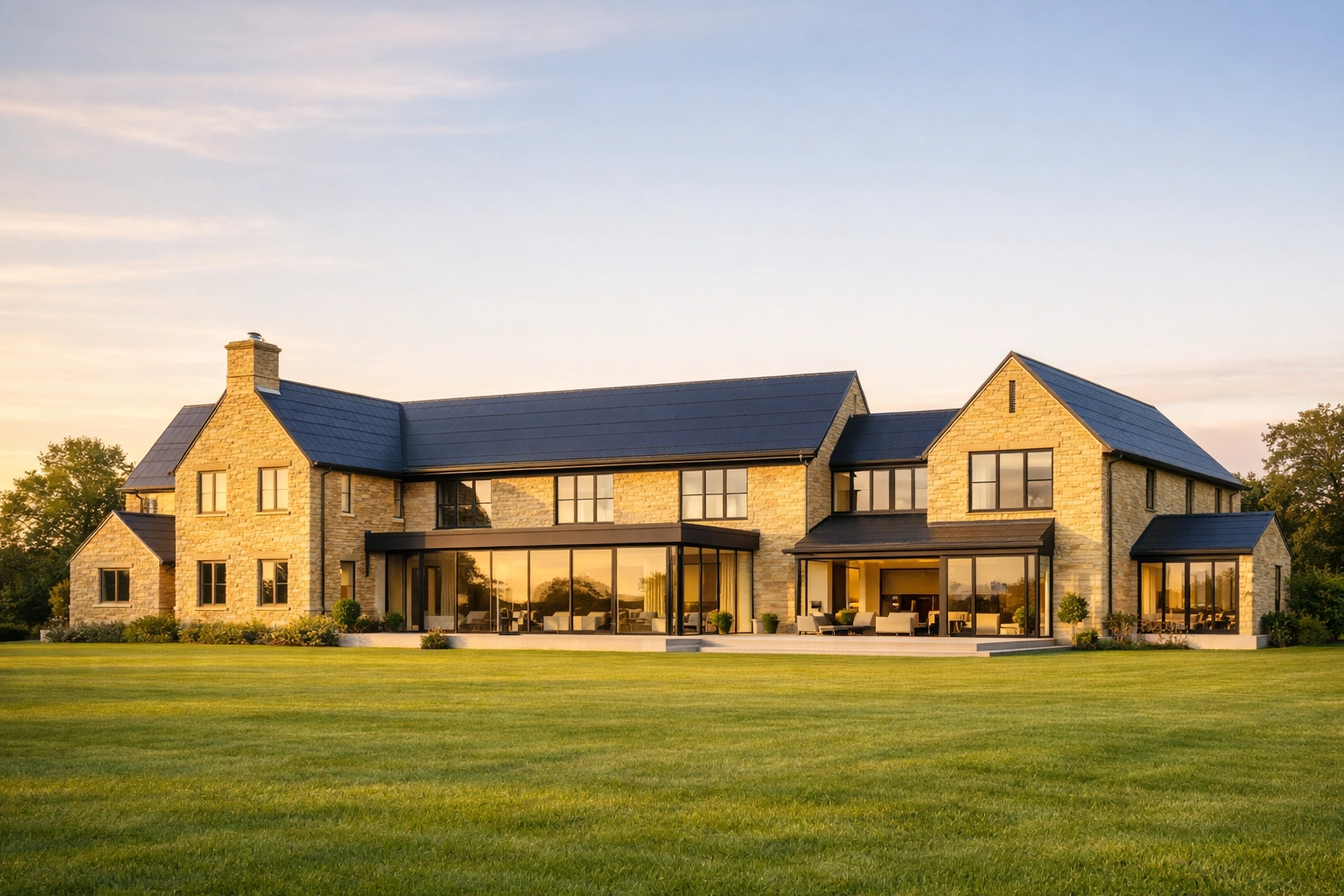
The image of the classic British country estate is changing. Gone are the days when "high-end" simply meant original cornicing, draughty sash windows, and a temperamental oil-fired boiler hidden in the cellar. Today, the UK’s most prestigious homes are undergoing a quiet revolution. From Cotswold stone manors to London townhouses, high-net-worth (HNW) homeowners are increasingly looking toward a sustainable future.
It’s a move driven by a mix of environmental conscience, a desire for energy independence, and the simple fact that modern green technology has finally caught up with the aesthetic demands of luxury architecture. But as you swap out traditional materials for cutting-edge sustainable alternatives, there is a hidden factor that many homeowners overlook until it’s too late: the "Green Premium."
While these upgrades are excellent for the planet and your utility bills, they fundamentally change the risk profile and the rebuild cost of your property. If your insurance hasn’t kept pace with your renovations, you might find that your high value home insurance is no longer fit for purpose.
Understanding the Green Premium
In the world of sustainable development, the "Green Premium" refers to the additional cost of choosing a clean technology over one that emits more greenhouse gases. When applied to your home, it’s the difference between the cost of a standard slate roof and the cost of a bespoke solar slate system that mimics the look of heritage materials.
For a HNW homeowner, these premiums can be substantial. You aren’t just installing off-the-shelf solar panels; you are likely investing in integrated solar tiles, air-source heat pumps disguised by bespoke cabinetry, or sophisticated greywater recycling systems. These are significant capital investments that require specialised protection.
The Rebuild Cost Trap
The most significant risk during a sustainable retrofit is the gap between your home’s market value and its "rebuild cost." Most people understand that high net worth home insurance is calculated based on what it would cost to build the house from scratch, including professional fees and the removal of debris, rather than what you could sell it for on the open market.
When you add sustainable tech, that rebuild figure spikes. It isn't just the price of the hardware; it's the cost of the specialised labour required to install or repair it. If a fire or flood occurs, a standard contractor might not have the expertise to restore a complex geothermal heating system or integrate new solar slates into an existing 18th-century roofline.
If your insurance limit is based on "standard" luxury finishes, but you’ve upgraded to "green" luxury finishes, you are likely under-insured. This leads to the "Average Clause": a dreaded term in the insurance world where, if you are found to be under-insured by 20%, the insurer may only pay out 80% of any claim, even a small one. It’s vital to don’t wait for a disaster before checking if your limits are still accurate.
Why Specialist Materials Matter
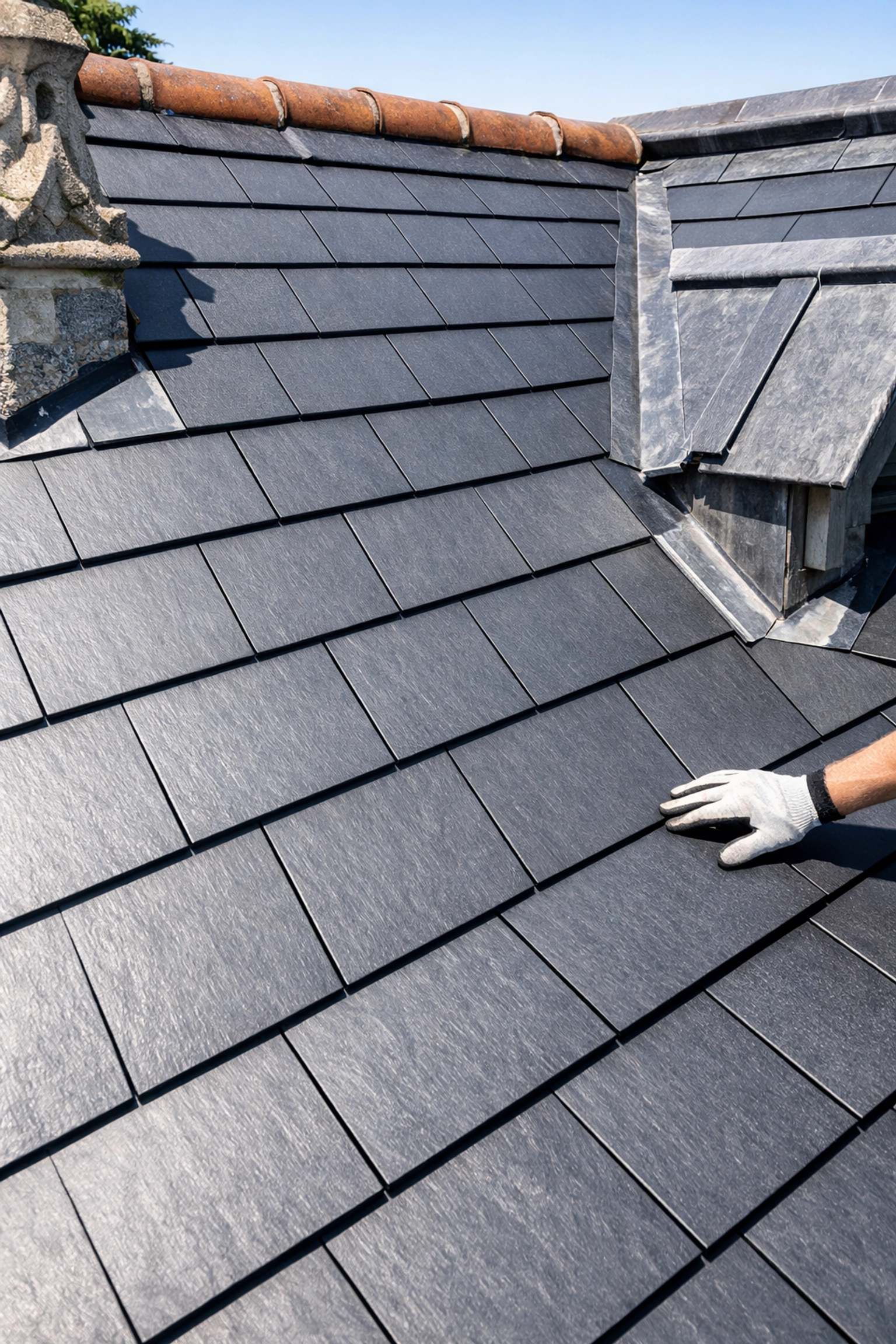
Consider the roof. For many historic estates in the UK, maintaining the aesthetic integrity of the building is a legal requirement, especially if it's Grade I or Grade II listed. Traditional solar panels are often a non-starter for planning departments. The solution? Solar slates. These tiles look exactly like traditional Welsh slate or stone but contain photovoltaic cells.
While they look stunning, they are significantly more expensive to source and require specialist roofing contractors to install. If a storm damages a section of your roof, your insurance needs to cover the replacement of these specific, high-cost materials, not just a "functional equivalent."
This is where the right cover makes the difference. A bespoke HNW policy understands that "like-for-like" replacement in a sustainable home means sourcing the exact tech and materials used in the initial retrofit, regardless of the price fluctuations in the green energy market.
The Complexity of Modern Heating
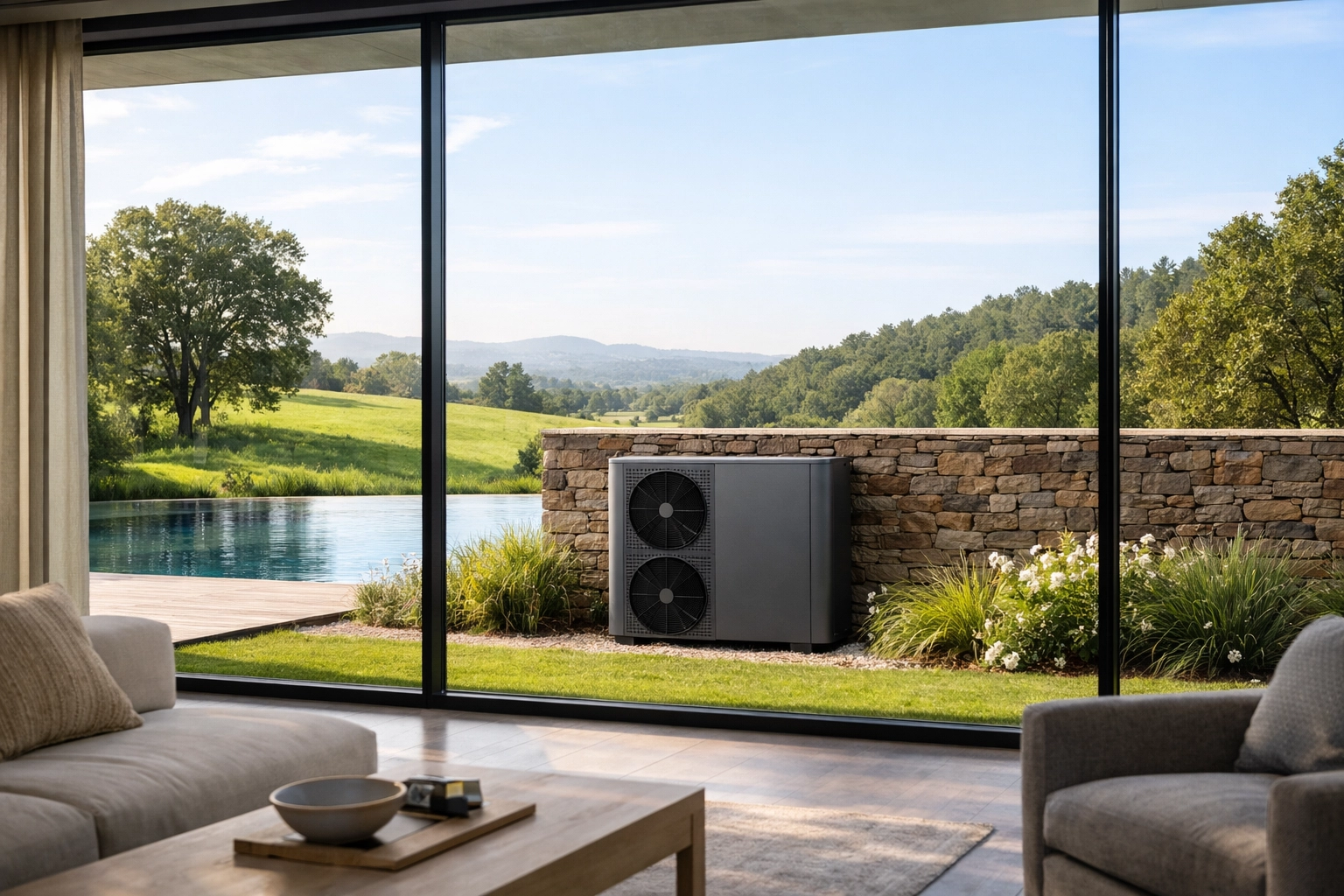
Air-source and ground-source heat pumps are becoming the standard for HNW renovations. However, these systems are far more complex than a standard gas boiler. They often involve extensive underground pipework or sophisticated external units that must be integrated into the property's landscaping.
From an insurance perspective, these systems introduce new variables. There is the risk of "escape of water" from internal heat distribution systems, or damage to the external units from falling trees or accidental impact. Furthermore, if your heating system fails in the middle of winter, you need an insurer that can provide a specialist engineer, not just a general plumber.
You might be surprised to learn that some standard policies have exclusions regarding "innovative" or "non-standard" heating systems. It’s always worth checking the small print to ensure your green tech isn't excluded under a technicality.
Smart Security and Green Tech
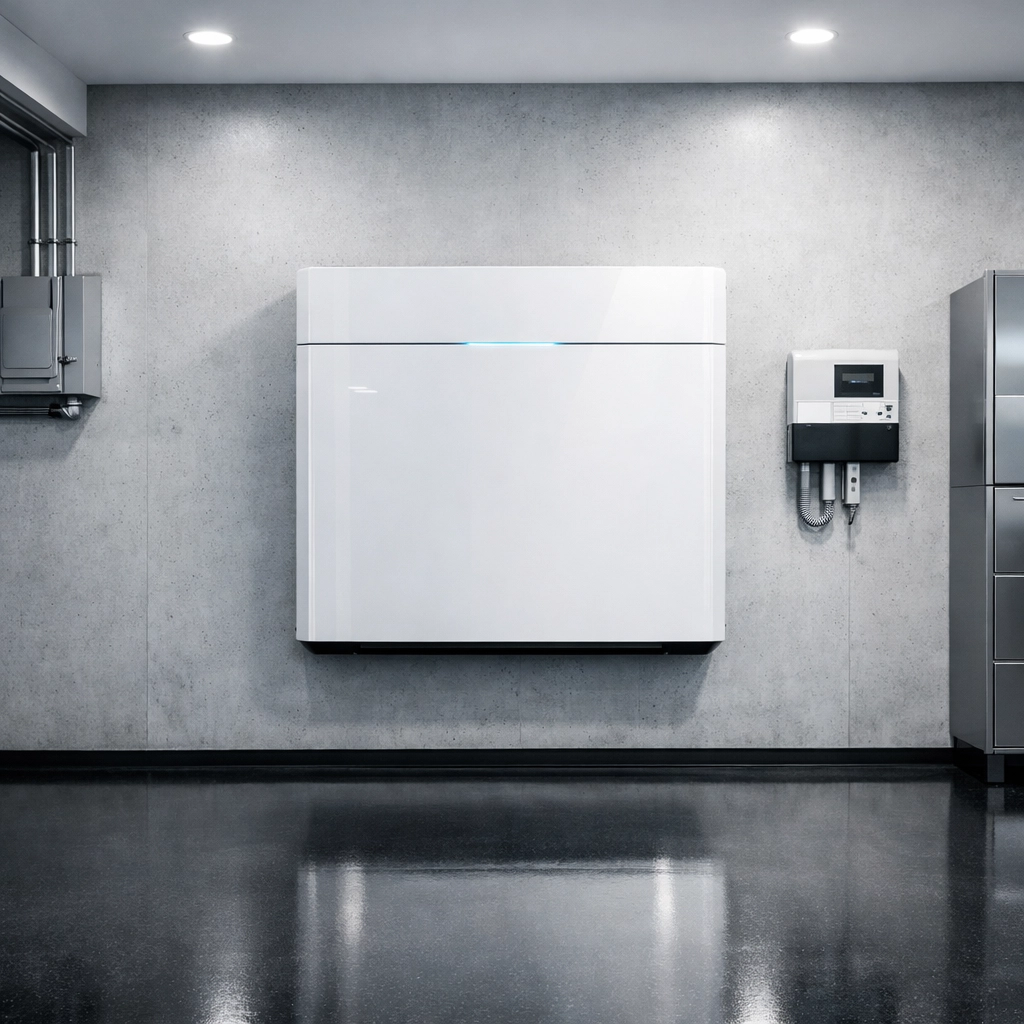
Sustainable homes are often "smart" homes. Tesla Powerwalls and other battery storage systems are becoming common sights in high-end garages. These batteries store energy from your solar panels, allowing you to run your home off-grid during peak times.
While these are brilliant for efficiency, they are high-value items that are attractive to thieves and sensitive to electrical surges. They also require specific fire safety considerations. When you update your home with this level of technology, you are essentially turning your house into a mini power station. Your high value home insurance needs to reflect this change in the "contents" and "buildings" categories.
Ensuring your home remains safe as houses means disclosing these installations to your broker so they can be factored into your total sum insured.
Can Green Tech Lower Your Premiums?
It isn't all about rising costs. There is a silver lining for the eco-conscious homeowner. As the insurance industry adjusts to the realities of the 21st century, some providers are beginning to recognise that sustainable homes can actually be lower-risk in certain areas.
For example, a home that has been thoroughly retrofitted often has updated wiring, more efficient plumbing, and superior insulation: all of which can reduce the likelihood of "maintenance-related" claims like burst pipes or electrical fires. Some insurers even offer "certification-based" discounts for homes that meet high Energy Star or LEED ratings.
However, to access the right price, you need to present a clear picture of the work that has been done. A professional valuation that highlights the quality of the sustainable upgrades can sometimes help your broker negotiate more favourable terms, as it demonstrates a high level of care and investment in the property’s longevity.
The Impact of Climate Change
It’s also worth considering the broader context. We are seeing a shift in how climate change affects the UK property market. From increased flood risks to more frequent storms, our homes are under more pressure than ever. Sustainable retrofitting is often part of a "resilience" strategy: making the home better equipped to handle extreme weather.
Whether it’s installing more robust drainage or ensuring your home can operate during a power cut, these upgrades are a proactive step. We’ve discussed previously how can climate change effect house insurance, and staying ahead of the curve with green tech is one of the best ways to protect your asset for the next generation.
A Checklist for the Sustainable Homeowner
If you have recently completed a green retrofit or are planning one for your estate, here are a few practical steps to ensure your insurance keeps up:
- Get a Professional Appraisal: Don't guess the value of your new solar roof or geothermal system. Use a valuer who understands the HNW market and the specific costs of sustainable technology.
- Disclose Everything: From the EV charging points in the driveway to the battery storage in the basement, make sure every piece of tech is listed on your policy.
- Review Your "Loss of Use" Cover: If a major incident happens and your bespoke green home is uninhabitable, it may take longer to repair than a standard house due to the specialised labour required. Ensure your policy covers alternative accommodation for an extended period.
- Check for Specialist Endorsements: Some HNW policies offer specific "Green Upgrades" endorsements, which will pay for you to replace damaged non-green items with sustainable alternatives in the event of a claim.
- Keep Records: Maintain a file of all warranties, installation certificates (like MCS for solar), and invoices for the work carried out.
Final Thoughts
Retrofitting a historic UK home for a sustainable future is an admirable and necessary task. It preserves our heritage while embracing the technology of tomorrow. But as you invest in the "Green Premium," don't leave your protection to chance.
At T&R Direct Insurance Services, we specialise in navigating the complexities of high net worth home insurance. We understand that your home is more than just a building: it's an investment, a sanctuary, and now, a statement of environmental responsibility.
Make sure your insurance is as forward-thinking as your home. If you’ve recently upgraded your property, it’s the perfect time for a review. After all, the best way to enjoy a sustainable home is with the peace of mind that it’s fully protected, no matter what the future holds.





About The Author: Penny
More posts by Penny