
If you picture a high-stakes heist at a creative studio, your mind probably jumps straight to a group of people hauling away massive 4K film cameras, heavy lighting rigs, or perhaps a rack of high-end servers. It’s the Hollywood version of theft – bulky, loud, and physically demanding. But lately, the reality on the ground here in the UK has shifted.
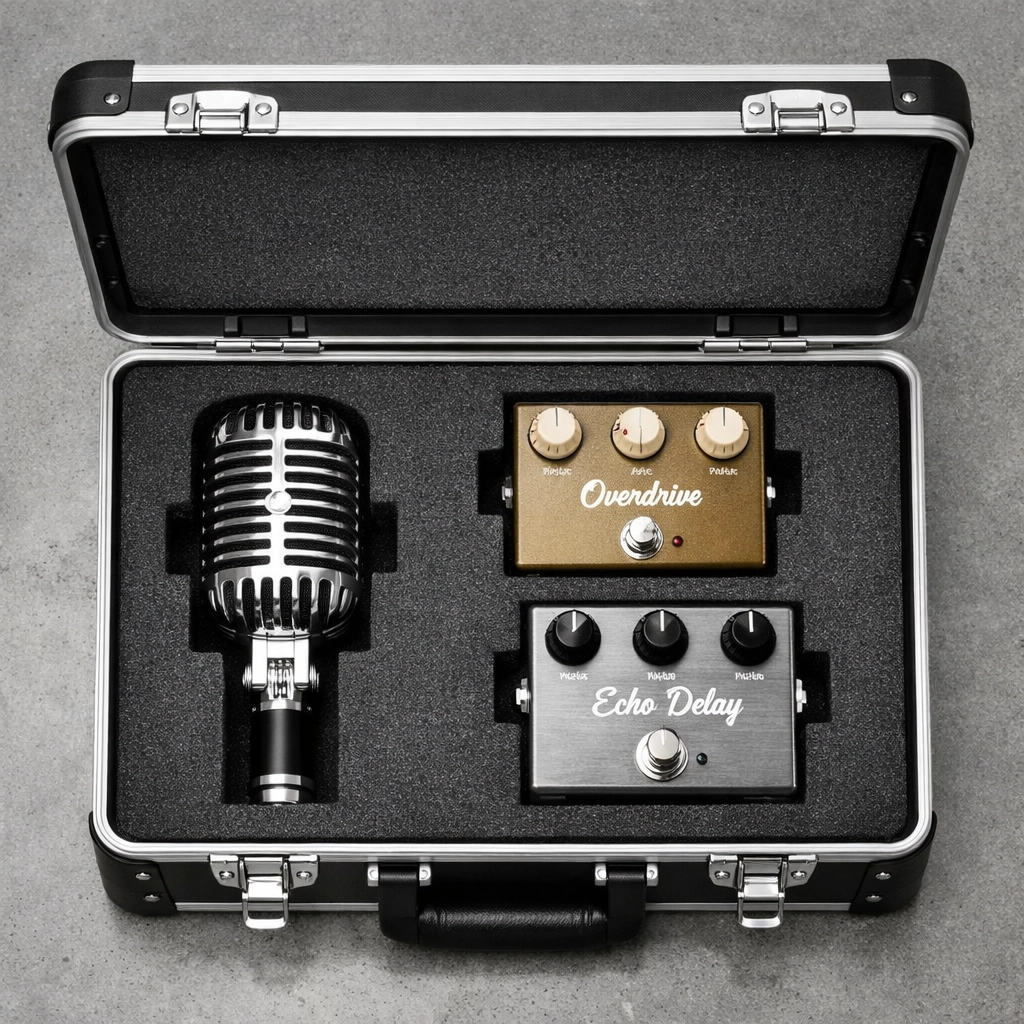
Criminals are getting smarter, and they’ve realised that there’s a much more efficient way to make a quick profit. They are swapping the bulky film gear for "boutique" music equipment. We’re talking about high-end microphones that can fit in a coat pocket but carry a price tag of £10,000, or vintage guitar pedals that are worth more than a decent second-hand car.
For anyone running a space that requires music studio insurance, this shift in criminal tactics is more than just an interesting trend; it’s a serious threat to your livelihood. If you haven't looked at your equipment inventory or your security protocols lately, you might be surprised by just how vulnerable your "portable" assets really are.
The Allure of the Boutique Microphone
It’s easy to see why a thief would prefer a vintage Neumann U47 over a commercial-grade cinema camera. The camera is easy to track, difficult to hide, and has a rapidly depreciating value as newer models come out. A high-end microphone, however, is a different beast altogether.

These items are small, incredibly valuable, and – most importantly – they hold their value. In fact, many boutique microphones and rare pedals actually appreciate over time. A criminal can walk into a studio, slip a £5,000 mic into a bag, and walk out without anyone noticing a thing.
According to recent industry insights, some rare models can even fetch upwards of £30,000 on the resale market. To the untrained eye, a vintage mic might look like a bit of old metal, but to an organised criminal network, it’s a high-density asset that’s incredibly easy to move through online marketplaces or the dark web. It seems the "pocket-sized" nature of this gear is exactly what’s driving the spike in claims across the UK.
The Sophisticated Sting: Beyond the Smash-and-Grab
You might think that as long as your doors are locked and your alarm is set, your gear is safe. But the modern criminal isn't always looking for a window to smash. We are seeing an increase in "social engineering" and sophisticated fraud, particularly targeting rental firms and private studios.
It works like this: a "client" books a session or hires a specific piece of boutique gear. They might have a polished website, a convincing social media presence, and all the right jargon. They might even pose as members of a well-known band's crew. Once they have the gear – or access to the studio – they simply vanish.
This kind of "theft by deception" is a nightmare for standard insurance policies. If you’ve handed over the keys or the equipment voluntarily (even if you were tricked), some insurers might argue that a standard "theft" clause doesn't apply because there was no forcible entry. This is where having specialist recording studio insurance becomes vital. It’s designed to understand the specific ways the music industry operates, including the risks of equipment hire and transitory freelance crews.
Why "Portable" Doesn't Always Mean "Protected"
There’s a common misconception that if an item is covered under your commercial property insurance, it’s covered everywhere. But in the world of music, your gear is rarely stationary. You might take those boutique mics to a different session, or perhaps a producer takes a rare pedal home to work on a mix.
Standard policies often have very strict "premises only" clauses. This means the moment your gear leaves the four walls of your studio, your coverage could vanish.
Furthermore, many general business policies have a "single item limit." If your limit is £2,500 but that rare ribbon mic you just bought cost £6,000, you’re looking at a massive out-of-pocket expense if the worst happens. It’s worth checking your policy wording to ensure you have "All-Risks" cover that includes transit and "away from premises" protection. If you're unsure where to start, you can browse our insurance options to see how specialist cover differs from the basics.
The Valuation Headache
One of the biggest hurdles in the event of a claim is proving what your boutique gear was actually worth. Unlike a brand-new MacBook, where you can just point to a retail website, the value of vintage or boutique music equipment can fluctuate wildly.
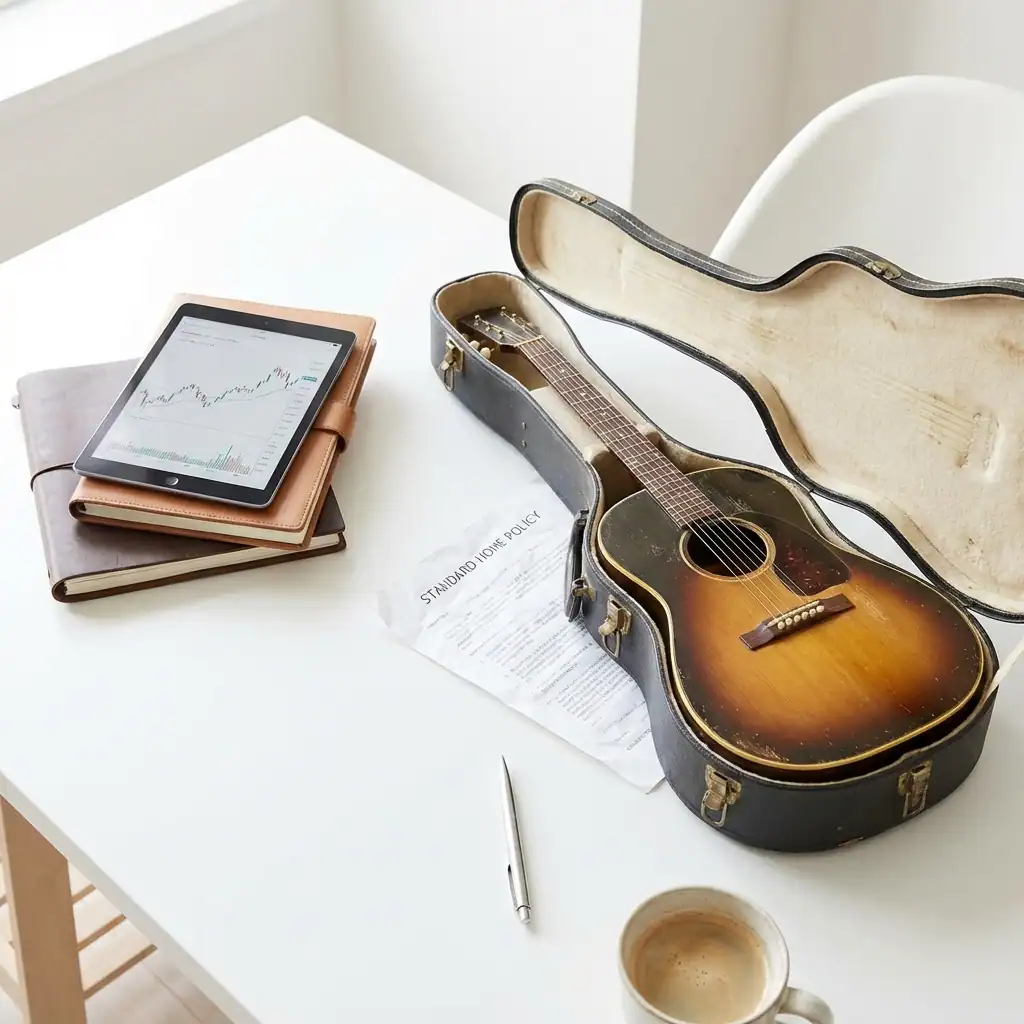
If you bought a vintage pedal for £400 five years ago and it’s now worth £1,500 due to a sudden surge in popularity, a "like-for-like" replacement on a standard policy might only give you enough to buy a modern, mass-produced version. This is why accurate valuation and detailed inventory management are non-negotiable.
To protect your studio, you should:
- Keep a digital inventory: Include serial numbers, high-resolution photos, and copies of receipts.
- Get regular valuations: For rare items, have a specialist appraise them every year or two.
- Keep "Provenance" records: Any documentation that proves the history of a vintage item can help justify its value to an insurer.
Having the right insurance music equipment cover means your insurer understands that a 1960s microphone isn't just "an old mic" – it’s a specific, high-value asset that requires a specific level of financial protection.
Hardening Your Studio Against Theft
While insurance is your safety net, preventing the theft in the first place is always the goal. It’s about making your studio a "hard target." You don't need to turn your creative space into a fortress, but a few sensible steps can make a huge difference.
1. Vetting and Access Control
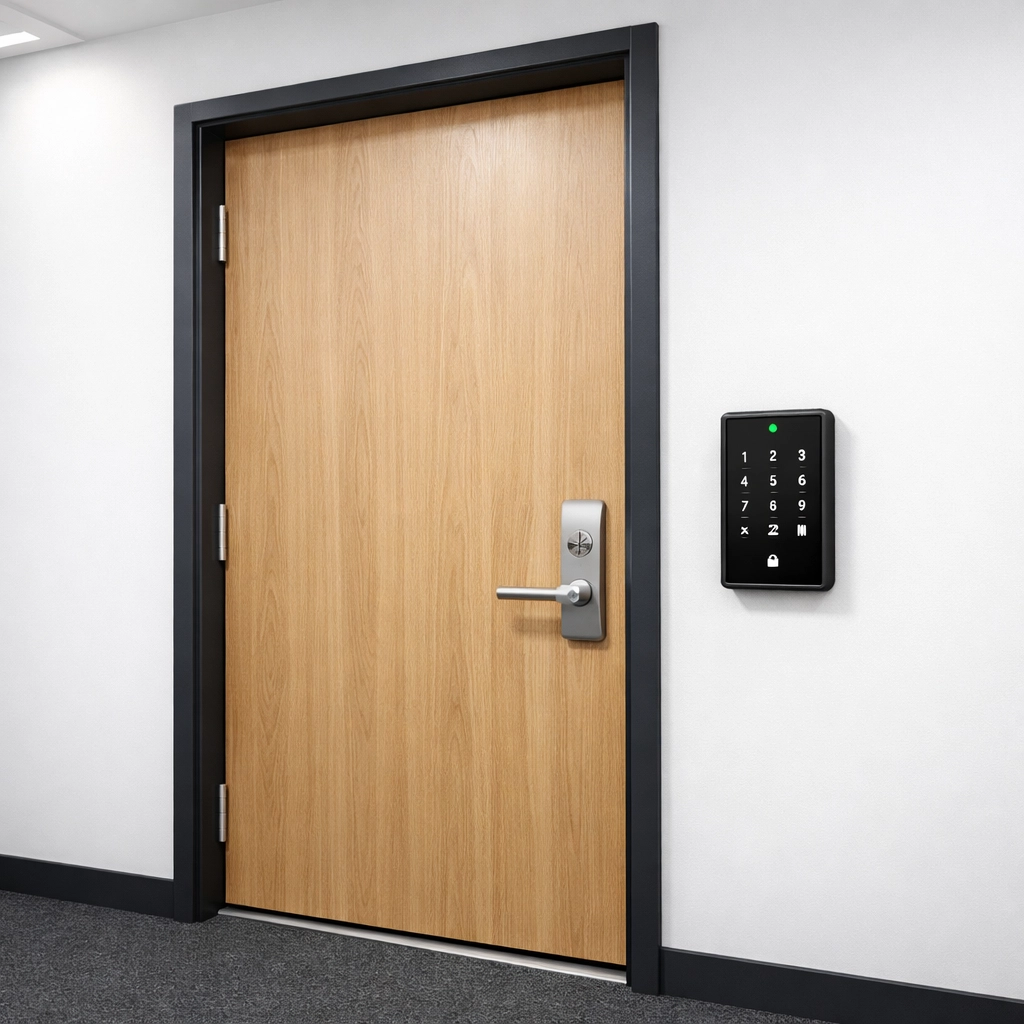
If you run a commercial space, who exactly has the keys? It’s common for freelance engineers and various band members to come and go, but this "open door" policy is exactly what criminals exploit. Consider using digital keypads with unique codes for different clients, so you can track exactly who was in the building and when.
2. The "Invisible" Security Move
You might be surprised by how effective simple "case marking" can be. UV pens or micro-dotting technology make it much harder for criminals to sell gear on the legitimate second-hand market. If a reputable shop sees a high-end mic with a permanent security mark, they are far less likely to touch it.
3. Inventory Sign-Outs
Even in a small studio, things go missing. It’s not always a professional thief; sometimes gear just "walks away" with a well-meaning but forgetful session musician. Implementing a simple sign-out sheet for portable assets like mics and pedals creates a culture of accountability.
Finding the Right Note with Your Cover
At the end of the day, your studio is more than just a room full of gear; it’s your passion and your business. The rise in targeted thefts of boutique equipment is a reminder that we need to be as creative with our security and insurance as we are with our music.
Whether you are a bedroom producer with a growing collection of rare pedals or you manage a large-scale commercial facility, making sure your music studio insurance is up to date is the best way to ensure that a single theft doesn't end your career.
It’s about more than just "having a policy." It’s about having a partner who understands the difference between a standard condenser mic and a piece of recording history. If you’re worried that your current cover might have some gaps – especially regarding portable gear – it might be time to review your arrangements. You can find more helpful advice on protecting your business in our articles section.
Don't wait for a "socially engineered" client to walk out with your best gear before you check your small print. A little bit of faff now – checking your limits and updating your inventory – can save you a massive amount of heartbreak later.
Remember, in the modern UK music scene, it’s often the smallest gear that carries the biggest risk. Keep it safe, keep it documented, and make sure it’s properly insured. For more information on how we can help you protect your creative space, feel free to visit T&R Direct Insurance Services.




About The Author: Penny
More posts by Penny