
Whether it's a 1960s Selmer saxophone that once graced a Soho jazz club or a pre-war Martin guitar passed down through generations, vintage instruments carry stories that extend far beyond their monetary worth. But here's the thing—when it comes to protecting these treasures, sentiment alone won't cut it with your insurance provider.
Getting an accurate valuation isn't just about knowing what your instrument might fetch at auction. It's about ensuring you're neither underinsured (leaving you out of pocket if the worst happens) nor overpaying for coverage you don't need. So, how do you go about putting a proper figure on something that feels priceless?
Why Accurate Valuation Matters
You might be surprised how many collectors make assumptions about their instrument's worth based on what they paid for it years ago—or worse, what a similar model sold for on a television antiques programme. The vintage instrument market is dynamic, and values can shift dramatically based on trends, rarity, and collector demand.
An instrument you purchased for £2,000 fifteen years ago could now be worth £8,000. Equally, market saturation or changing tastes might mean it's worth less than you'd hoped. Neither scenario is helpful if your insurance sum doesn't reflect reality.
If your instrument is stolen or damaged beyond repair, your insurer will pay out based on the agreed or declared value. Get this wrong, and you could find yourself unable to replace a beloved piece of your collection. It's worth getting it right from the start.
The Foundation: Make, Model, and Year
Every accurate valuation begins with the basics. You need to confirm three things: the brand (or maker), the specific model, and the year of manufacture. This might sound straightforward, but vintage instruments can be deceptively tricky to identify correctly.
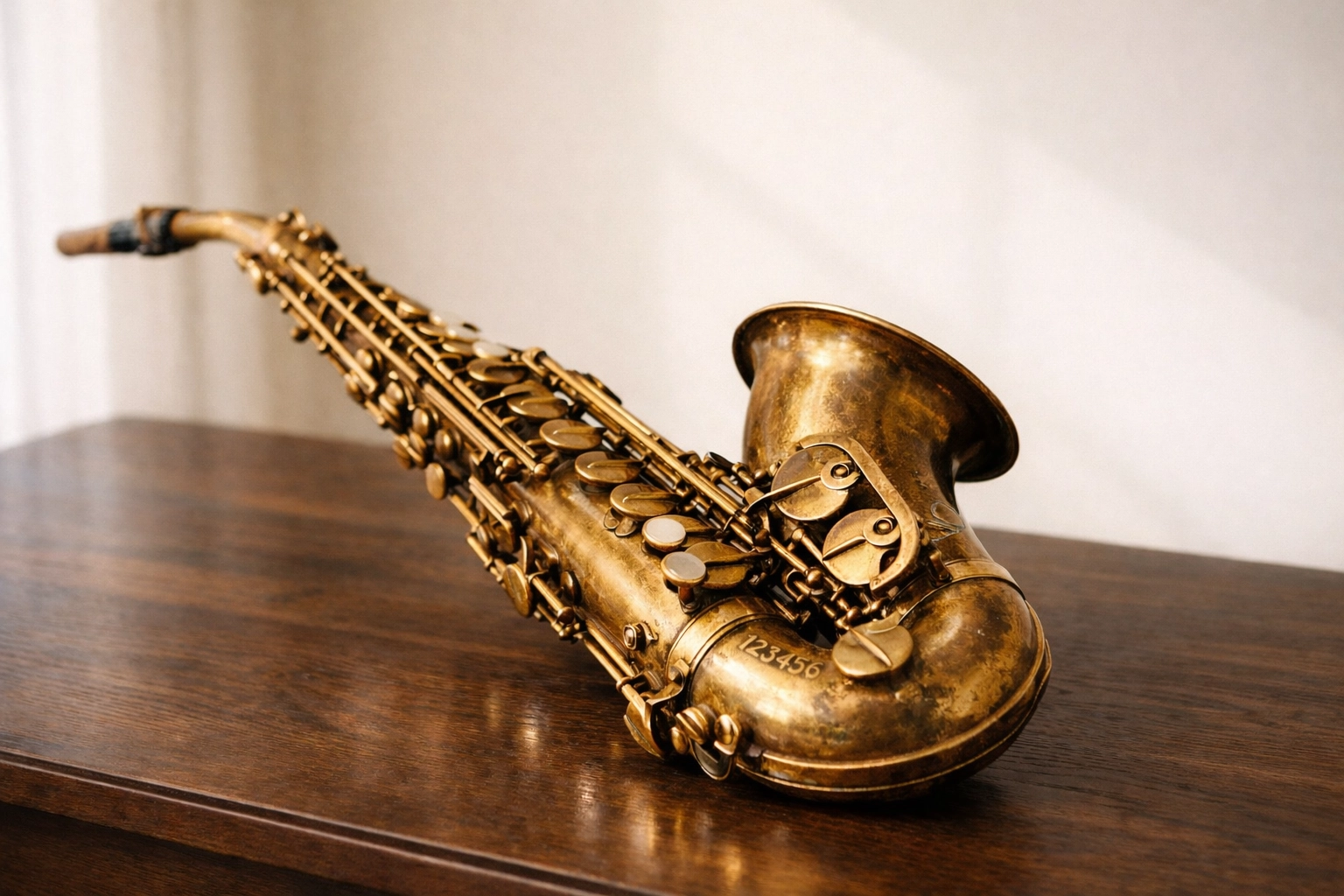
Serial Numbers Are Your Friend
Most reputable manufacturers stamped serial numbers on their instruments, and these are often your best starting point. For guitars, brands like Fender and Gibson have well-documented serial number systems that can pinpoint production to a specific year—sometimes even a specific month. Brass and woodwind instruments from makers like Conn, King, or Buffet Crampon similarly use serial numbers that correspond to manufacturing dates.
Don't Overlook Secondary Markers
Serial numbers aren't always the whole story. Date stamps on internal components, potentiometer codes on electric instruments, or even the style of lacquer used can help narrow down the production window. If you're unsure, this is precisely where a specialist appraiser earns their fee.
Why Does the Year Matter So Much?
In the vintage market, a single year can make a substantial difference. A 1958 Gibson Les Paul Standard, for instance, commands a vastly different price than a 1961 model—even though they look remarkably similar to the untrained eye. The same applies to brass instruments; a Conn 6M "Lady Face" alto saxophone from the late 1930s is considerably more sought-after than one from the 1950s.
Condition: The Make-or-Break Factor
Here's where things get interesting—and sometimes contentious. The condition of a vintage instrument can dramatically influence its value, often more than any other single factor.
Original Is Almost Always Better
Collectors place a premium on originality. An instrument with all its original parts, hardware, and finish intact will almost always be worth more than one that's been modified or repaired, even if those repairs improved its playability. A re-lacquered saxophone or a guitar with replaced tuning machines might play beautifully, but it won't fetch top prices from serious collectors.
Assessing Wear and Damage
When evaluating condition, consider:
- Structural integrity – Are there cracks, dents, or warping?
- Finish condition – How much of the original lacquer, plating, or paintwork remains?
- Mechanical function – Do all keys, valves, or frets work correctly?
- Originality of parts – Have any components been replaced over the years?
Instruments described as "mint condition" should appear and function as if they've barely been played. These command the highest values but are genuinely rare for pieces that are sixty, seventy, or even a hundred years old.
The Colour Question
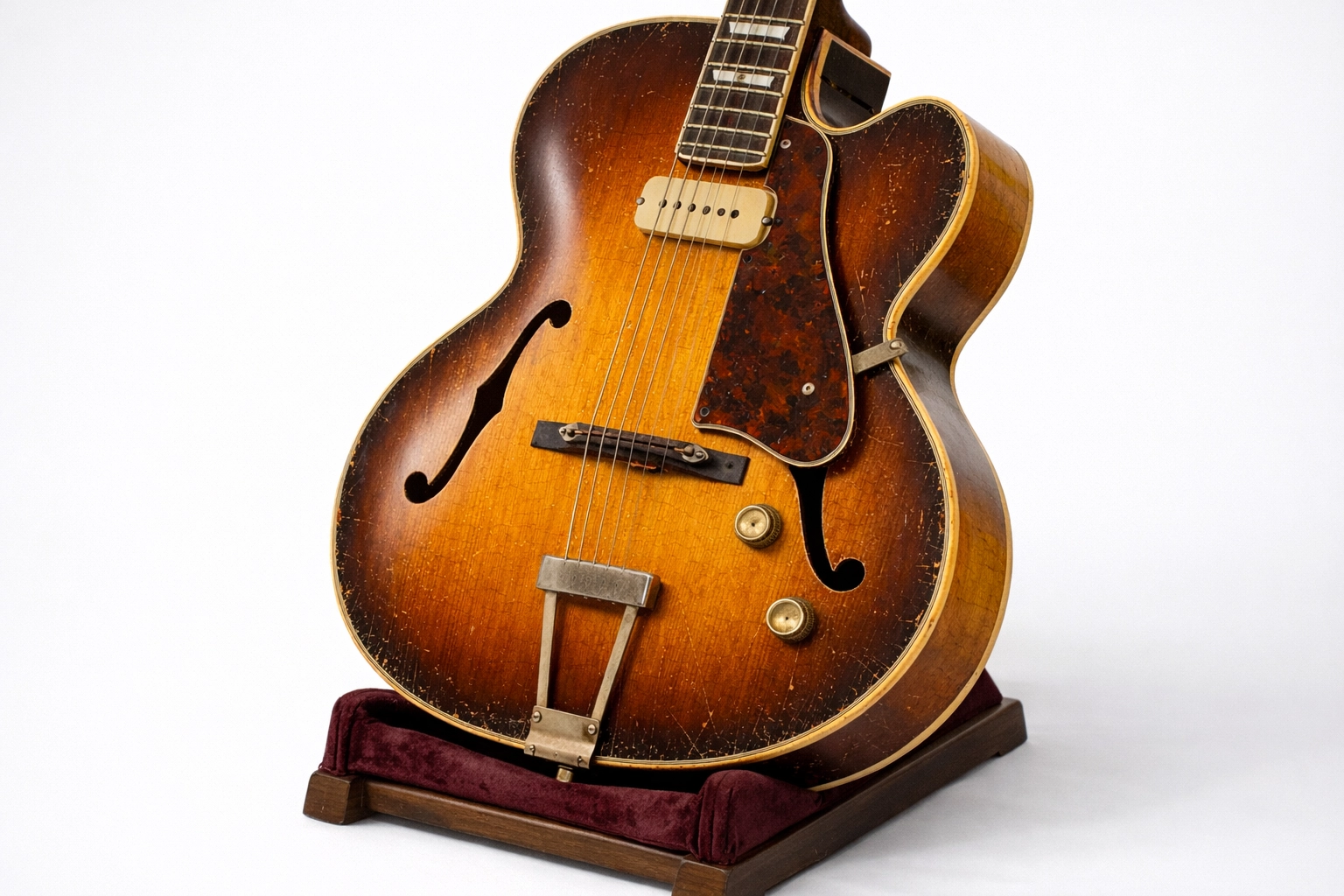
This might seem superficial, but aesthetic factors like colour can significantly affect value—particularly for guitars. A sunburst finish might be worth considerably more than a natural blonde on the same model. It's one of those quirks of the collector market that defies pure logic but absolutely affects pricing.
Using Price Guides and Market Research
You don't need to become a full-time market analyst, but a bit of research goes a long way. Several established resources can help you benchmark your instrument's value.
The Vintage Guitar Price Guide
Published annually, this guide is considered something of a bible for guitar collectors. The 2026 edition draws on expertise from 34 of the world's foremost vintage guitar dealers. You can look up your instrument by year, make, model, and even colour to get an estimated value in excellent condition.
Online Resources
Platforms like the Reverb Price Guide and the Blue Book of Guitar Values offer comprehensive databases that track actual sales data. These are particularly useful for understanding current market trends rather than historical estimates.
Watch Actual Sales
Price guides provide excellent ballpark figures, but nothing beats observing what instruments actually sell for. Auction results, dealer listings, and even completed sales on specialist forums give you real-world data. Remember: an asking price isn't the same as a selling price.
Supply and Demand Rules All
It's worth remembering that vintage instrument pricing isn't determined by what something originally cost or even what a price guide suggests. Ultimately, the market decides. A sudden surge in interest in a particular era or style can push values up dramatically, while oversupply can depress them. Staying informed about these trends helps you keep your valuations current.
When to Call in the Professionals
While DIY research is valuable, there are times when only a professional appraisal will do. This is particularly true for high-value pieces, rare instruments, or anything you're planning to insure for a significant sum.
What a Professional Appraiser Provides
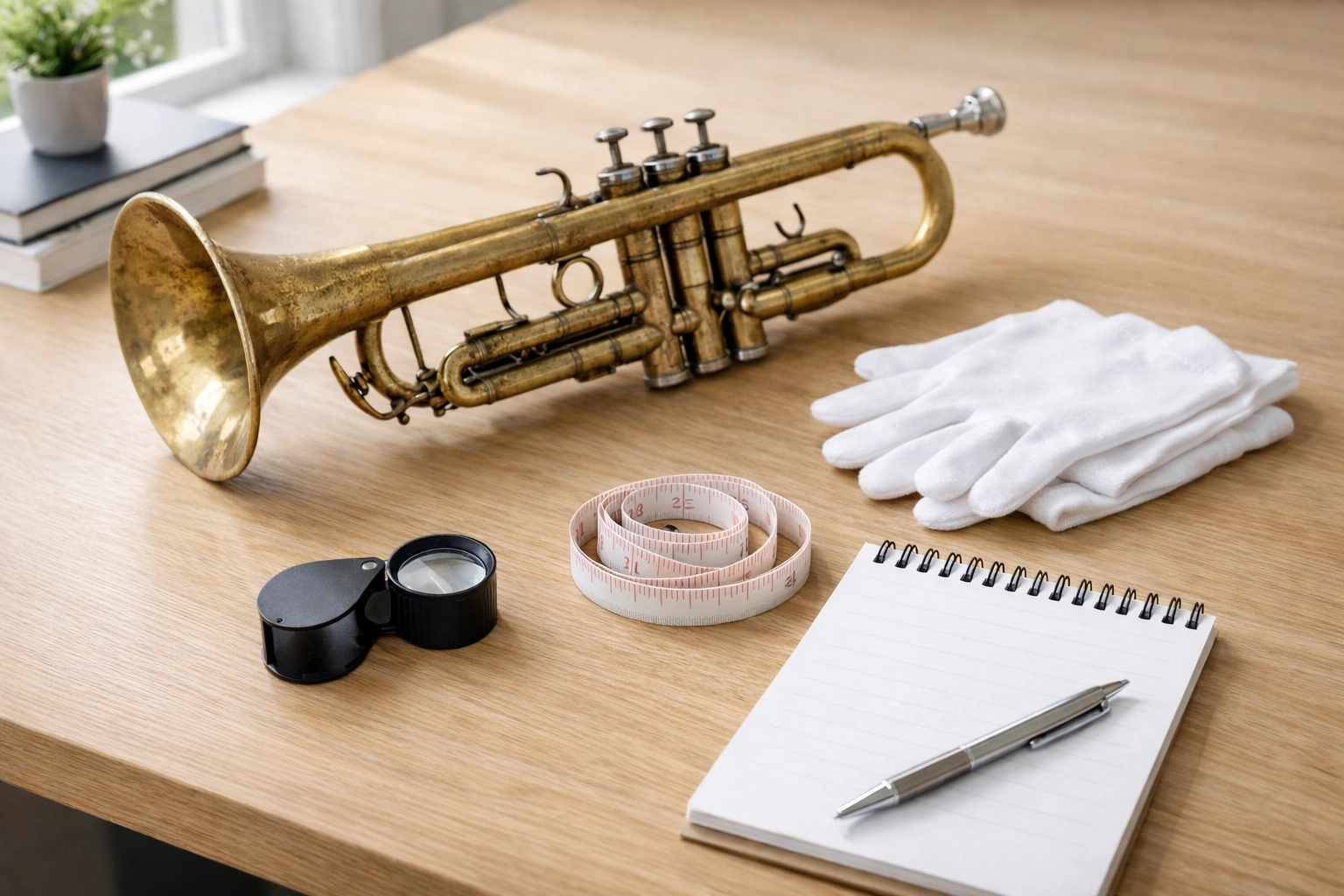
A qualified appraiser will examine your instrument in person, verify its authenticity, assess its condition thoroughly, and provide a written valuation report. This document is invaluable for insurance purposes, because it gives your insurer confidence in the declared value and gives you evidence to support any future claim.
Many specialist vintage instrument dealers offer appraisal services. Some provide free initial assessments, with detailed written valuations available for a fee—typically £50 to £150 depending on the complexity.
Keeping Your Documentation Current
Here's something many collectors overlook: a valuation isn't a one-time exercise. Markets change, and so does the value of your collection. A professional appraisal from five years ago may no longer reflect current market conditions.
How Often Should You Revalue?
As a general rule, consider having high-value instruments reappraised every three to five years—or sooner if you notice significant movement in the market for your particular make and model. This ensures your insurance coverage remains appropriate.
What to Keep on File
Maintain a file for each significant instrument that includes:
- Purchase receipts and provenance documentation
- Professional appraisal reports
- High-quality photographs from multiple angles
- Serial numbers and any identifying marks
- Records of any repairs or maintenance
This documentation isn't just useful for insurance—it also helps if you ever decide to sell. And if you’re thinking about protecting your instruments with comprehensive musical equipment cover (rather than trying to squeeze them into a generic home insurance approach), it’s worth a quick look.
Getting Your Cover Right
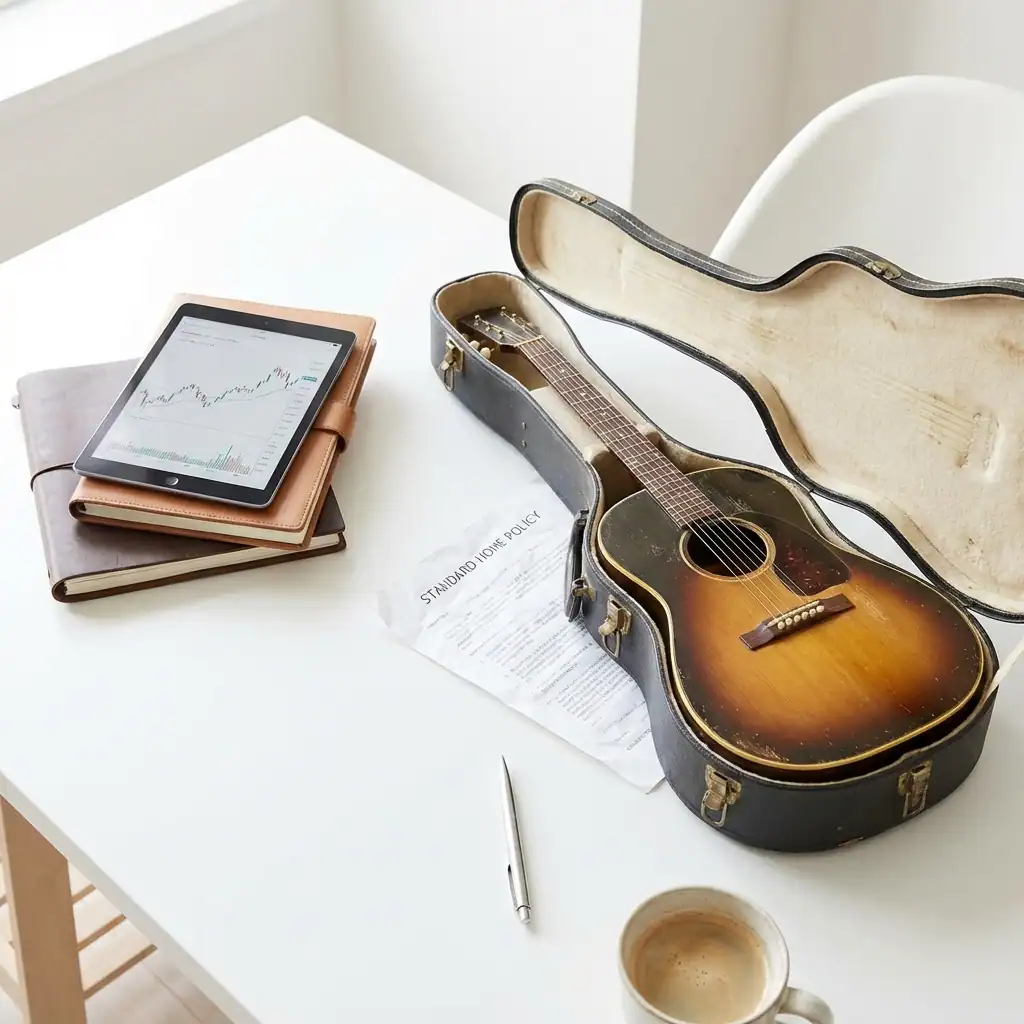
Once you have an accurate valuation, the next step is ensuring your insurance reflects it. Standard home contents policies often have single-item limits that may fall short of what your vintage instrument is worth. A 1959 Fender Stratocaster valued at £25,000, for instance, won't be adequately covered by a policy with a £1,500 single-item limit.
Specialist instrument insurance or high-value items cover ensures that your prized pieces are protected for their true worth, and it often includes benefits like worldwide coverage and protection against accidental damage that standard policies might exclude.
If you're unsure whether your current cover is sufficient, it's always worth checking the small print or speaking with a specialist broker who understands the unique needs of instrument collectors.
Final Thoughts
Valuing a vintage instrument properly takes a bit of effort, but it's effort well spent. By understanding the key factors that influence value, staying informed about market trends, and working with professionals when needed, you can ensure your treasured instruments are protected appropriately.
After all, these aren't just objects: they're pieces of musical history. They deserve to be valued correctly.




About The Author: Penny
More posts by Penny