
There's been a lot of chatter in studio circles lately. Whether you're running a professional recording space or you've carved out a corner of your spare bedroom for your home setup, you've probably noticed AI creeping into almost every conversation about music production.
But is it all hype? Or are we genuinely looking at a seismic shift in how we mix and master our tracks?
The short answer: it's a bit of both. And 2026 is shaping up to be the year where AI tools stop being novelties and start becoming genuinely useful parts of your workflow.
Let's take a look at what's actually happening – and three tools that are making waves right now.
The State of AI in Music Production
First things first. AI isn't here to replace you. Not yet, anyway.
What's actually happening is far more practical. Think of AI as a very clever assistant who's brilliant at the tedious stuff – cleaning up audio, separating stems, balancing levels, and suggesting settings. It's the sort of help that frees you up to focus on the creative decisions that actually matter.
According to recent producer surveys, most professionals are now using AI tools in some capacity. But here's the interesting bit – they're using them alongside their existing skills, not instead of them.
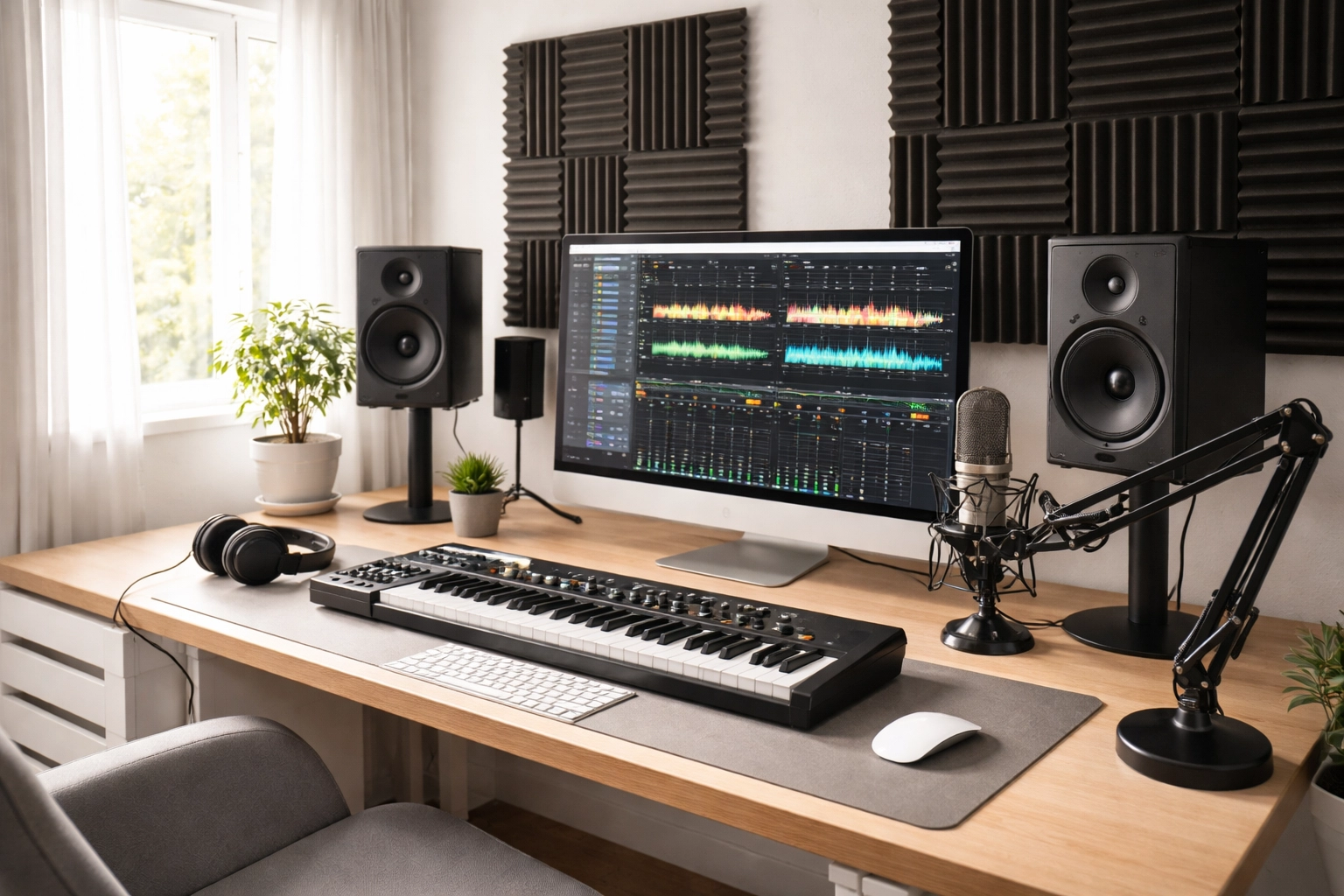
It's a hybrid approach. You might let an AI handle the initial grunt work on a mix, then step in to add your own magic. The result? You get professional-sounding output in less time, without sacrificing that human touch that makes music actually connect with listeners.
Tool #1: LANDR – Automated Mastering That Actually Works
If you've been producing music for any length of time, you've probably heard of LANDR. It's been around for a while now, but the 2026 version has become genuinely impressive.
Here's how it works. You upload your finished mix, and LANDR's AI analyses the track. Within minutes, it applies compression, EQ adjustments, and stereo widening tailored specifically to your music. No waiting weeks for a mastering engineer to fit you into their schedule.
Now, is it going to replace a top-tier mastering house for your major label release? Probably not. But for demos, singles, podcasts, or tracks you're uploading to streaming platforms, it's become remarkably good.
The real benefit for home studio owners is accessibility. Professional-sounding masters used to require either expensive equipment or expensive professionals. LANDR gives you a solid middle ground – professional enough for most purposes, at a fraction of the cost.
Tool #2: iZotope's Intelligent Suite – Your AI Co-Pilot
If LANDR is your automated mastering solution, iZotope is more like having a knowledgeable engineer looking over your shoulder while you work.
Their flagship products – Ozone for mastering and Neutron for mixing – have been incorporating AI assistance for several years now. But the 2026 iterations have taken things up a notch.
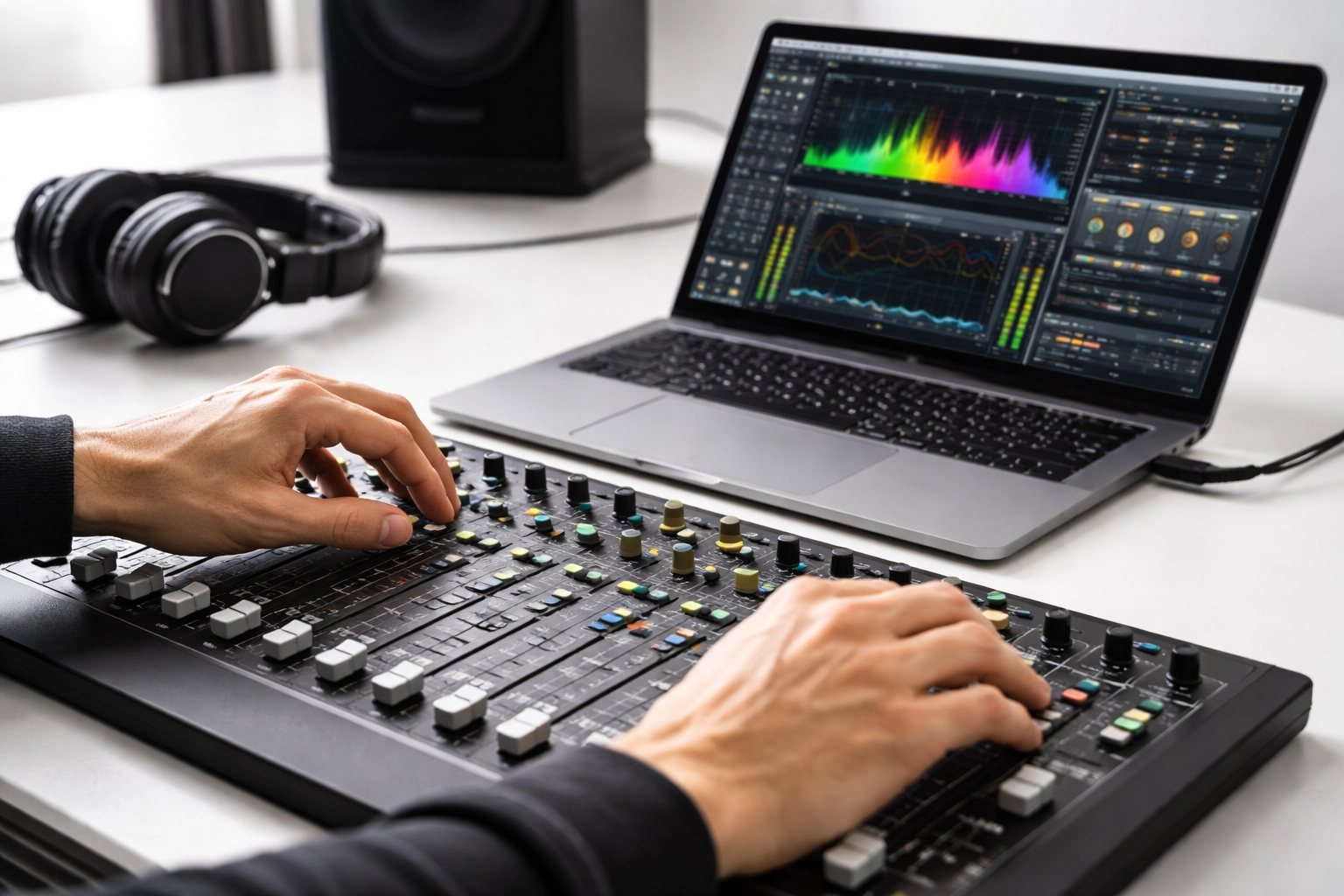
The AI doesn't just suggest settings anymore. It listens to your track in context, understands what you're trying to achieve, and offers real-time recommendations that actually make sense. It's like having a mentor who's mixed thousands of tracks whispering helpful suggestions in your ear.
For newer producers, this is invaluable. You learn while you work, picking up techniques you might never have discovered on your own. For experienced engineers, it speeds up the process – letting you quickly get into the ballpark before you start making the fine adjustments that really matter.
The best part? You're always in control. Accept the suggestions that work, ignore the ones that don't. It's assistance, not automation.
Tool #3: AIVA – When AI Meets Composition
AIVA sits in a slightly different space. While LANDR and iZotope focus on mixing and mastering, AIVA is about composition and arrangement – but it's increasingly relevant for anyone running a modern studio.
What makes AIVA interesting is the level of control it offers. This isn't just "press a button and receive a generic backing track." You can edit individual notes, adjust dynamics, control articulation, and shape AI-generated arrangements into something that genuinely fits your vision.
For media composers working to tight deadlines, it's a game-changer. Need a string arrangement for a client project by tomorrow morning? AIVA can give you a solid foundation that you then refine and make your own.
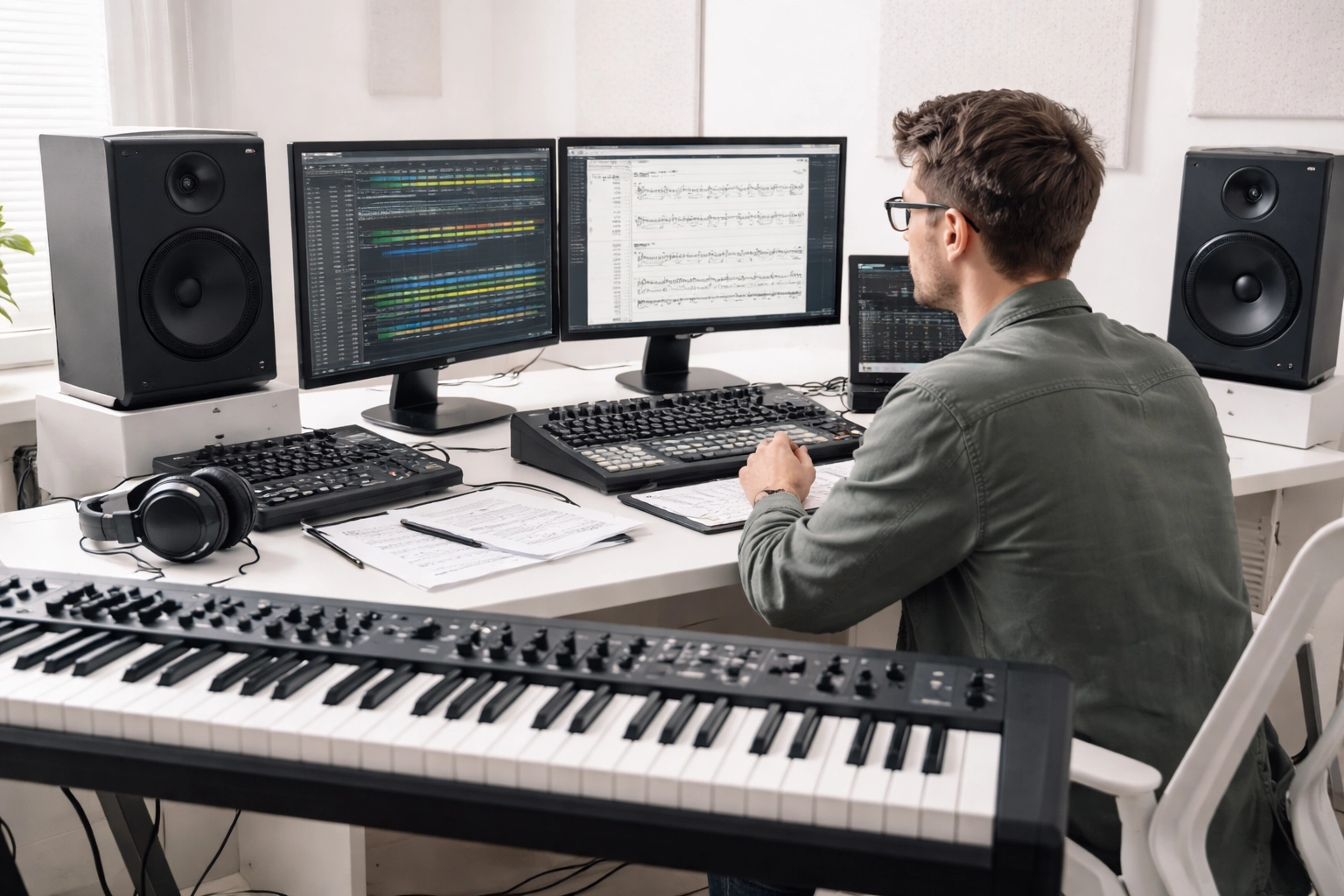
It's worth noting that music libraries and supervisors still expect that human touch. They can tell when something sounds purely algorithmic. But used thoughtfully – as a starting point rather than a finished product – AIVA can dramatically speed up your workflow without compromising quality.
The Hybrid Workflow Revolution
Here's the pattern you'll notice across all three tools. None of them are trying to do everything themselves. Instead, they're designed to work alongside human creativity.
The most successful producers in 2026 are embracing this hybrid approach. They might use AI to:
- Clean up audio and remove unwanted noise
- Separate stems from reference tracks for study or remixing
- Get a rough mix balanced quickly
- Generate initial arrangement ideas
- Handle mastering for quick turnaround projects
But they're still making the creative decisions. They're still choosing when a vocal needs to sit forward or back. They're still deciding which reverb creates the right emotional atmosphere. They're still shaping the dynamics that make a track feel alive.
AI handles the technical heavy lifting. Humans provide the artistic direction. It's a partnership that plays to everyone's strengths.
Protecting Your High-Tech Investment
Here's something that often gets overlooked in all the excitement about new technology. As studios become more sophisticated – packed with expensive plugins, high-end interfaces, and increasingly powerful computers – the cost of your setup quietly creeps upward.
That home studio that started with a laptop and a USB microphone? It might now contain tens of thousands of pounds (£) worth of equipment and software. And that's before we even consider the professional recording spaces that are investing in cutting-edge AI tools alongside their traditional gear.
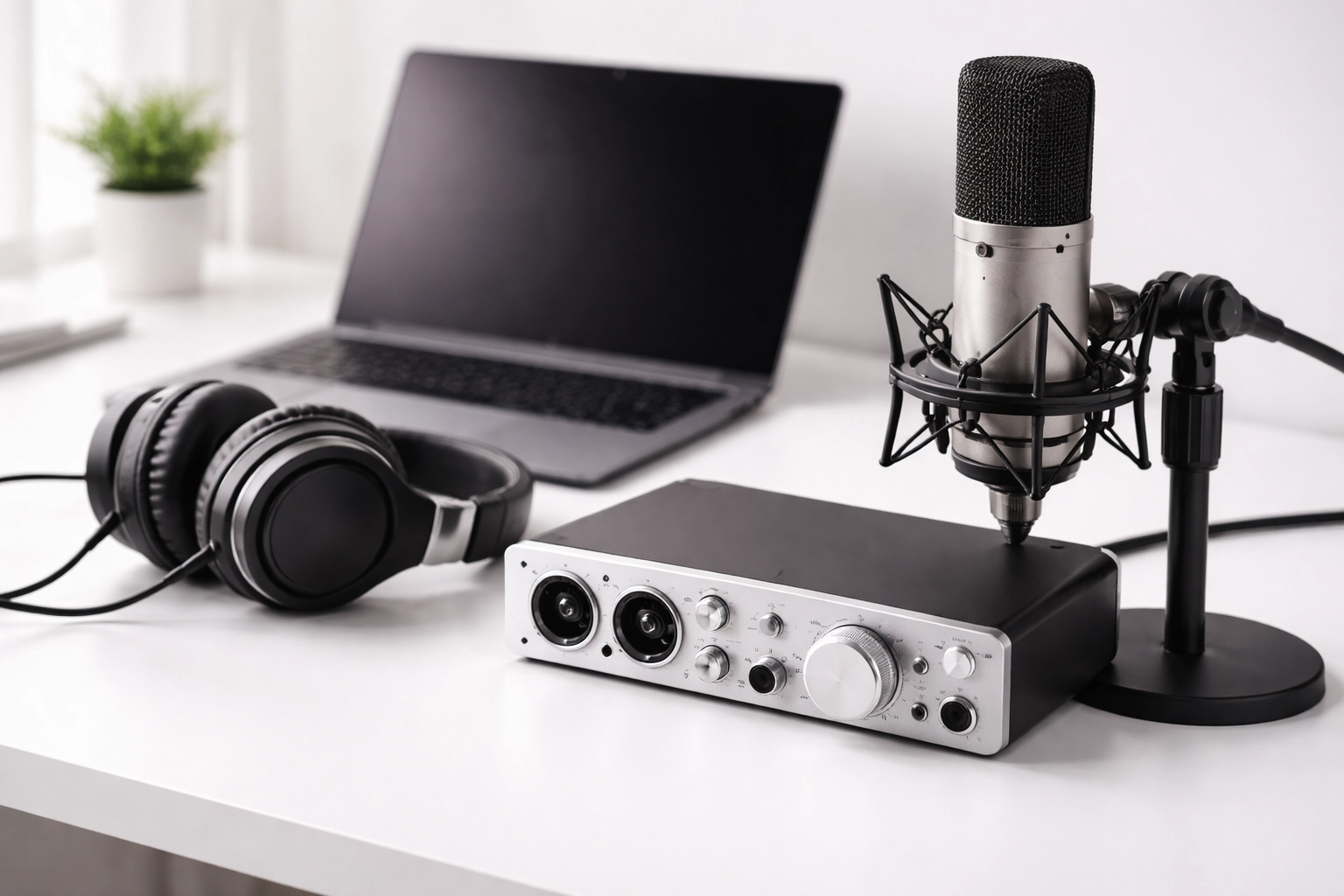
It's worth taking a moment to think about what happens if something goes wrong. A power surge, a break-in, water damage from the flat upstairs – these things happen more often than you'd think. And replacing specialised audio equipment isn't like popping down to the shops for a new kettle.
This is where proper recording studio insurance becomes essential rather than optional. The right cover ensures that if disaster strikes, you're not starting from scratch. You can get back to making music instead of wondering how you'll afford to replace your gear.
If your setup has grown significantly – especially if you've invested in high-end AI-powered tools and software – it's probably time to review your coverage. Make sure your policy actually reflects what you've got, not what you had three years ago.
Looking Ahead
So, is AI the future of mixing? Yes and no.
It's certainly part of the future. The tools are getting better, more accessible, and more integrated into professional workflows. Ignoring them entirely would be a bit like insisting on recording to tape because "that's how it's always been done."
But the future isn't AI alone. It's AI and human creativity working together. The producers who thrive will be the ones who learn to use these tools effectively – treating them as powerful assistants rather than replacements for genuine skill and artistry.
Whether you're running a commercial studio or mixing tracks in your bedroom, 2026 is a brilliant time to explore what AI can do for your workflow. Just remember to protect that increasingly valuable setup while you're at it.





About The Author: Penny
More posts by Penny