
"Seeing is believing." It’s a phrase we’ve lived by for centuries. If you have a photo of the dent in your car or the cracked screen on your brand-new smartphone, that’s proof, right? Well, in 2026, it seems that old adage is heading for the recycling bin faster than a broken toaster.
Welcome to the era of the "AI Deception." As technology has sprinted forward, the tools once reserved for Hollywood special effects artists are now sitting in the pockets of millions of people across the UK. And while most of us are just using AI to make our holiday snaps look a bit sunnier, a growing number of people are using it to cook up some rather imaginative insurance claims.
Recent data from Admiral has sent a bit of a shockwave through the industry. They’ve reported a staggering 71% increase in detected fraudulent claims over the last year. We’re not talking about small change here, either. We’re talking about £86.8 million in fraudulent motor, home, and travel claims. That is a lot of "accidental" wine spills and "mysterious" car bumps that never actually happened.
The rise of the digital "Oops"
It used to be that if you wanted to commit insurance fraud, you had to be quite dedicated. You’d have to actually damage something or find a convincing way to stage an accident. It was messy, risky, and frankly, a lot of effort.
But now? You can do it from your sofa while watching a box set. With just a few taps on a smartphone, someone can take a perfectly fine photo of their car and add a realistic-looking scratch, or take a picture of a designer watch and use an AI filter to make the glass look shattered. It’s "Photoshop for everyone," but with much higher stakes.
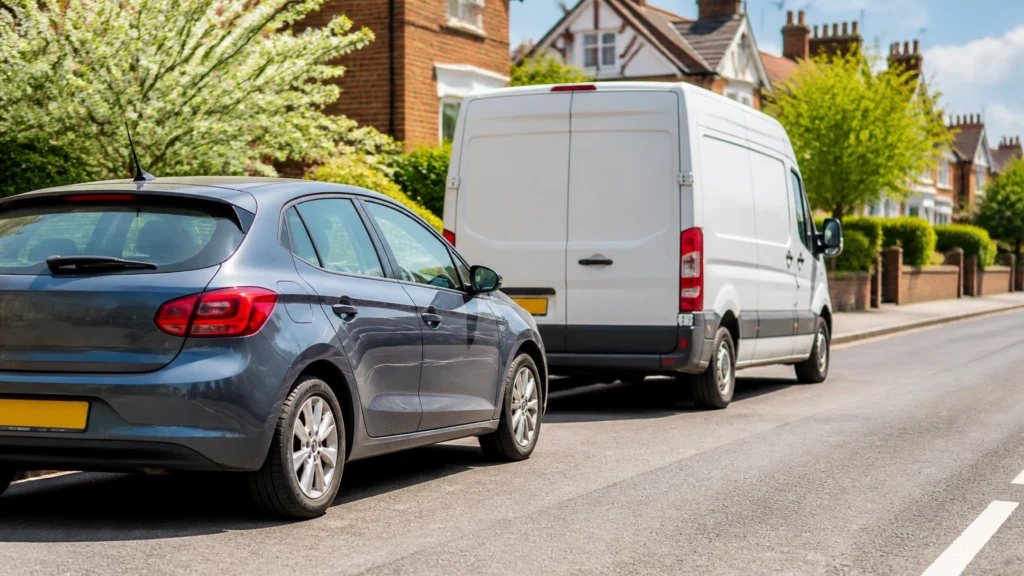
Admiral’s findings highlight some truly creative (if highly illegal) attempts. One of the most common tricks involves "recycling" damage. Imagine someone has a genuine accident, takes a photo of the crumpled rear end of their car, and then uses AI to digitally swap the number plates. Suddenly, that one accident becomes two or three separate claims across different policies. It’s clever, sure, but as the 71% detection spike shows, it’s not as clever as people think.

When "exaggeration" becomes fraud
You might be surprised to learn that many people who engage in this don’t even think of themselves as criminals. According to the research, 1 in 8 people (about 13%) admit to exaggerating an insurance claim. Even more, about 25%, say they’ve been tempted to "puff up" the numbers a bit.
There’s often a feeling of "I’ve paid my premiums for years and never claimed, so I’m just getting my money’s worth." It’s an easy trap to fall into, especially when you’re looking at a genuine loss and think, "Well, if I say the watch was a slightly more expensive model, it’ll cover my excess."
But here’s the thing: that little "white lie" is legally considered fraud. Whether it’s a totally fake AI image or just a slightly edited one to make the damage look worse, the consequences are the same. It can lead to your policy being cancelled, your name being added to a fraud database (making it nearly impossible to get insurance in the future), and even criminal prosecution. It’s worth checking the small print on your policy to remind yourself exactly what you're covered for: and what constitutes a breach of trust.
The cat-and-mouse game
So, how are insurers catching these digital tricksters? It turns out that while AI can create some very convincing images, it often leaves behind "digital fingerprints."
Insurance companies are now using their own AI tools: the "good guys," if you will: to scan submitted photos for signs of manipulation. These systems can detect things the human eye can't: tiny inconsistencies in lighting, pixels that don't quite match, or metadata that suggests the photo wasn't taken where or when the claimant said it was.
At T&R Direct, we’ve always believed that the best way to keep premiums down for everyone is to ensure that only genuine claims are paid out. Fraud isn’t a victimless crime; it’s one of the main reasons why everyone’s insurance costs go up. When insurers have to pay out millions for fake car accidents or imaginary designer shoes, that cost eventually filters down to the honest customers. That’s why we’re so passionate about helping you find the right price for your cover: it’s about fairness for everyone.

Beyond the screen: Home and Travel
While motor insurance sees a lot of the action, home and travel insurance haven't been spared from the AI treatment. We’ve seen cases of people using internet photos of damaged luggage and claiming it’s their own, or even submitting claims for winter ski injuries during a summer holiday (which is a bit of a giveaway, really).
In the home, it’s often about "invisible" damage. A quick AI edit can make a carpet look ruined by a leak or a piece of expensive tech look like it’s had a fatal encounter with a cup of coffee. This is why it’s so important to have the right home insurance in place. When you have a genuine disaster, you want the peace of mind knowing that your claim will be handled quickly and professionally. Using fake evidence only slows down the process for people who truly need help.
If you’re looking for ways to protect your property without breaking the bank, we have plenty of tips and advice when looking for house insurance that focus on real, honest ways to save money.
How to stay safe (and honest)
The rise of AI fraud means insurers are understandably becoming more cautious. This can be a bit frustrating for the rest of us who are just trying to make a genuine claim. So, how can you ensure your claim goes through smoothly in this high-tech world?
- Take "Context" Photos: If you have a car accident, don’t just take a close-up of the dent. Take photos of the whole car, the street, and the surrounding area. This provides "proof of life" for the incident that AI struggles to replicate perfectly.
- Keep Your Receipts: It sounds old-school, but a physical or digital receipt from a reputable retailer is much harder to fake than a photo of a watch. For high-value items, it’s always a good idea to itemise them specifically in your home policy.
- Be Honest: It sounds simple, but it’s the best policy (pun intended). If the damage is minor, report it as minor. Trying to make it look worse might seem like a way to get a better payout, but in 2026, the risk of getting caught is higher than ever.
- Use a Broker You Trust: At T&R Direct, we’re people, not just algorithms. We’re here to help you navigate the claims process and ensure you have the right cover from the start. We’re all about helping you stay safe and save money the right way.

The future of the claim
As we move further into 2026, the battle between AI-generated fraud and AI-powered detection will only intensify. We might even see a shift towards "live video" claims, where you have to show the damage in real-time to a claims handler via a secure app, making it much harder to use pre-rendered fake images.
In the meantime, the best thing we can do is stay informed. AI is an incredible tool that’s changing our lives for the better in so many ways: from medical breakthroughs to helping us write better emails. But when it’s used to try and "game" the system, it's the honest policyholders who end up footing the bill.
If you’re worried about your current cover or just want to make sure you’re getting a fair deal without any of the digital drama, why not give us a shout? Whether it's for your home, your car, or even your business, we’re here to keep things simple, transparent, and: most importantly: real.
Remember, a genuine claim is nothing to be afraid of. But in a world where photos can lie, your reputation for honesty is your most valuable asset.
Need a quote that’s built on reality?
Check out our range of services at T&R Direct and let us help you find the perfect policy for your needs. No AI-generated "discounts" here: just real savings and professional service.



About The Author: Penny
More posts by Penny