
It seems the British summer has finally decided to show up – but maybe with a bit too much enthusiasm. With June temperatures hitting a record-breaking 37.3°C and a third heatwave forecast for July, it’s not just our ice creams that are melting. If you run a recording studio or have a high-end home setup, these extreme temperatures are more than just uncomfortable; they can be downright dangerous for your gear.
Most of us know that computers don’t like getting too hot, but in a professional audio environment, the risks go much deeper. From warping vinyl and "sweating" microphones to the subtle degradation of vintage tube preamps, heat is a silent predator for music equipment.
So, how do you keep your creative space from becoming a high-tech oven? And more importantly, is your recording studio insurance actually up to the task if the worst happens? Let’s look at how to protect your investment when the mercury starts to climb.
The invisible threat: Heat and humidity
You might find it a bit warm in the booth, but your equipment is feeling it much more acutely. Recording gear – especially high-end outboard units and computers – generates its own heat. When the ambient temperature in the room rises, that internal heat has nowhere to go.
Electronics and lifespan
Most studio electronics are designed to operate within a specific temperature range, typically between 18°C and 24°C. When you push past 30°C, internal components like capacitors and power supplies start to undergo thermal stress. It might not kill your interface instantly, but it significantly shortens its lifespan. Tube gear is particularly vulnerable; those valves already run hot, and adding a 35°C ambient temperature to the mix is a recipe for premature failure.
The humidity factor
It's not just the heat – it's the humidity that often accompanies a UK heatwave. High humidity can lead to corrosion on connectors and jacks, introducing that dreaded "crackle" into your signal chain. Even worse, if you use air conditioning to cool a room down rapidly, you can trigger condensation inside your gear. Cold surfaces meeting warm, humid air equals moisture – and moisture is the natural enemy of a circuit board.

Microphones: The delicate front line
Your microphones are often the most sensitive (and expensive) items in your locker. Condenser microphones, in particular, are incredibly delicate.
High humidity can cause the thin diaphragms in condenser mics to become slightly "sticky," which messes with their transient response and can lead to strange noise issues or even temporary failure. If you've ever heard a mic start to "spit" or "pop" on a humid day, that's likely moisture on the capsule.
Pro tip: In extreme heat, don’t leave your best mics on their stands. Store them in their cases with a fresh silica gel packet to keep the environment stable and dry.
Managing the environment
The goal isn't just to make the room bearable for humans, but to keep it stable for the machines.
Monitor the numbers
You can't manage what you don't measure. A simple digital hygrometer and thermometer is a must-have for any studio. Aim to keep your relative humidity (RH) between 30% and 50%. Anything over 60% and you’re inviting mold and corrosion; anything under 25% and you might start seeing issues with wooden instruments or static electricity.

Ventilation is king
If you don’t have professional HVAC, you need to get creative.
- Airflow: Ensure there is a gap between your rack-mounted units. If they are packed tight, the heat builds up in "dead zones" and can't escape.
- Direct Sunlight: It sounds obvious, but keep the curtains closed. Direct sunlight hitting a black rack of gear can raise its temperature far beyond the room's ambient level.
- Power Down: If you aren’t actively tracking or mixing, turn the gear off. Every LED and power supply contributes to the room's thermal load.
The power surge problem
Heatwaves put a massive strain on the National Grid as everyone cranks up their fans and AC units. This often leads to "brownouts" (dips in voltage) or sudden surges when the load shifts.
Sensitive audio interfaces and computers can be fried by these fluctuations. Make sure your critical gear is plugged into a high-quality surge protector or, ideally, an Uninterruptible Power Supply (UPS). A UPS doesn't just give you time to save your project during a blackout; it "conditions" the power, ensuring your gear sees a steady, safe voltage regardless of what the grid is doing.

Why specialist insurance matters
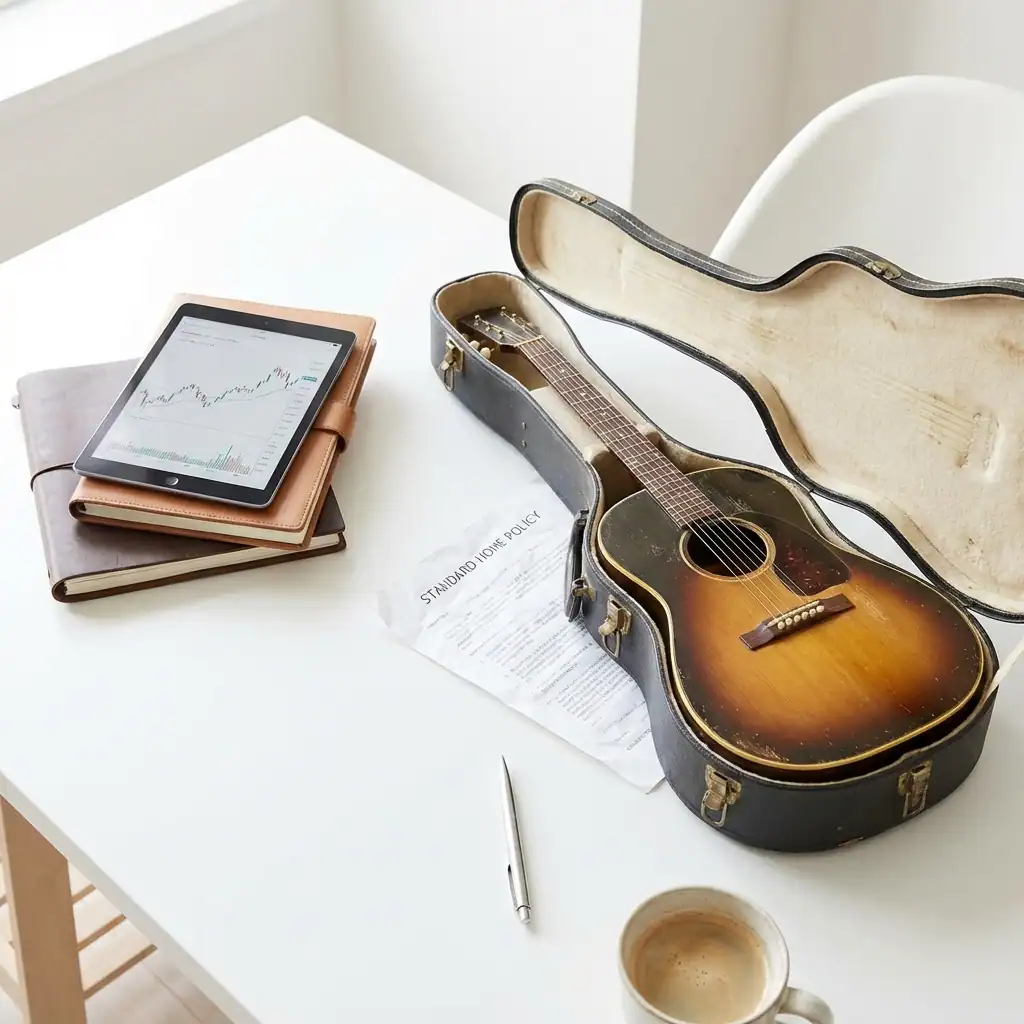
You might think your home insurance has you covered, but it’s worth checking the small print. Many standard home policies have low limits for "business equipment" or "musical instruments," and they might not cover professional use at all.
If a heatwave causes a power surge that wipes out your mixing desk, or if a pipe bursts due to heat-related pressure changes and ruins your mic locker, you need to know you’re protected. Specialist music studio insurance is designed with these specific risks in mind.
At T&R Direct, we offer coverage that understands the value of your gear. Whether it’s instrument insurance for your vintage guitars or comprehensive band contents insurance for your mobile recording rig, we make sure you aren't left out of pocket when the weather turns extreme.
Check your "sum insured"
With the cost of gear rising, it’s a good time to review your policy. If you’ve added a new preamp or a high-end synth lately, make sure your total "sum insured" reflects the replacement cost in today’s market. It’s a small detail, but it makes all the difference if you ever need to make a claim.

Stay cool, stay creative
A heatwave doesn't have to mean a disaster for your studio. By keeping an eye on your humidity levels, ensuring good airflow, and having the right insurance for music equipment in place, you can focus on what really matters – making music.
Remember, if the room feels too hot for you to work comfortably, your gear is likely struggling even more. Take a break, keep the gear off during the hottest part of the day, and keep those fans moving. Your equipment (and your ears) will thank you for it.
Practical takeaways:
- Keep your studio between 18–24°C and 30–50% humidity.
- Power down any gear not in use to reduce heat buildup.
- Use a UPS or surge protector to guard against grid instability.
- Store delicate microphones in their cases with silica gel.
- Check that your recording studio insurance covers the full replacement value of your current setup.




About The Author: Penny
More posts by Penny