
If you have ever scrolled through a property portal and found yourself mesmerised by a converted 19th-century windmill or a water tower in the heart of Warwickshire, you aren’t alone. The UK has a long-standing love affair with unusual architecture. Whether it is a "Hobbit-style" roundhouse in Cornwall or a modernist retreat featured on Grand Designs, these homes offer a level of character that a standard semi-detached simply cannot match.
But as any owner of a "non-standard" property will tell you, the charm often comes with a side of administrative headache: specifically when it comes to insurance. Many mainstream insurers take one look at a flat roof, a timber frame, or a converted church and politely decline to provide a quote.
The good news? The market is shifting. Recent developments in the UK insurance industry, including a significant new partnership between Pen Underwriting, Zurich, and Hiscox, are set to provide a much-needed boost for owners of unique and high-value homes.
Why unique homes struggle with insurance
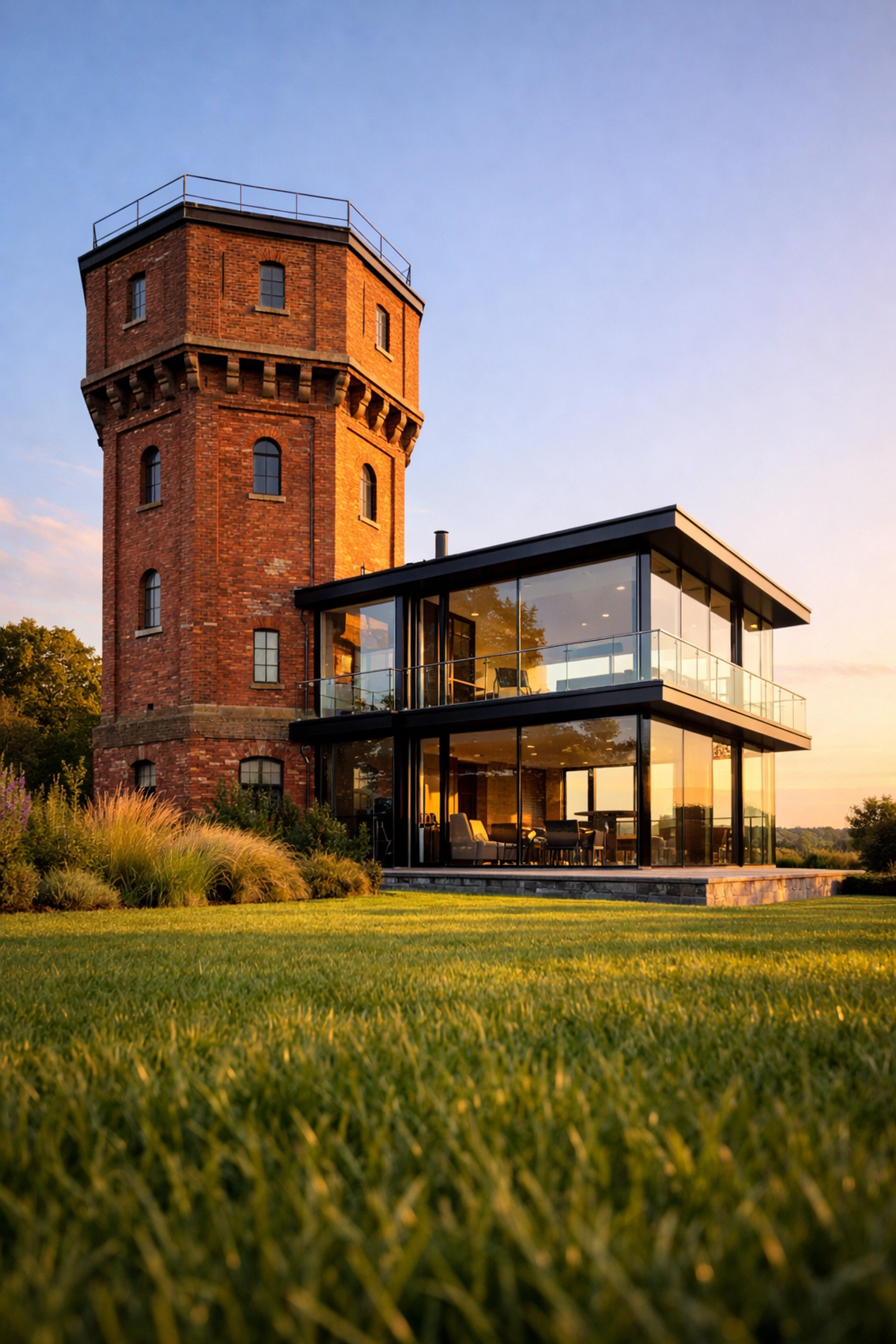
For most of us, insurance is straightforward. If your house is built of brick with a slate or tile roof, an algorithm can calculate the risk in seconds. But what happens if your home is a converted Oast house once used for drying hops? Or a gravity-defying cantilevered home set four metres above the ground?
Mainstream insurers often shy away from these properties for a few reasons:
- Repair Costs: If a stained-glass window in a converted church breaks, you cannot just call a local glazier for a standard replacement. The specialist skills and materials required are far more expensive.
- Construction Risks: Thatch roofs, while beautiful, carry a higher fire risk. Timber frames or "wattle and daub" construction require specific maintenance that standard policies aren't designed to cover.
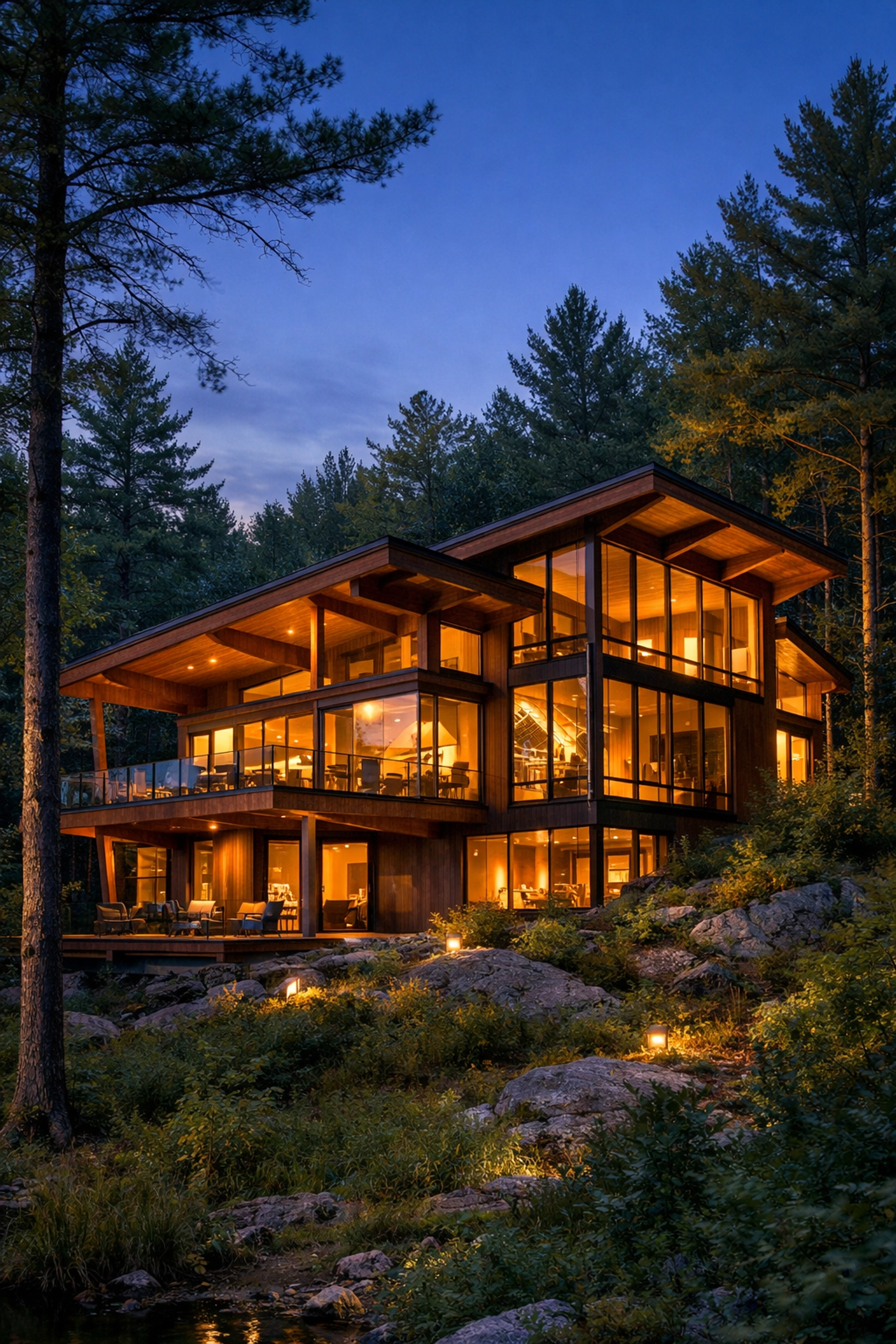
- Valuation Difficulties: It is relatively easy to value a three-bedroom house in a suburban estate. It is much harder to accurately value a one-of-a-kind modernist retreat in the Essex woodland.
Because of these complexities, owners of quirky homes have often found themselves pushed toward niche, expensive providers. However, the landscape is becoming more competitive, which is excellent news for your wallet.
The April 2026 Shift: Pen, Zurich, and Hiscox
At the start of April, a major announcement sent ripples through the industry. Pen Underwriting launched a new partnership backed by Zurich and Hiscox, specifically designed to handle "non-standard" and high-net-worth home insurance in the UK.
This is not just another corporate merger; it is a significant increase in "capacity." In insurance terms, capacity refers to the amount of risk an insurer is willing to take on. By joining forces, these three giants are creating a powerhouse that is actively looking for properties that others might consider "too difficult."
For you, this means more choice. When more big players enter the non-standard market, it drives innovation in policy wording and, more importantly, keeps pricing competitive. Whether your home is a Grade II listed manor or a converted school building near Milton Keynes, you now have access to a broader range of specialised cover in our article The Non-Standard Specialist options.
What defines a "quirky" or "non-standard" home?
It is easy to think of "quirky" as meaning a castle or a lighthouse, but the definition is actually much broader. In the eyes of an insurer, a home is often deemed non-standard if it deviates from the "standard construction" of brick/stone walls and a tile/slate roof.
Common examples we see at T&R Direct include:
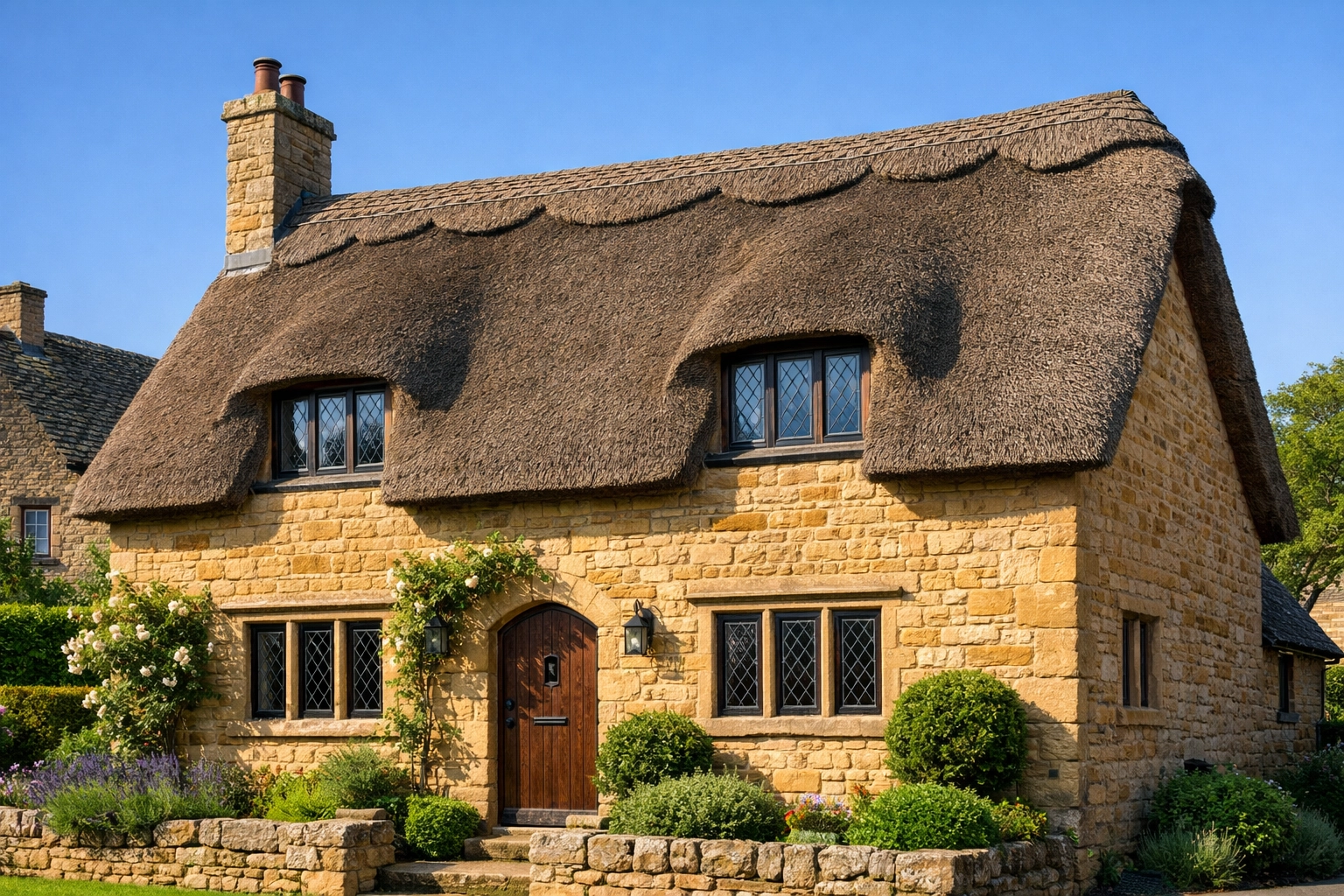
- Converted Buildings: Churches, schools, barns, and even old industrial units. These often have huge open-plan spaces and original architectural features that require specialised protection.
- Eco-Homes: Houses built with sustainable materials like straw bales, or those with significant solar arrays and green roofs.
- Listed Buildings: If your home is Grade I or Grade II listed, you have a legal obligation to repair it using original methods and materials, which makes the "rebuild cost" significantly higher.
- Flat Roofs: While modern flat roofs are very reliable, many insurers still view them as a higher risk for leaks and weather damage.
- Timber Frames: From Tudor cottages to modern modular builds, timber construction requires a specific type of underwriting.
The High-Value Home factor
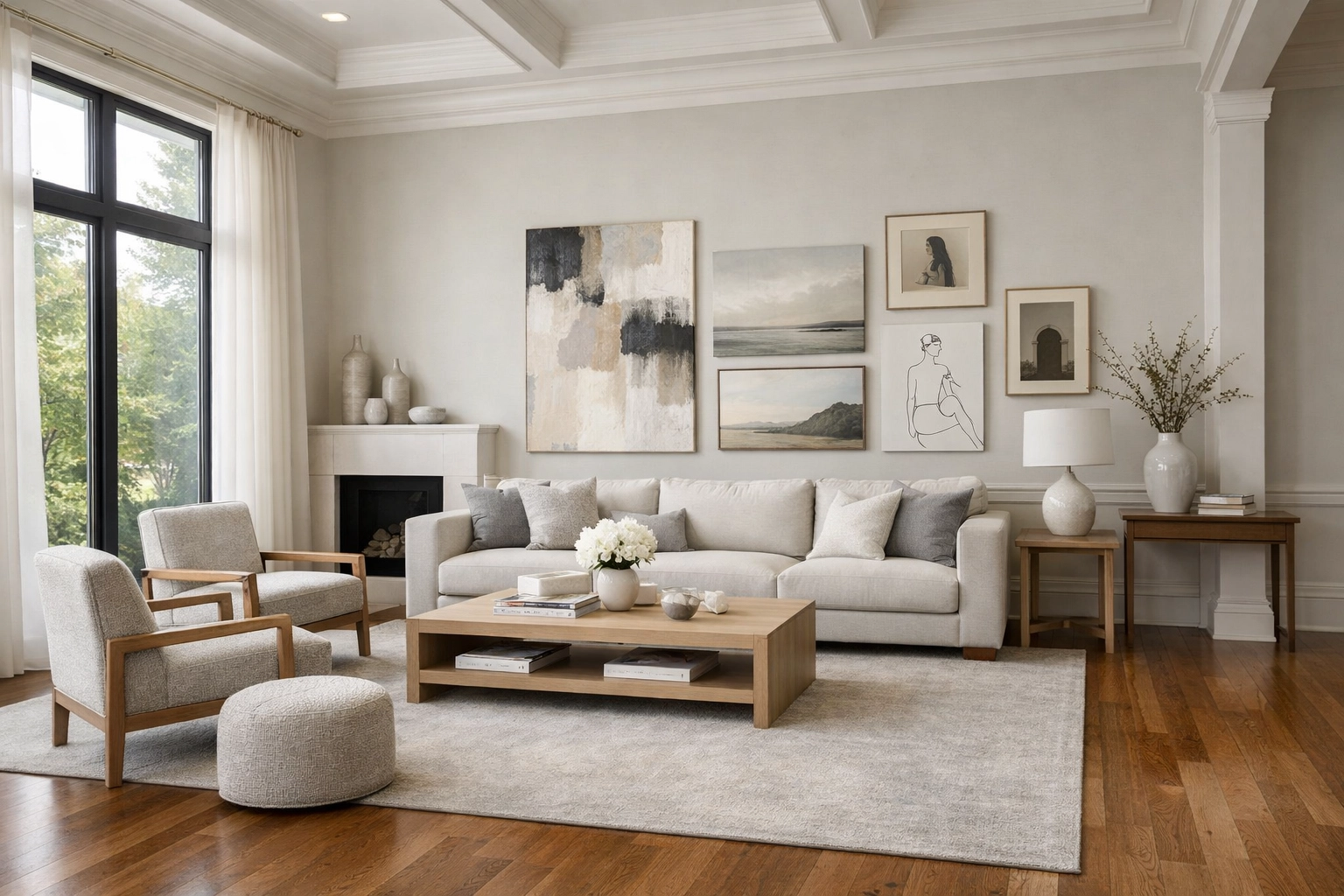
Sometimes, it isn't the construction of the house that is "quirky," but what is inside it. For high-net-worth individuals, a standard home insurance policy is often like wearing a suit that is three sizes too small. It might cover the basics, but it won't offer the protection you really need.
High-value home insurance is designed for properties that generally have a rebuild cost of over £500,000 or contents valued at £100,000 and above.
These policies are far more flexible. They often include:
- Worldwide All-Risks Cover: This covers your jewellery, watches, and fine art whether they are inside your home or you are travelling abroad.
- Higher Liability Limits: If someone is injured on your property, standard policies might have a limit that is too low for a high-value estate.
- Specialist Claims Handling: If you have a claim, you deal with people who understand the value of an antique mahogany table or a bespoke designer kitchen.
If you are a landlord with a portfolio of unique properties, the stakes are even higher. Ensuring your tenants are protected and your investment is secure requires a nuanced approach, often involving specific tenants' insurance advice to ensure no gaps in coverage exist.
Why using a broker matters for unique properties
If you have a unique home, the "price comparison" websites are rarely your friend. They are built for the masses. When you tick the box for "non-standard construction" on a comparison site, you often either get a "no results found" message or a price that seems eye-wateringly high.
This is where a broker like T&R Direct Insurance Services becomes invaluable. We don't just rely on an algorithm; we talk to the underwriters. We can explain to them that while your roof is thatched, it was recently treated with fire-retardant spray and you have a dedicated spark arrestor on your chimney.
Because we work with partners like Pen, Zurich, and Hiscox, we can access these new, specialised schemes that aren't available to the general public. We take the time to understand the "quirks" of your property so we can present it to the insurer in the best possible light.
Practical tips for insuring your unusual home
While the market is opening up, there are still things you can do to make your property more "insurable" and keep your premiums down:
- Get a Professional Valuation: Don't guess the rebuild cost. For unique homes, the market value (what you paid) and the rebuild cost (what it would cost to build from scratch using original materials) can be very different.
- Document Everything: If you have a converted church with original stained glass, take high-quality photos and keep records of any specialist surveys.
- Security is Key: High-value homes are often targets. Investing in an NSI-approved alarm system or high-quality CCTV can significantly reduce your premiums.
- Maintain Specialist Features: If you have a thatched roof, get it inspected by a master thacker every few years. If you have a flat roof, keep it clear of debris. Insurers love to see a "proactive" homeowner.
Looking to the future
The UK property market will always have a place for the unusual. As we see more people moving away from city centres to find "forever homes" in the countryside, the demand for converted barns and unique rural retreats is only going to grow.
It is heartening to see the insurance industry finally catching up with the reality of modern (and ancient) British living. The new capacity in the market means that owning your dream "quirky" home doesn't have to be an insurance nightmare.
If you are currently living in a property that doesn't fit the "standard" mould, or if you are planning to purchase a high-value home this year, it is worth checking what your options are. You might be surprised at how much more flexible the market has become.
At T&R Direct, we pride ourselves on finding solutions for the "hard to place" risks. Whether it's your main residence, a holiday home, or a property you rent out, we are here to help you navigate the complexities of the modern insurance world.
Feel free to browse our latest articles for more insights on protecting your assets, or get in touch with us directly to discuss your specific needs. Your home is unique (your insurance should be too.)




About The Author: Penny
More posts by Penny