
There's a shift happening in how high-net-worth individuals socialise, and it's playing out behind closed doors, literally. Instead of booking private dining rooms at exclusive restaurants or hiring event spaces, more people are transforming their homes into sophisticated entertaining venues. Think intimate dinner parties for twenty, cocktail evenings with live music, or wine tastings that rival anything you'd find in Mayfair.
It's not hard to see the appeal. You've got complete control over the guest list, the menu, and the ambience. No waiting for tables, no worrying about photographers lurking outside, and no need to share the experience with strangers. Your home becomes your private member's club.
But here's the thing – when you start hosting events that rival professional venues, your insurance needs change too. That standard home insurance policy you've been renewing each year? It might not be quite as comprehensive as you think when things go wrong during your next soirée.
Why the Shift to At-Home Entertaining?
The past few years have reshaped how we think about privacy and exclusivity. High-profile individuals increasingly value discretion, and there's nothing more private than your own home. Add in the fact that many high-net-worth properties now feature amenities that rival five-star hotels – wine cellars, professional kitchens, home cinemas, landscaped gardens – and it makes perfect sense to use them.
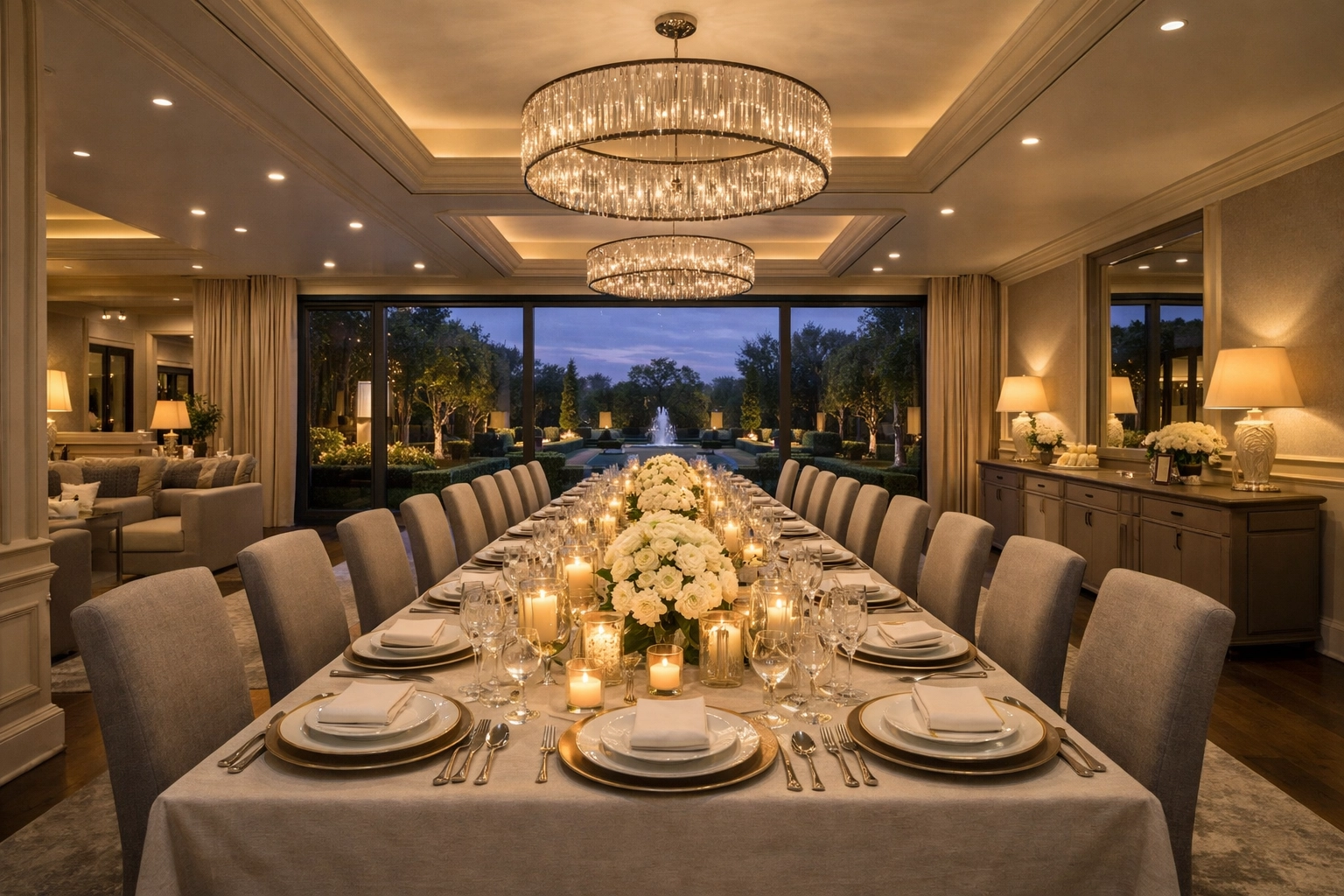
Some homeowners are even retrofitting spaces specifically for entertaining: climate-controlled wine rooms, outdoor kitchens with professional equipment, or dedicated event spaces with their own entrances. When you've invested that much in creating the perfect entertaining environment, you want to use it.
The Liability Gap in Standard Policies
Here's where it gets interesting. Your high net worth home insurance covers you for the usual scenarios – accidental damage, theft, that sort of thing. But when you start hosting regular events, especially with hired staff, entertainment, and potentially hundreds of guests over the course of a year, you're entering territory that standard policies weren't designed for.
Let's say a guest slips on your newly polished marble floor and breaks their wrist. Or someone has an allergic reaction to something served by your catering team. Perhaps a valuable piece of art gets damaged during the event, or a guest's designer coat goes missing from your cloakroom. These scenarios sit in an awkward middle ground – they're not quite commercial events (you're not running a business), but they're more elaborate than having a few friends round for dinner.
Guest Safety and Your Responsibility
When you invite people into your home, you owe them a duty of care. It's the same principle whether it's two guests or twenty, but the complexity multiplies with larger gatherings. You need to think about everything from adequate lighting on pathways to ensuring your pool area is secure if children are present.
If you're serving alcohol – and let's face it, most upscale events involve a well-stocked bar – you also need to consider what happens if a guest has too much and injures themselves on your property. Or worse, drives home and has an accident. In some circumstances, as the host, you could find yourself facing liability claims.
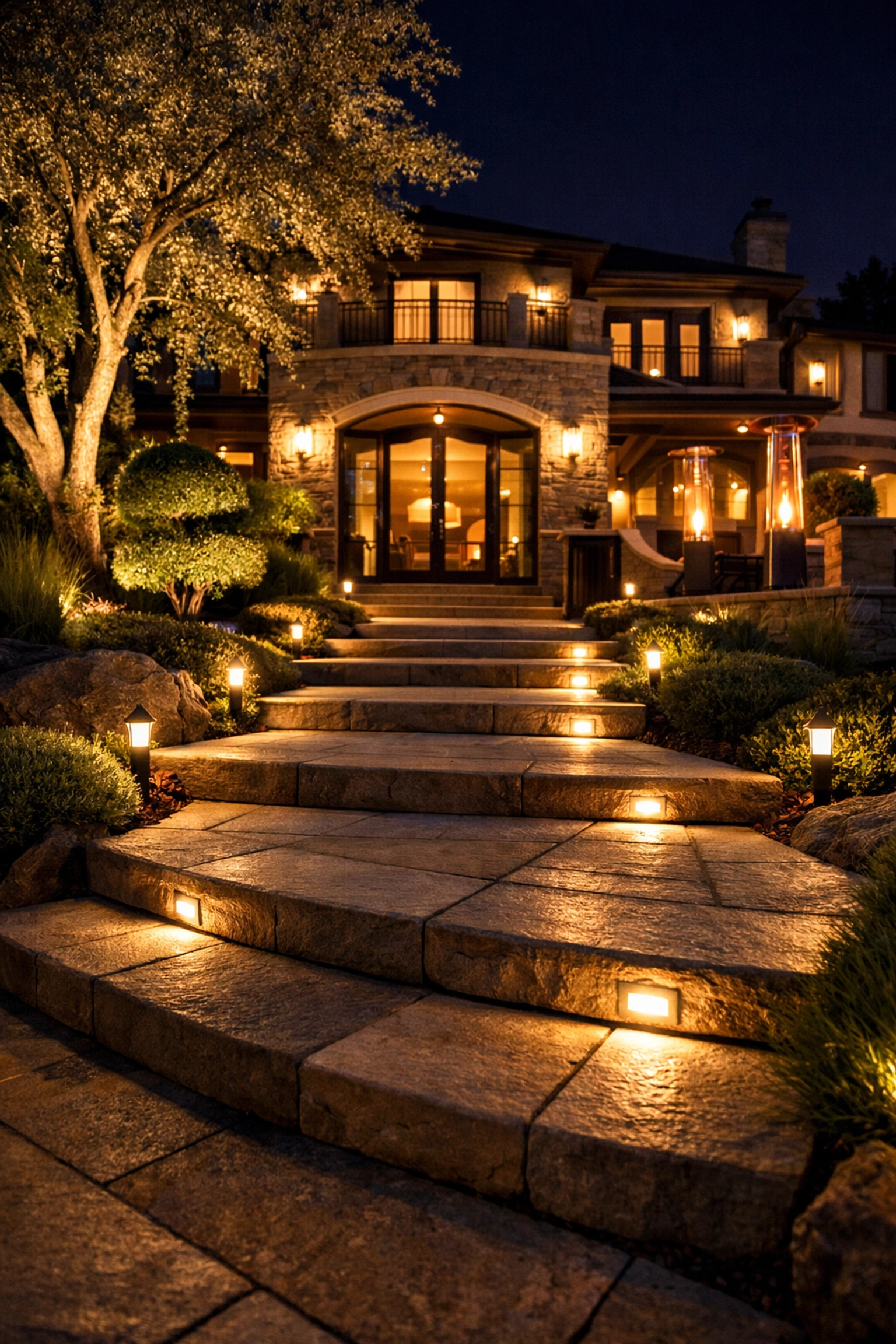
The exterior spaces deserve particular attention. Those beautifully lit garden steps are atmospheric, but are they actually safe when someone's navigating them in heels after a few glasses of champagne? Is your outdoor heating adequate for a winter event, or are you creating fire risks with portable heaters?
The Staff Question
Many at-home events now involve professional help – caterers, bartenders, waiting staff, event coordinators, even security personnel for higher-profile gatherings. Each person working in your home creates additional liability considerations.
What happens if a member of the catering team injures themselves in your kitchen? Are they covered under their employer's insurance, or does your policy need to step in? If hired staff damage something valuable while setting up, who's responsible? And if they inadvertently cause injury to a guest – serving something to someone with allergies, for instance – the liability questions become even more complex.
High-Value Contents at Risk
When you're hosting events at home, your high value contents insurance needs to work harder. You're not just protecting items from the usual risks – you're exposing them to increased footfall, potential accidental damage, and yes, the occasional opportunistic guest.
Art collections, antiques, designer furniture – these items that you'd normally protect behind velvet ropes in a gallery are now sharing space with circulating guests holding red wine. One knocked-over glass, one careless elbow, and you could be looking at a five-figure damage claim.

Then there's the question of guest belongings. If you're taking coats and bags to a designated cloakroom area, you're effectively providing a service. What's your liability if something valuable goes missing during the event?
Alcohol Service Considerations
Serving alcohol at private events occupies a legal grey area. You're not running a licensed premises, so you don't need the same commercial licences. But that doesn't mean you're free from all responsibility.
Over-serving guests who then injure themselves or others can create liability issues. Some upgraded home insurance policies include specific provisions for social host liability, covering scenarios where you might be held responsible for alcohol-related incidents involving your guests.
It's worth noting that if you're charging guests for drinks – even just cost price to cover expenses – you might accidentally be operating without a licence, which is a separate legal issue entirely and could invalidate your insurance coverage.
What Upgraded Cover Actually Looks Like
So what should you be looking for when you review your policy? First, check your public liability limits. Standard home insurance might offer £2 million, but for regular entertaining, you might want to increase this to £5 million or even £10 million.
Look for policies that specifically acknowledge regular entertaining and don't have exclusions for having multiple guests or hired help on the premises. Some insurers now offer endorsements or add-ons designed specifically for high-net-worth individuals who entertain frequently.
You'll also want to ensure your contents cover has adequate all-risks protection and doesn't exclude damage that occurs during social events. Some policies have clauses that reduce coverage during "business use" of the home, and you need to make sure your insurer doesn't classify your dinner parties as commercial activity.
The Documentation Question
When you're hosting more elaborate events, it's worth keeping records. Guest lists, photographs of the property before and after events, contracts with suppliers and staff – these create a paper trail that can be invaluable if you need to make a claim.
Some high-net-worth insurers actually recommend this approach. They'd rather you document everything than face disputes later about what damage occurred when and who was responsible.
Making It Work
The good news is that insurers are increasingly aware of this trend. More providers are developing products specifically designed for high-net-worth individuals who use their homes for regular entertaining. The key is being upfront with your insurer about how you use your property.
Don't assume your current policy covers everything. Have an honest conversation with your insurance provider about your entertaining habits. How often do you host events? How many guests typically attend? Do you hire professional staff? The more transparent you are, the better positioned your insurer is to offer appropriate coverage.
If you're planning a particularly large or high-profile event – a wedding reception, a significant anniversary party, anything involving celebrity guests or extensive media attention – consider temporary event insurance on top of your existing policy. It's an extra layer of protection that covers those one-off scenarios that push beyond normal entertaining into event territory.
Your home is meant to be enjoyed, and if you've created a space that's perfect for bringing people together, you should absolutely use it. Just make sure your insurance coverage has evolved alongside your entertaining ambitions. After all, the best parties are the ones where the host can actually relax and enjoy themselves – and that's much easier when you know you're properly protected.
For advice on ensuring your high-net-worth property has the right level of cover for your lifestyle, get in touch with our team. We specialise in insurance solutions that adapt to how you actually live, not just tick boxes on a standard form.





About The Author: Penny
More posts by Penny