
If you drive an electric car – or you are thinking about buying one – insurance is one of those costs that can catch you slightly off guard.
Recent UK reporting suggests EV premiums can still be around 10–27% higher than those for comparable petrol or diesel cars. That will not apply to every model or every driver, of course. But it is enough to make the small print worth a proper look before you click “renew”.
This is not really about the old “all motor insurance is going up” story. The issue with EVs is more specific. They can be more complex to assess after an accident, more expensive to repair in some cases, and more awkward when batteries or charging components are involved.
So, if your quote seems a bit punchy, it is not always because insurers are being dramatic. Sometimes it is because the car itself is more expensive to put right.
Why EVs can cost more
The headline reason is simple enough: some EV claims cost more.
Recent UK coverage has pointed to several recurring issues behind that higher cost:
- Repairs can take longer than on comparable petrol or diesel cars
- Battery packs are expensive to replace if they are badly damaged
- Specialist diagnostics may be needed after even a fairly ordinary knock
- Some vehicles are written off because battery safety is harder to confirm quickly
- Fewer specialist repair routes can mean more delay and more cost
That last point matters more than it sounds. With a petrol car, a cracked bumper or scraped underside may be fairly straightforward. With an EV, the same incident can trigger extra checks around the high-voltage system or battery housing. And that means more labour, more time off the road and, in some cases, a bigger claim.
It seems a bit unfair when the damage looks minor from the outside – rather like dropping your phone, seeing one tiny crack, and then discovering the whole screen assembly needs replacing.
Repair time matters
Longer repair times do not just frustrate drivers. They also increase claim costs.
If an EV sits in a workshop for longer while parts are sourced, diagnostics are carried out or a specialist technician becomes available, the insurer may also be covering storage, administration and a courtesy car for longer. Those costs add up quietly in the background.
Some recent UK reporting has suggested EV repairs can take noticeably longer than equivalent repairs on internal combustion cars. That does not mean every EV repair becomes a saga. But it does mean insurers often price in the possibility that it could.
So, when you compare policies, it is worth checking what happens if your car is off the road for more than just a few days.
Batteries and write-offs
Battery concerns are one of the biggest reasons EV insurance can look different.
A battery pack is a major part of the vehicle’s value. If it is damaged – or if the insurer cannot quickly confirm that it is safe and repairable – the cost equation can change fast. In some cases, that pushes a vehicle closer to a write-off decision than a petrol or diesel equivalent might be.
That does not mean a minor bump automatically means disaster. But insurers have to think about battery safety, specialist inspection and replacement cost, not just visible bodywork.
And that is why battery wording is worth checking before you buy cover, not afterwards when you are already stressed and standing in the rain beside a recovery truck.

What to check in your policy
If you own an EV, make sure you look beyond the headline premium. A policy that costs a little less may leave out something you would really want if charging equipment, cables or battery-related repairs are involved.
Here are the main points worth checking.
Battery cover
Look carefully at how the policy treats the battery.
You might want to check:
- Whether the battery is covered as part of the vehicle in the usual way
- Whether there are any exclusions around wear, gradual deterioration or manufacturer warranty issues
- Whether post-accident battery inspection is included
- Whether the insurer’s wording says anything specific about high-voltage components
This is especially worth checking if your battery is leased separately from the car, though that is less common than it used to be.
Charging equipment
Home charging equipment can be easy to overlook.
Your motor policy may not automatically cover every charging-related item you use at home. So check whether there is any cover for:
- Home charging cables
- Portable charging leads
- Wall-box damage
- Theft of charging accessories from the vehicle
- Damage caused while charging away from home
If the policy is silent on these items, it is worth asking the question rather than assuming they are included. Insurance documents are not exactly famous for volunteering the useful bit first.
Courtesy-car terms
This one matters more for EVs because repairs can take longer.
Check:
- Whether a courtesy car is included at all
- How long you can keep it
- Whether it is only provided if your car is repaired by an approved garage
- Whether you are guaranteed a similar-sized vehicle
- Whether an electric courtesy car is offered, or whether you may receive a petrol or diesel replacement
If you rely on home charging and low running costs, being put into a large petrol courtesy car for two weeks may feel like a slightly rude surprise.
Mileage
Mileage still matters with EV insurance, just as it does with any other vehicle.
Be accurate about:
- Commuting
- School runs
- Weekend travel
- Longer leisure trips
- Any business use
If you have bought an EV and now drive more because it is cheaper to run, your annual estimate may need updating. A guess that looked sensible last year may not fit your actual use now.
Excesses
Some EVs sit in higher insurance groups, and that can mean higher excesses too.
Check:
- The compulsory excess
- Any voluntary excess you have chosen
- Whether there is a different excess for accidental damage, theft or windscreens
- Whether the total excess would still feel manageable after a claim
Saving a bit on the premium is helpful. But not if you then discover you would need to find a large sum before repairs can go ahead.
Shopping around
This is still one of the most useful steps you can take.
EV pricing can vary quite a lot between insurers, especially where repair networks, claims assumptions and vehicle data differ. So it is worth comparing options rather than accepting the first renewal quote that lands in your inbox.
At T&R Direct, we offer access to motor insurance options from a panel of leading UK insurers, which can make it easier to compare suitable cover without doing all the legwork yourself.

Do not forget breakdown cover
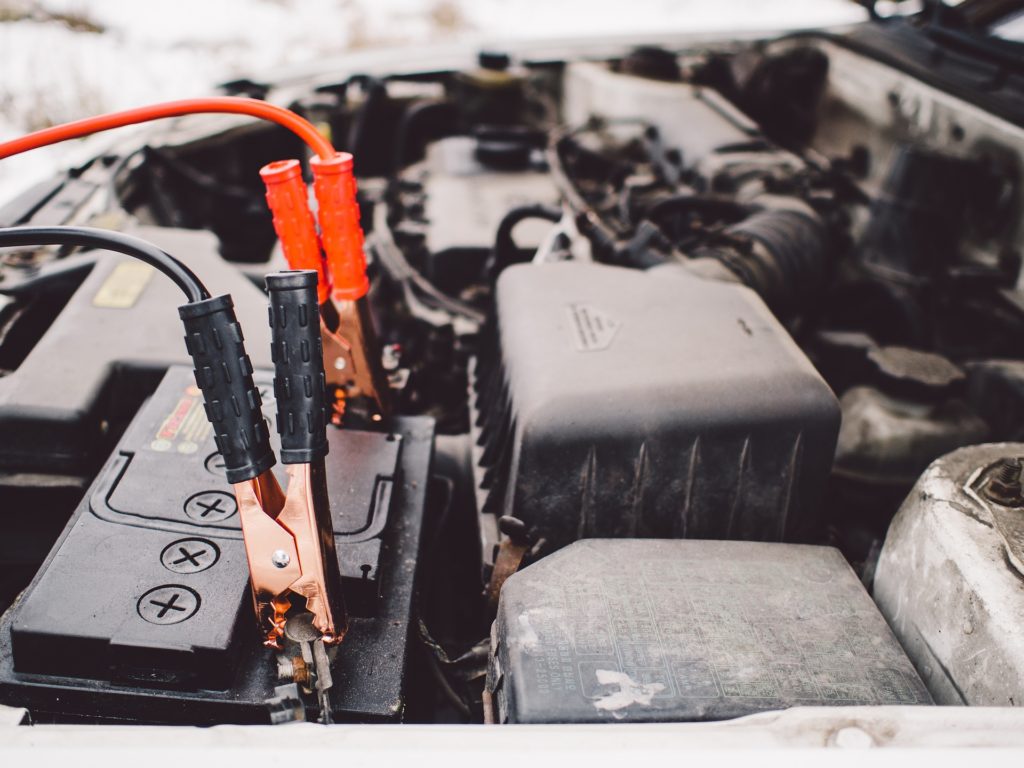
Running out of charge is not the most common EV problem, but it is one of the most memorable.
If you are reviewing your policy, it is worth looking at your breakdown arrangements too. Check what happens if your car cannot continue because of an electrical issue, a flat battery or a charging-related fault, and whether recovery is included to a suitable destination.
If you need a separate breakdown option, T&R Direct also offers RAC breakdown insurance.
A more careful comparison
Electric cars can be great to live with. But from an insurance point of view, they are not always priced in quite the same way as petrol or diesel cars.
The reason is usually not hype – it is the practical cost of repair time, battery assessment, specialist diagnostics and the occasional difficult write-off decision.
So when you compare EV insurance, slow down for a minute and check the details that really matter: battery wording, charging equipment, courtesy-car terms, mileage, excesses and the total level of cover.
And if you would like help reviewing your options, you can contact T&R Direct for a quote.
Insurance is subject to terms, conditions, exclusions and eligibility criteria. Cover for batteries, charging equipment, courtesy cars and breakdown-related incidents varies by insurer and policy wording.


About The Author: Penny
More posts by Penny