
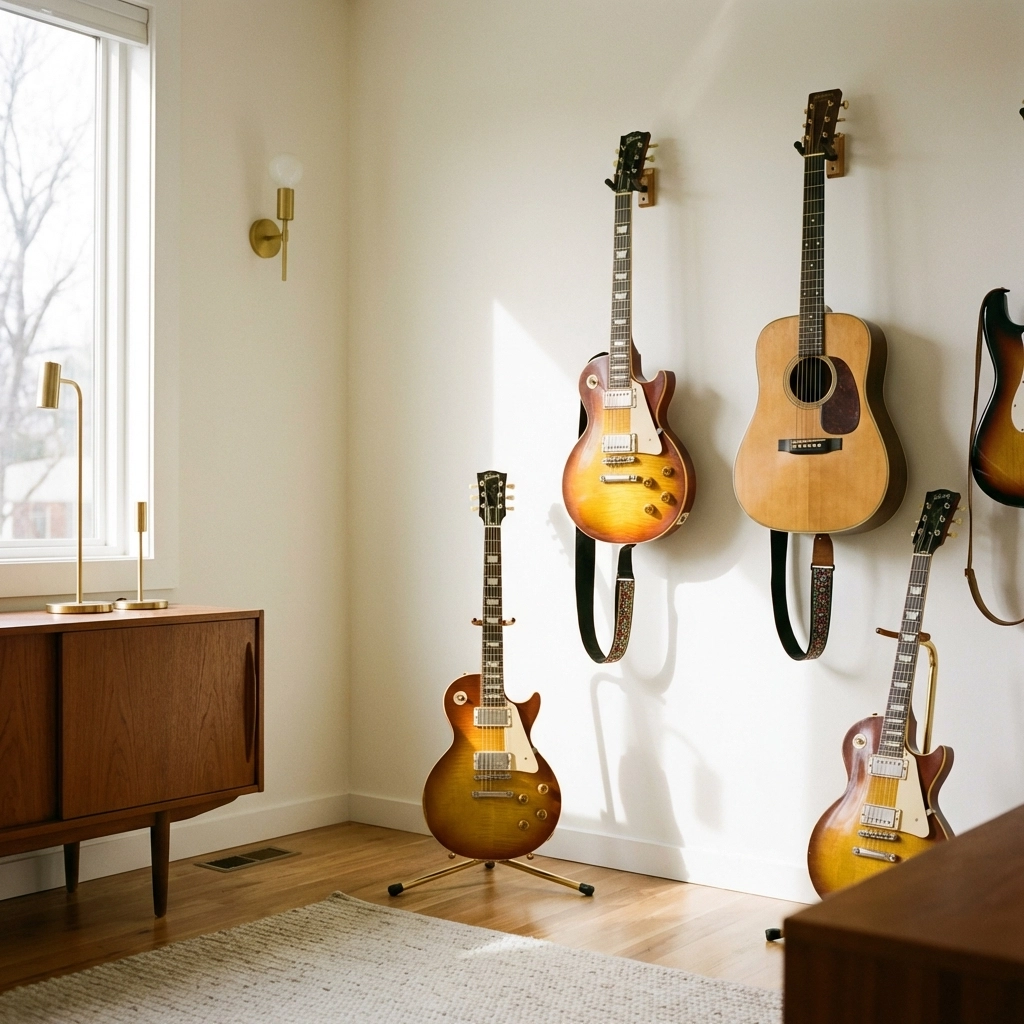
There's something rather special about a vintage instrument. Maybe it's a 1959 Les Paul that's been lovingly passed down through generations. Perhaps it's a Victorian-era cello with a tone that modern instruments just can't replicate. Or it could be a collection of vintage synthesisers that would make any electronic music enthusiast weak at the knees.
Whatever your passion, if you've invested in vintage musical instrument collections, you've probably spent more time than you'd care to admit researching provenance, comparing prices, and making sure you're getting the real deal. But here's a question that might keep you up at night: have you spent anywhere near that amount of time checking whether your insurance actually covers them properly?
If you're relying on standard home insurance to protect your collection, the honest answer is probably "no." And that's a problem worth addressing.
The Uncomfortable Truth About Standard Home Insurance
Let's be blunt. Standard home insurance wasn't designed with your vintage Martin acoustic or pre-war Gibson archtop in mind. It was built to cover the average household – sofas, televisions, the odd bit of jewellery, and maybe a laptop or two.
The moment you introduce items that appreciate in value, require specialist care, and might occasionally leave the house for a gig or recording session, things start to get complicated. And by complicated, we mean your cover might have more holes in it than a moth-eaten tweed amp cover.
Coverage Limits: The Numbers Don't Add Up
Here's where it gets properly frustrating. Most standard homeowners policies come with aggregate limits for personal property – and individual item caps that can be surprisingly low.
Imagine your policy covers £150,000 for all your personal belongings. Sounds generous, right? But if just one vintage guitar in your collection is worth £50,000, you've suddenly only got £100,000 left to cover literally everything else you own. Your furniture, electronics, clothing, artwork – the lot.
It gets worse. Many policies have per-item limits of just £1,500 to £2,500 for "valuables." That might cover a decent modern instrument, but a vintage piece? Not even close. You could end up with a payout that wouldn't even cover the case it came in.
For anyone seriously investing in high value home insurance, this is a critical gap. Your vintage instrument collections deserve the same considered approach you'd give to fine art or antique furniture – not an afterthought buried in generic small print.
What Your Policy Actually Covers (And What It Doesn't)
Standard home insurance typically operates on what's called a "named perils" basis. That means you're only covered for specific risks that are explicitly listed in your policy document. Fire? Yes. Theft? Usually. Vandalism? Probably.
But here's what often isn't covered:
- Temperature and humidity damage – Vintage instruments are notoriously sensitive to environmental changes. A heatwave or a particularly damp winter can cause irreversible damage to wood, finish, and structural integrity.
- Accidental damage – Knocked your prized violin off its stand during a moment of enthusiasm? Standard policies often won't help.
- Water damage from gradual leaks – If that slow drip from upstairs finally reaches your instrument room, you might be in trouble.
- Transit damage – Moving your collection to a new home? Good luck claiming if something gets damaged en route.
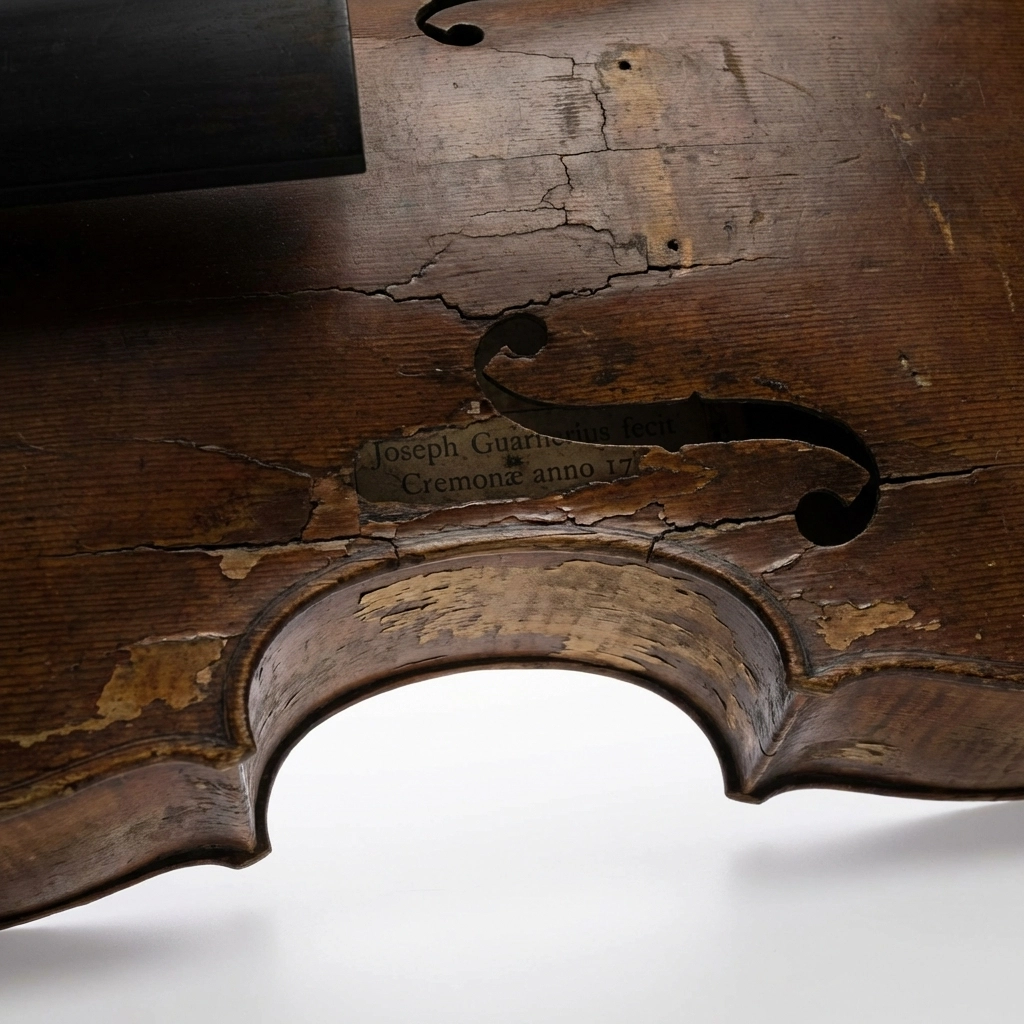
For instruments that might be decades or even centuries old, these exclusions represent serious vulnerabilities. A vintage piece isn't just valuable in monetary terms – it's often irreplaceable.
The Professional Use Problem
This one catches a lot of people out. If you ever – and we mean ever – use your vintage instrument for paid work, your standard home insurance might simply refuse to pay out.
Play a wedding gig with your '57 Stratocaster? Teach a few lessons using your vintage Steinway? Record a session at a friend's studio for a bit of cash? In the eyes of many standard policies, that instrument has crossed the line from "personal possession" into "business equipment."
And business equipment? That's a completely different kettle of fish. Your home insurance was never designed to cover it, and trying to claim could result in your entire policy being voided.
For musicians in the UK – whether professional or semi-professional – this creates a genuine dilemma. You need music insurance UK that understands the reality of how instruments are actually used, not an inflexible policy written for people who keep everything safely locked away.
Location, Location, Location
Your standard home insurance does exactly what it says on the tin: it covers your home. The moment your vintage instrument leaves your front door, you're often on your own.
Taking your collection to a rehearsal space? Not covered. Lending a piece to a fellow musician? Not covered. Exhibiting at a vintage instrument show? You guessed it – not covered.
Even temporary storage can be problematic. If you're having work done on your house and move your instruments to a friend's garage, many policies won't extend protection to that new location.
For anyone with vintage musical instrument collections, this location restriction is a significant limitation. Instruments are meant to be played, displayed, and – occasionally – transported. A policy that only works while they're gathering dust at home isn't much use.
The Solution: Specialist Cover and Agreed Value
So what's the answer? In a word: specialisation.
Dedicated musical instrument insurance policies are designed specifically to address the gaps we've outlined. They understand that vintage instruments appreciate in value, need to travel, and might occasionally earn their owners a bit of money.
The key feature to look for is agreed value cover. Unlike standard policies that pay out based on depreciation or current market value (which can be subjective and contested), agreed value policies establish upfront exactly what your instrument is worth. If the worst happens, that's what you get – no arguments, no lengthy valuations, no disappointment.
Other benefits of specialist music insurance UK policies typically include:
- All-risk cover – Protection against a much wider range of scenarios, including accidental damage and environmental factors
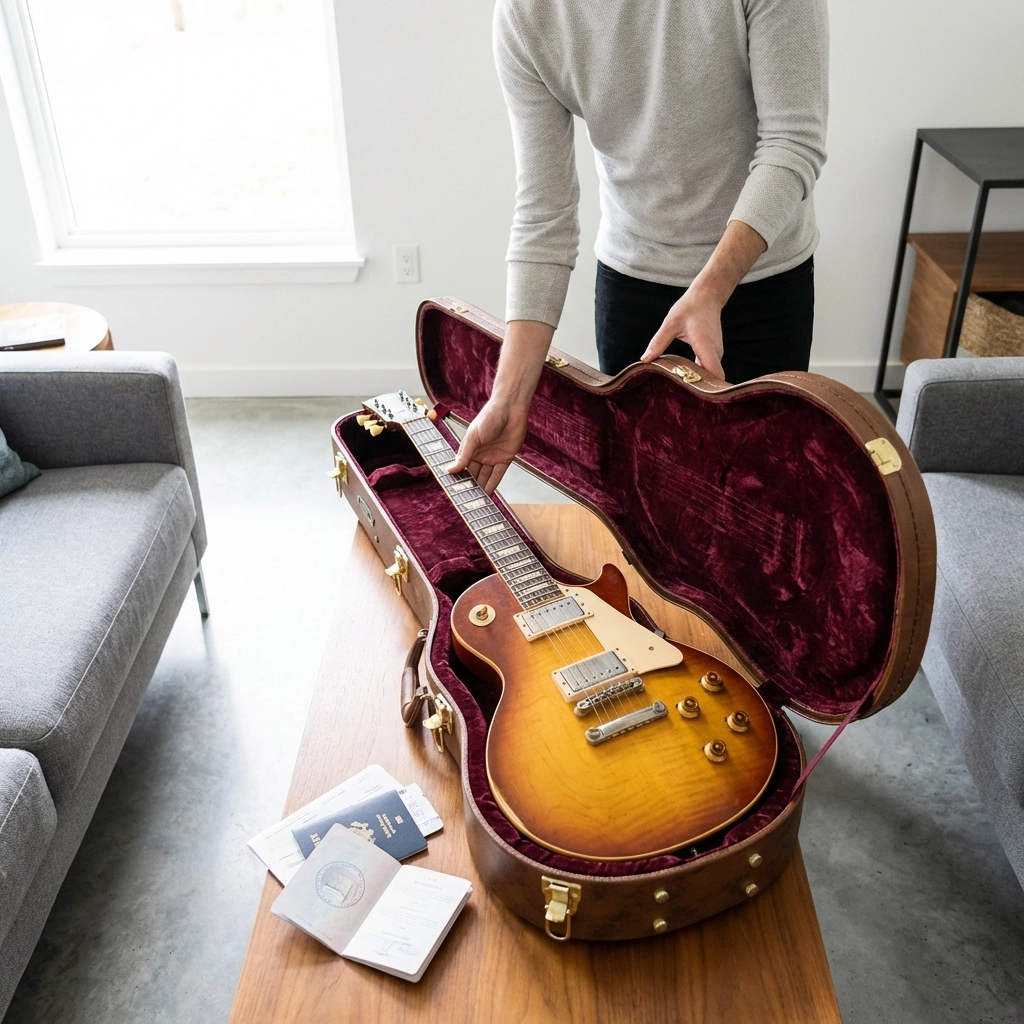
- Worldwide coverage – Your instruments are protected wherever they go, not just at home
- Professional use included – Whether you're gigging, teaching, or recording, you're still covered
- Lower deductibles – Specialist insurers often offer more favourable excess amounts because they understand the market
Bridging the Gap
If you've got valuable instruments alongside other high-value items in your home – artwork, jewellery, antiques – it's worth thinking about your insurance holistically. High value home insurance from a specialist provider can often accommodate instrument collections as part of a broader policy, ensuring everything's properly protected without the awkward gaps and exclusions of standard cover.
At T&R Direct, we understand that protecting what matters means understanding what you actually own and how you use it. Whether you're a serious collector, a working musician, or simply someone who appreciates the finer things in sound, your insurance should work as hard as you do.
For more tips on getting your home insurance right, check out our advice guide – and if you're ready to talk about specialist cover for your collection, get in touch.
Your vintage instruments have survived decades – sometimes centuries – of history. Make sure they're protected for decades more.


About The Author: Penny
More posts by Penny