
It’s no secret that the weather has been acting a bit strangely lately. If you’ve spent any time watching the news or simply looking out of your window over the last few months, you’ll have noticed that "unprecedented" rainfall seems to be happening… well, quite a lot. For landlords, this isn’t just a matter of remembering an umbrella; it’s a significant shift in how we manage property.
As we move through 2026, the landscape for property owners has changed. Flooding isn't just a concern for those with a river at the bottom of the garden anymore. With shifting weather patterns and new regulations coming into play, staying ahead of the curve is the only way to protect your investment and your tenants. So, let’s take a look at why flood risk planning needs to be at the top of your to-do list this year.
The Rising Tide of Risk
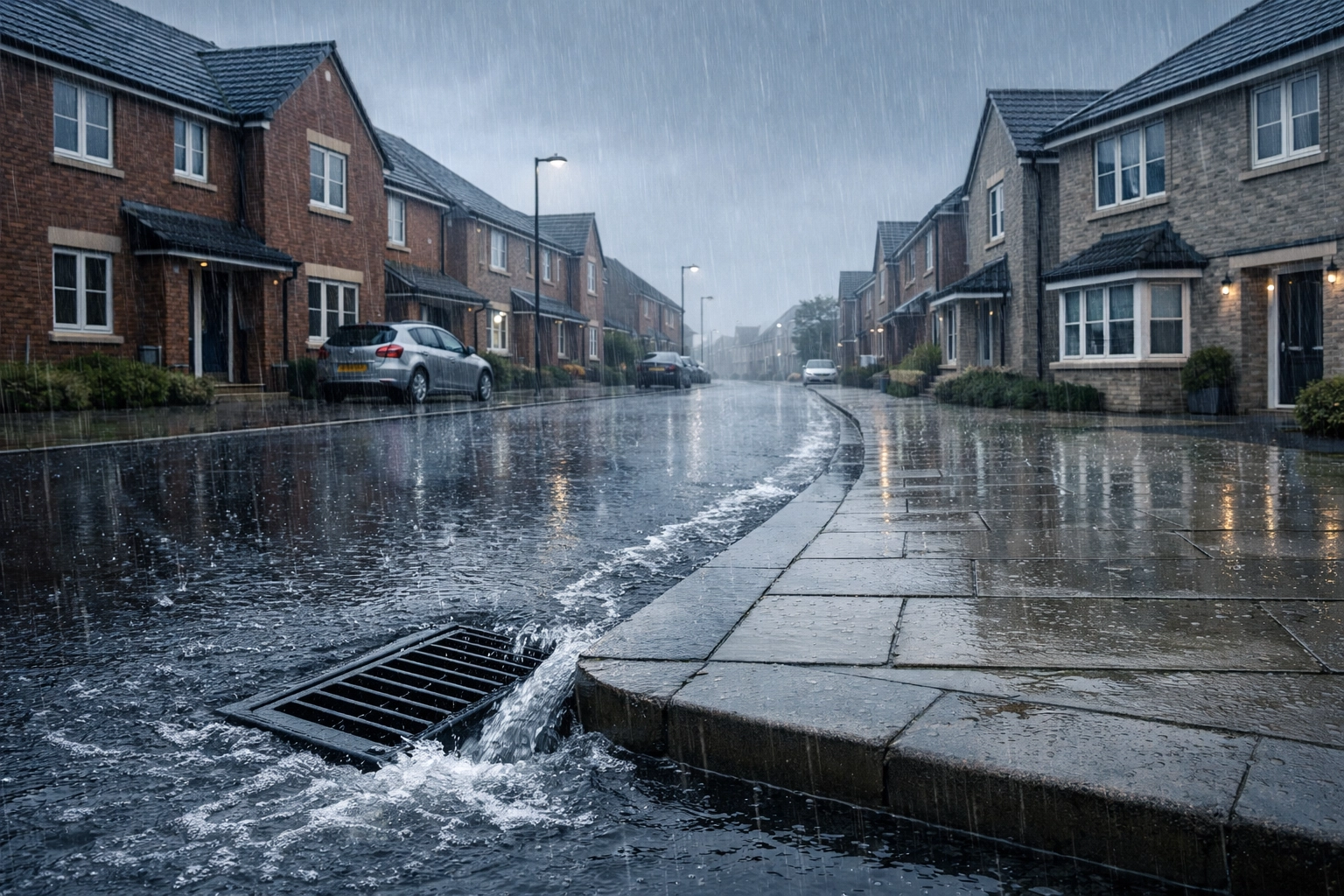
You might think your property is safe because it’s not in a traditional flood zone, but the data suggests otherwise. Recent studies indicate that flood damage risks are accelerating, with some estimates suggesting a 26% increase in damage potential over the next few decades. This isn't just about rising sea levels – it’s about flash flooding and drainage systems that simply can’t keep up with the modern climate.
Interestingly, a huge chunk of flood claims actually come from areas previously designated as "low risk." It seems the old maps aren't quite keeping pace with the reality on the ground. For a landlord, this means you can’t rely on what the surveyor said ten years ago. A property that was bone-dry in 2016 might find itself in a very different position in 2026.
The "Insurance Gap" Problem
Here is a bit of a reality check: many landlords assume their standard policy covers everything. But, as many have found out the hard way, standard commercial property insurance or residential landlord policies can sometimes have specific exclusions or high excesses when it comes to flood damage.
In 2026, the financial exposure is higher than ever. If a property is flooded, you aren't just looking at the cost of drying out the carpets. You’re looking at structural repairs, potential mould remediation, and the loss of rental income while the property is uninhabitable. Without the right insurance in place, these costs can easily spiral into tens of thousands of pounds – and that’s a heavy hit for any portfolio to take.
It’s worth checking your policy documents today. Look for the "flood" section and see exactly what is covered – and more importantly, what isn't. If you’re unsure, it’s always better to ask now than when you’re standing in six inches of water.
New Legal Obligations
The world is getting stricter about disclosure. We’ve seen a wave of new legislation across the globe – and closer to home – requiring landlords to be much more transparent about flood risks. In many jurisdictions, it’s now a legal requirement to provide a specific flood disclosure document to prospective tenants before they sign a lease.
This isn't just a "nice to have" bit of paperwork. If you fail to disclose known flood risks or previous incidents, and the property subsequently floods, you could be facing serious legal disputes. Tenants in 2026 are more aware of their rights, and they may have grounds to seek compensation or break their lease if they weren't properly informed.
Being honest about the risk doesn't necessarily mean you'll lose a tenant. In fact, showing that you have a plan in place can actually build trust. It’s about being professional and proactive rather than reactive.

Physical Mitigation: Thinking Ahead
If you know a property is at risk, or even if you just want to be extra careful, physical mitigation is your best friend. Gone are the days when a few sandbags were the only solution. Today, there are some clever ways to "flood-proof" a rental without making it look like a fortress.
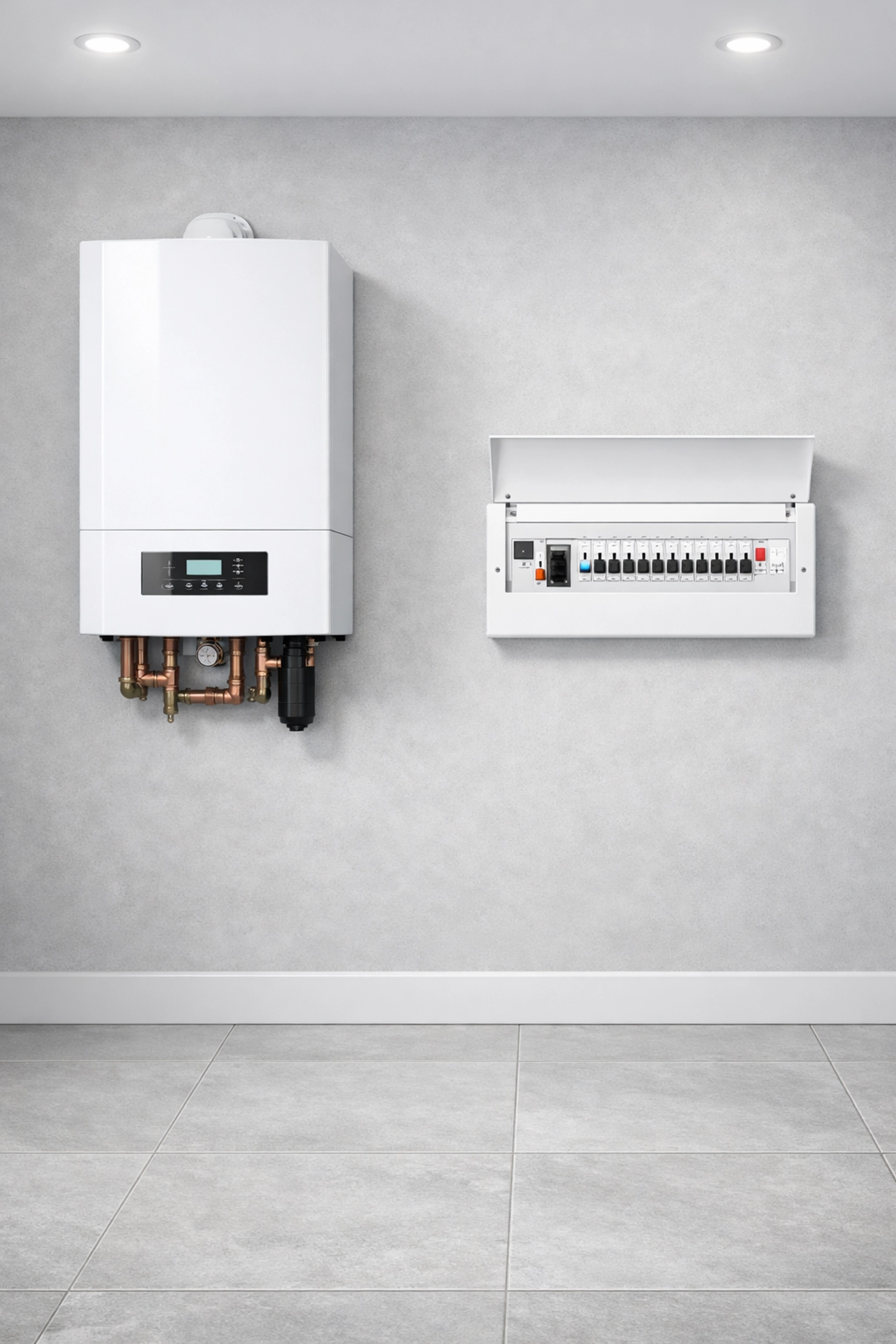
- Elevate the Essentials: Think about your utilities. Moving electrical panels, boilers, and laundry machines even just a foot or two higher can be the difference between a minor inconvenience and a total loss.
- Smart Material Choices: When it’s time to renovate, consider using water-resistant materials on the ground floor. Think porcelain tiles instead of laminate, or paperless drywall that doesn't soak up moisture like a sponge.
- Flood Openings: For properties with crawlspaces, installing flood vents can allow water to flow through the foundation, equalising pressure and preventing the walls from buckling.
- Better Drainage: Sometimes the simplest fixes are the best. Make sure the soil is sloped away from the house and that downspouts are doing their job – and not just dumping water right next to the foundation.
And don’t forget the smaller things. Something as simple as a faulty washing machine hose can cause "mini-floods" that are just as annoying. Keeping an eye on the plumbing is just as important as watching the river levels.
The Tenant Factor
Your tenants are your eyes and ears on the ground. It’s important to remember that while you own the bricks and mortar, they own everything inside it. This is where tenants insurance comes into play.
Many tenants mistakenly believe that your landlord insurance covers their personal belongings. It doesn't. Making sure they understand this is part of being a responsible landlord. Encourage them to take out their own contents cover to protect their furniture, electronics, and even that wedding ring that might otherwise disappear down a drain during a clean-up.
You should also have a "flood plan" for your tenants. Do they know where the stopcock is? Do they know who to call in an emergency? Giving them a simple one-page guide can save everyone a lot of stress (and money) if the worst should happen.
Digital Mapping and Assessments
Don’t just take the old FEMA or Environment Agency maps as gospel. In 2026, we have access to some incredible digital tools. There are independent climate risk analyses available that can give you a much more granular view of your property’s specific risk profile.
It’s worth spending a little time doing some research on our articles page or using online mapping tools to see how things have changed in your local area. You might be surprised to find that a "safe" street is now considered a high-risk zone due to changes in urban drainage or local development.
Conclusion: Don't Wait for the Rain
The theme for landlords in 2026 is "preparedness." The climate is changing, the laws are changing, and the insurance market is adapting to match. By taking a proactive approach – whether that’s upgrading your property’s defences, being transparent with your tenants, or ensuring your insurance is up to scratch – you’re not just protecting a building; you’re protecting your livelihood.
Floods are stressful, messy, and expensive. But they don't have to be a disaster. With a bit of planning and the right advice, you can navigate the rising tides of 2026 with confidence. So, take a look at your portfolio today. Is there a property that needs a second look? A policy that needs a refresh? A tenant who needs a quick chat about contents cover?
Staying alert doesn't mean being afraid – it just means being ready. And in the world of property management, being ready is half the battle.





About The Author: Penny
More posts by Penny