
Category: General Insurance
Owning a home that stands out from the crowd is a dream for many. Whether it’s a chocolate-box thatched cottage in the Cotswolds, a sleek converted warehouse in East London, or a house built entirely of eco-friendly timber, unique properties have a character that a modern new-build housing estate simply can’t match.
But while your home’s quirks make it special, they can also make it a bit of a headache when it comes to insurance. If you’ve ever tried to get a quote on a standard comparison site for a property with a flat roof or a Grade II listing, you’ve probably seen the dreaded "we cannot provide a quote" message. It’s frustrating, isn’t it? It feels like the industry is penalising you for having good taste.
At T&R Direct Insurance Services, we believe that unique homes deserve unique protection. Standard policies are designed for "standard" homes, usually brick-built with tiled roofs. When your home breaks that mould, you need a non-standard specialist.
What is "Non-Standard"?
You might be surprised at what the insurance world considers non-standard. It isn’t just limited to castles or windmills. In the UK, a property is usually labelled non-standard if its construction materials, location, or usage falls outside the "norm."
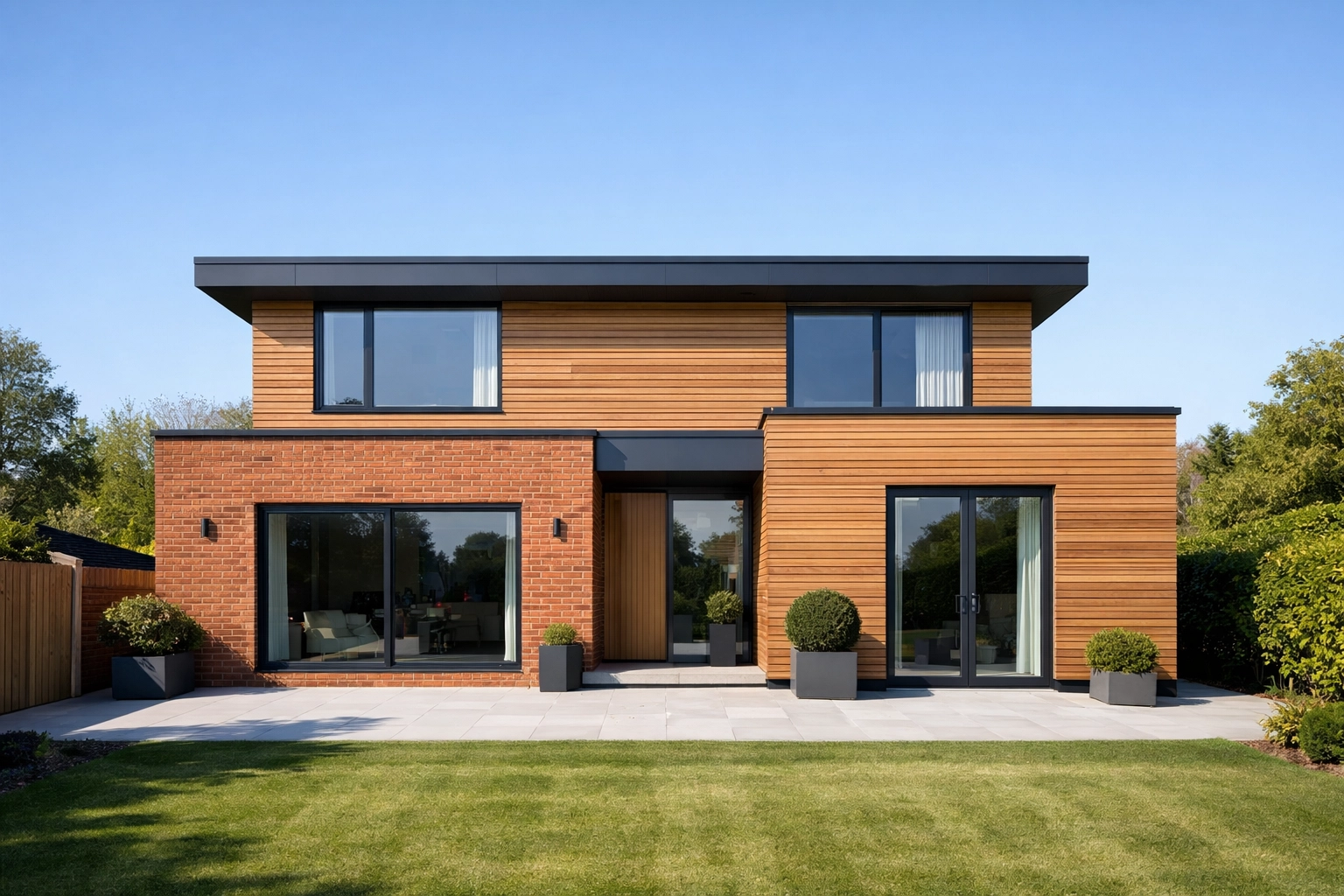
For example, if your home has a significant portion of flat roofing, many mainstream insurers will see it as a higher risk for leaks or storm damage. Similarly, timber-framed houses, while beautiful and increasingly popular for their sustainability, can be a sticking point for insurers worried about fire risk or longevity.
It isn't just about the walls and the roof, either. If you use your property for business, or if you are looking for landlord insurance for a property that isn't a typical terrace or semi, you’re entering the realm of specialist cover.
The Listed Building Challenge
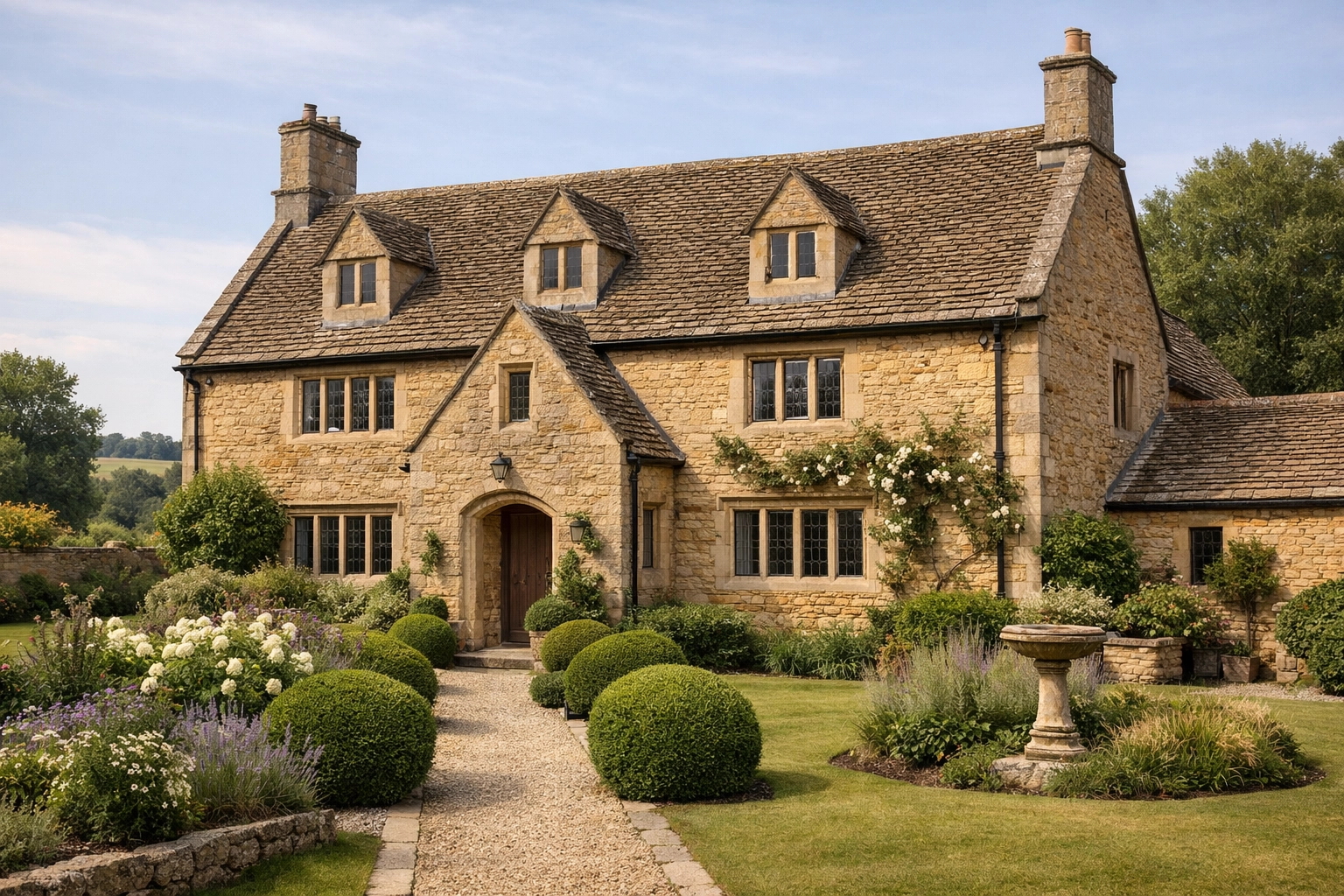
If you are lucky enough to live in a listed building, you are essentially a custodian of British history. Whether it’s a Tudor farmhouse or a Victorian terrace, these buildings come with strict legal requirements. If the worst happens, say, a fire or a major flood, you can’t just pop down to the local DIY store for replacement materials.
The local planning authority will often insist that repairs are carried out using traditional methods and authentic materials. This could mean sourcing lime mortar, hand-knapped flints, or specialist timber. As you can imagine, this makes the cost of rebuilding significantly higher than a modern equivalent.
Standard home insurance often underestimates these "reinstatement costs." This is where the right cover becomes essential. You need a policy that understands the true value of heritage craftsmanship, ensuring you aren't left with a massive bill because your sum insured was too low.
Specialist Partnerships
Because non-standard properties require a more nuanced approach, we’ve spent years building relationships with the best in the business. We don’t just look at a computer-generated "risk score." Instead, we work with specialist partners like Pen Underwriting, Zurich, and Hiscox.
These companies are the heavyweights of the specialist insurance world. They have the expertise to look at a "weird" property and understand exactly what the risks are, and more importantly, how to mitigate them. By partnering with these providers, T&R Direct can offer bespoke solutions that mainstream providers simply can't match.
Whether it's a high-value home with expensive art collections or a property with a history of subsidence, these partnerships allow us to find a home for almost any risk. We know that finding the right price is important, but it should never come at the expense of proper protection.
Materials Matter: From Thatch to Timber
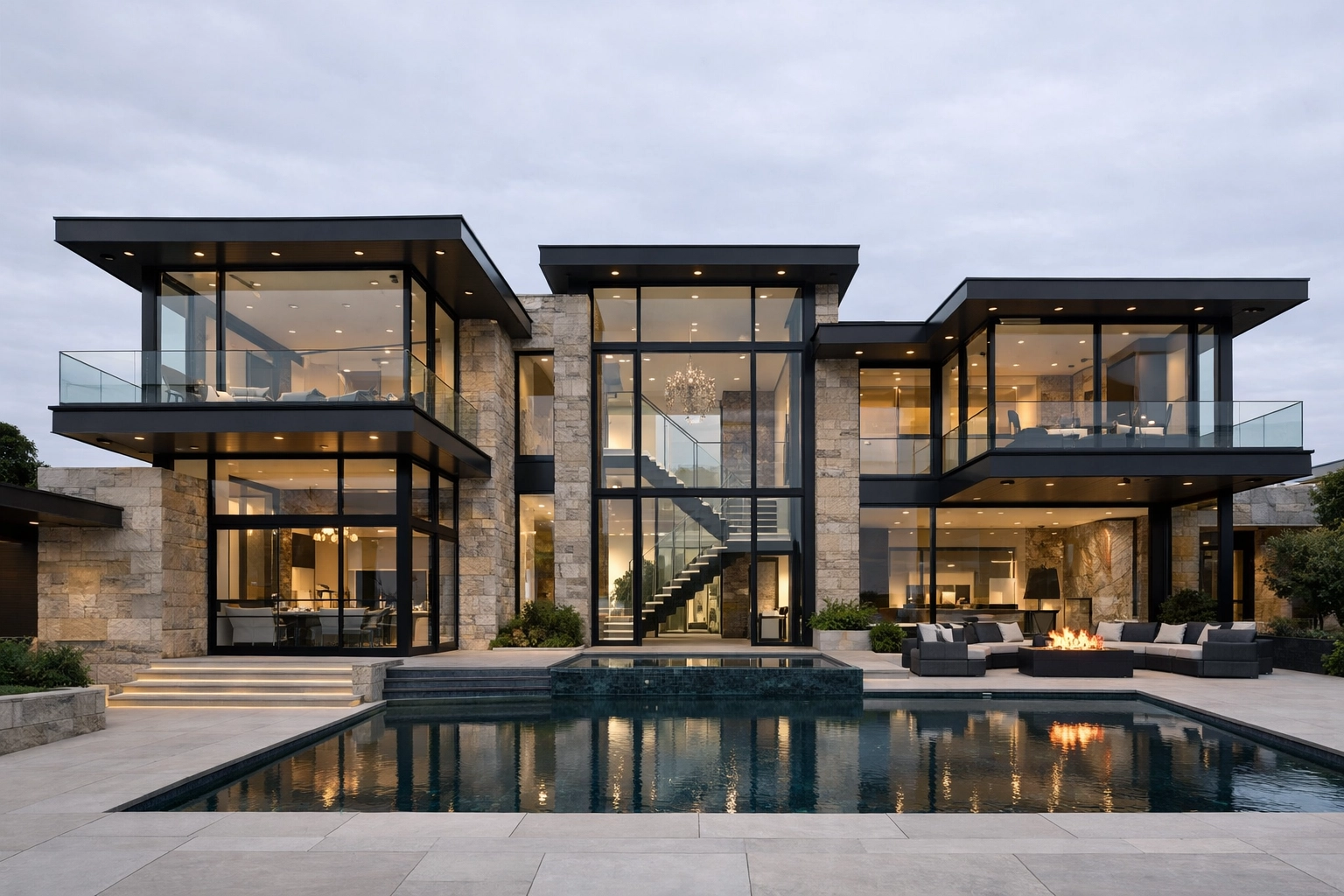
Let’s talk about thatching. There is nothing more quintessentially British than a thatched roof, but for an insurer, it’s a high-stakes game. The risk of fire is the primary concern, and insurers will often require specific safety measures, such as spark arrestors on chimneys or regular electrical inspections.
Then there are modern "non-standard" materials. We are seeing more homes built with "Modern Methods of Construction" (MMC). These can include modular homes built in factories and assembled on-site, or properties with high-tech eco-cladding. While these are the future of housing, the insurance industry is still catching up.
If you’re living in a property that isn't brick and mortar, you need to be upfront. It’s worth checking the small print to ensure your specific construction type is explicitly covered. The last thing you want is to find out your policy is void because you didn't mention the steel frame or the shingle roof.
Landlords and Commercial Use
Property owners who rent out unique spaces face a double challenge. You need the protection of landlord insurance, but you also need to account for the non-standard nature of the building.
Perhaps you’ve converted an old chapel into a luxury Airbnb, or maybe you own a commercial property with a flat roof that houses multiple small businesses. Standard commercial insurance might miss the nuances of these older or oddly-shaped buildings.
At T&R Direct, we specialise in bridging that gap. We look at the usage of the building alongside its physical structure. If your property is unoccupied for long periods, perhaps it’s a holiday home or it’s undergoing a major renovation, standard policies usually stop providing full cover after 30 or 60 days. A specialist policy ensures that you stay safe as houses even when the building is empty.
The Cost of Getting it Wrong
It’s tempting to try and "fudge" the details on a quote form to get a cheaper price. You might think, "Well, the roof is mostly tiled, so I’ll just say it’s standard." But insurance is a contract of utmost good faith. If you misrepresent the construction of your home, even unintentionally, your insurer could refuse to pay out in the event of a claim.
Imagine a scenario where a heavy storm damages your flat roof, causing thousands of pounds of water damage to your interior. If your policy states the roof is 100% slate but it’s actually 30% felt, you could be left high and dry. It’s a classic "penny wise, pound foolish" situation.
We always tell our clients: don't wait for a disaster to find out your insurance isn't fit for purpose. A specialist broker like T&R Direct acts as your advocate, making sure the insurer knows exactly what they are covering from day one.
Tips for Insuring the Unusual
If you are currently looking for cover for a non-standard property, here are a few things to keep in mind:
- Know Your Materials: Do you know what your walls are made of? Is it cob, timber frame, or stone? Knowing the exact percentage of your flat roof is also vital.
- Get a Proper Valuation: For listed buildings, a standard market valuation isn't enough. You need a "rebuilding cost" valuation, which accounts for specialist labour and materials.
- Maintain Your Records: If you’ve had specialist work done: like a re-thatch or a roof treatment: keep the receipts and certificates. Some insurers will require proof of maintenance.
- Security Counts: Non-standard homes can sometimes be more vulnerable or located in isolated areas. Investing in high-quality locks or an alarm system can help lower your premiums.
- Be Honest About Use: If you work from home and have clients visiting, or if you rent out a room on a short-term basis, tell your broker.
For more detailed guidance, it’s worth looking at our tips and advice when looking for house insurance.
Why T&R Direct?
You might be wondering why you should use a broker instead of just calling a big-name insurer directly. The answer is simple: choice and expertise.
When you call a single insurance company, they can only offer you their own products. If your house doesn't fit their specific "box," they’ll either decline you or charge a premium that’s sky-high because they don't really want the risk.
As brokers, we have access to a wide panel of specialist underwriters. We can compare the offerings from Pen, Zurich, Hiscox, and others to see who offers the best fit for your specific circumstances. We speak the language of insurance so you don’t have to. We can explain the difference between "indemnity" and "new for old," and make sure you understand any exclusions before you sign on the dotted line.
We also understand that life happens. If you’ve had previous claims or if your property is in an area prone to specific issues, we can help. For instance, if you are worried about environmental factors, you might find our articles on how flooding impacts insurance or how climate change affects premiums quite useful.
Final Thoughts
Your home is likely your most valuable asset, and if it’s a non-standard property, it’s also a piece of your personality. Protecting it shouldn't be a "square peg in a round hole" exercise.
By choosing a specialist approach, you aren't just buying a piece of paper; you’re buying peace of mind. You’re ensuring that if the unthinkable happens, your unique home can be restored to its former glory without a financial catastrophe.
If you’re struggling to find cover that understands your home as well as you do, give us a call. Whether it’s a commercial venture or your forever home, T&R Direct is here to help you find the protection you deserve.
Remember, every house has a story: make sure yours has a secure future. For more tips on keeping your costs down while maintaining great cover, check out our 5 tips for cheaper home insurance. It’s all about being smart with your choices and working with experts who know the market inside out.





About The Author: Penny
More posts by Penny