
If you’ve ever stood on a street corner in a Yorkshire village or attended a gala in Durham, you’ll know that the sound of a brass band is essentially the heartbeat of the UK’s industrial and cultural heritage. It’s a sound that evokes tradition, community, and: for those playing: a huge amount of hard work.
As we move through 2026, we’re seeing a bit of a "brass band renaissance." More people are joining community ensembles, looking for that sense of belonging and the sheer joy of making music together. But while the music might be timeless, the financial reality of running a band in the current climate is changing fast. From the soaring costs of raw materials like copper to the risks of traveling to national competitions, your instruments and your organisation are facing modern challenges that old-school "gentleman's agreements" might not cover.
The true cost of the "Big Shiny"
Let’s be honest: high-quality brass instruments have never been cheap. But lately, you might have noticed the price tags on new gear creeping up. This isn't just standard inflation; it’s driven by the global market for the materials that make your instruments sound so good.
Most professional-grade brass instruments are made from alloys of copper and zinc. In the last couple of years, the prices of these base metals have fluctuated wildly. When the cost of raw copper spikes, the price of a new, top-tier tuba or a bespoke tenor horn follows suit. We’re now looking at professional tubas that can easily retail for over £10,000, and even a standard cornet for a youth player can set you back £1,000 to £2,000.
If your band’s equipment was last valued five or six years ago, it’s highly likely you are under-insured. If the unthinkable happened: a fire at the band room or a theft from a van: the payout from a dated policy might only cover two-thirds of the cost to replace your kit with like-for-like quality. It’s worth checking the small print to see if your current policy is based on "market value" or "new for old" replacement.

More than just instruments
When we talk about brass band insurance, we aren't just talking about the shiny things in the cases. A historic UK band often carries a wealth of "hidden" assets that are difficult to replace:
- Sheet Music Libraries: Some bands have archives dating back over a century, containing rare arrangements or original manuscripts.
- Banners and Trophies: These are the pride of the band. A hand-stitched silk banner can cost thousands of pounds to replicate, and many trophies are literally irreplaceable pieces of silver.
- Uniforms: Outfitting a full 28-piece band in high-quality tunics and trousers is a massive investment, often reaching £5,000 to £10,000 for a complete set.
If you’re managing the assets of a community group, it’s important to itemise what you have so that nothing is overlooked. A generic policy might cover "contents," but will it cover the bespoke embroidery on your 1920s banner? Probably not without specific mention.
The competition circuit: Risks on the road
The UK brass band scene is built on the thrill of competition. Whether it’s the trek to the National Championships at the Royal Albert Hall or the organised chaos of the Whit Friday marches, bands are constantly on the move.
Travel is where the risk of accidental damage or theft is at its highest. Instruments are hauled in and out of coaches, left in changing rooms, or placed on stands in busy public parks. Standard music insurance UK policies often have "in-transit" clauses that can be surprisingly restrictive.
For example, did you know that some policies won't cover instruments left in an unattended vehicle unless it’s parked in a locked garage overnight? Or that "accidental damage" might not cover a cornet being sat on by a distracted percussionist during a tea break? When looking for band insurance, you need to ensure the "All-Risks" cover extends to travel throughout the UK and, if you’re planning a European tour, abroad as well.
Why "Standard" cover often falls short
It’s tempting to think that your instruments might be covered under your home insurance, or that the band room’s general property insurance is enough. However, standard policies aren't designed for the specific needs of a musician.
Most home insurance policies have a single-item limit: often around £1,500 to £2,500. If your instrument is worth more than that, it simply won't be covered unless it’s specifically named. Even then, the "away from home" cover might be limited to a few weeks a year or have a high excess that makes small repairs (like getting a dent out of a bell) not worth claiming for.
Specialised band insurance understands that these instruments are tools of a trade (even if that trade is a dedicated hobby). It covers things like:
- Public Liability: Essential for any band performing in public. If a music stand falls over and hits a spectator, or a member of the public trips over a tuba case, your band could be held liable.
- Personal Accident: Covering members while they are performing or travelling.
- Loaned Instruments: Many bands own a fleet of instruments that they lend to members. Your insurance needs to follow the instrument, even when it’s living in a player's house.
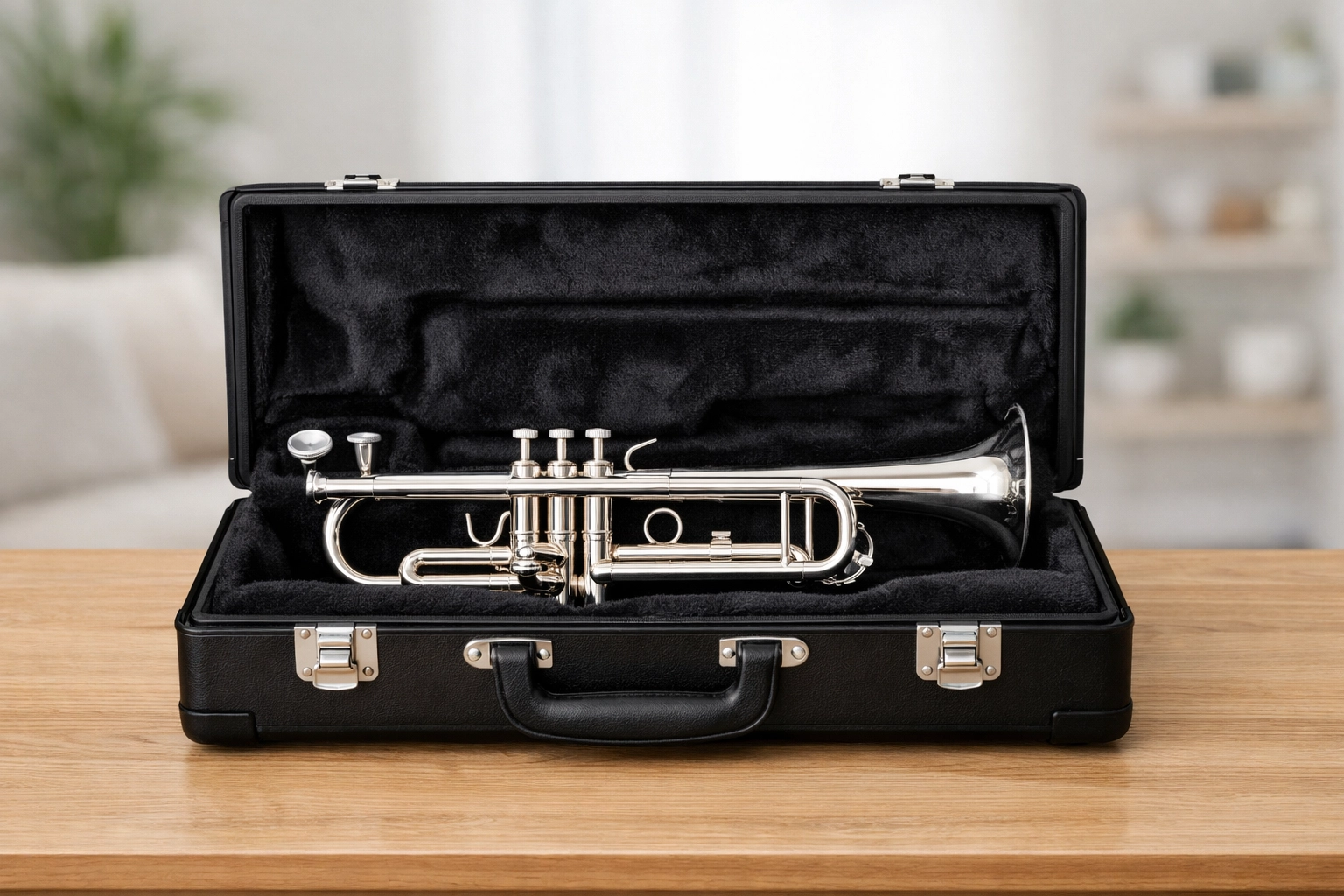
To ensure your group has the right cover for your specific setup, it's always best to speak to someone who understands the niche.
Protecting the heritage of your band room
Many UK brass bands are lucky enough to own their own band rooms: often historic buildings that have been the centre of the community for generations. However, these old buildings come with their own set of insurance headaches.
Old plumbing, aging electrics, and "unique" roofing can make these buildings expensive to insure. And as we’ve seen recently, the UK's weather is becoming more unpredictable. It’s worth considering how flooding can impact your insurance if your band room is located near a river or in a low-lying area.
Regular maintenance is your best friend here. A leaky roof doesn't just damage the building; it creates damp conditions that can ruin woodwind pads (if you have them in your ensemble) and tarnish brass. Keeping the building safe as houses is the first step in protecting the assets inside.
Five tips for band managers in 2026
If you’re the one holding the clipboard for your ensemble, here’s a quick checklist to ensure you aren't leaving the band’s future to chance:
- Conduct an Annual Inventory: Don't just list "28 instruments." Record serial numbers, makes, and models. Take photos of everything, including the condition of cases and uniforms.
- Get Professional Valuations: For high-end instruments (like the £10k tubas we mentioned), a "receipt price" from five years ago isn't enough. Get a current valuation from a reputable music shop.
- Check Your Public Liability: Many venues now require a minimum of £5 million or even £10 million in Public Liability cover before they’ll let you on stage. Make sure yours is up to date.
- Secure the Band Room: If you have £100,000 worth of kit in a shed with a rusty padlock, your insurers will not be happy. Look into staying safe and saving money by improving your security: it can often lead to lower premiums.
- Don’t Wait for a Disaster: It sounds obvious, but many bands only look at their policy after something goes wrong. Don't wait for a disaster to find out you're under-insured.
The community impact
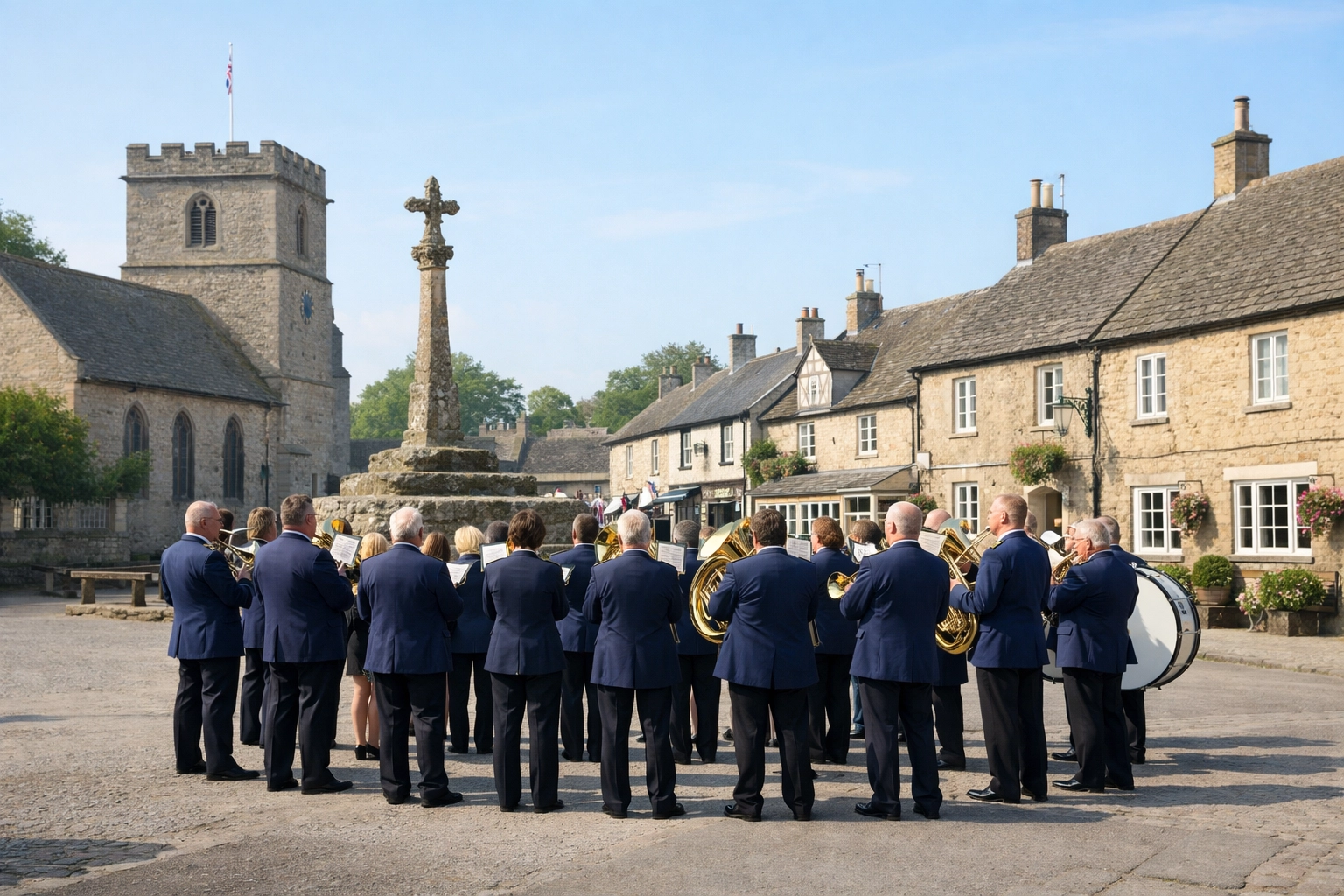
At the end of the day, a brass band is more than the sum of its parts. It’s a support network, a classroom for young musicians, and a link to our past. When a band loses its equipment to fire or theft and isn't properly insured, it's rarely just a financial loss: it's often the end of the band entirely. The cost of replacing a full set of instruments from scratch is simply too high for most community groups to bear.
By taking the time to find specialised music insurance UK that understands the specific nuances of the brass world, you’re doing more than just protecting bits of metal. You’re protecting the next generation of players and ensuring that the sound of the band continues to ring out across the UK for another hundred years.
If you're unsure whether your current arrangements are up to scratch, it's always worth a chat. Whether you're a world-class championship band or a newly formed "training band" for seniors, getting the right advice is the best way to ensure you can focus on what really matters: the music.
Finding the right price for peace of mind
We know that band budgets are tight. Between rehearsal room rent, conductor fees, and the cost of new music, there isn't always a lot left in the pot. But insurance shouldn't be seen as a "grudge purchase." It’s the safety net that allows you to take your band out into the world with confidence.
There are ways to keep costs down without sacrificing cover. For example, many insurers offer discounts for bands that have a high percentage of members who also have their own individual insurance. You can also look for "bulk" policies that cover the whole organisation rather than insuring every piece of kit individually. Finding the right price is about balancing the level of risk you're willing to take with the premium you can afford.
The UK’s brass band heritage is something to be proud of. Let's make sure we keep it safe.
If you’re looking for more tips on protecting your valuables: whether at home or in the band room: feel free to browse our blog for the latest advice and industry news. After all, a little bit of preparation today ensures you’ll be ready for the first beat of the baton tomorrow.





About The Author: Penny
More posts by Penny