
Whether you're gigging in sticky-floored pubs or headlining festivals, your band insurance probably isn't something you think about until something goes wrong. And by then? Well, it's a bit late.
The thing is, most musicians make the same handful of mistakes when it comes to band insurance – and these aren't just minor oversights. We're talking about gaps that could leave you thousands of pounds out of pocket, or worse, personally liable for someone else's injury.
So let's run through the seven most common mistakes we see bands making with their music insurance UK coverage – and more importantly, how to fix them before disaster strikes.
Mistake #1: Assuming the Venue's Insurance Has You Covered
This is probably the most common misconception we come across. You rock up to a venue, they've got public liability insurance plastered on their wall, and you assume you're sorted. Job done, right?
Not quite.
Here's the reality: a venue's insurance policy protects them, not you. If a punter trips over your guitar lead and breaks their wrist, or your bassist's amp somehow sets fire to the curtains, that's on you – not the venue. Their policy won't cover claims made against your band.
The fix: Get your own public liability insurance. It doesn't matter if you're playing to 20 people in a back room or 2,000 at a proper venue. If someone gets hurt or property gets damaged because of something your band did, you need your own cover in place.

Mistake #2: Forgetting About Equipment in Transit
Your gear is covered at home. It's covered at the venue. But what about that dodgy van journey in between?
Many musicians don't realise that standard equipment insurance often excludes damage that happens during transit – particularly if it's caused by a road accident. That £3,000 Les Paul bouncing around in the back of your mate's Transit? If you get rear-ended on the M6, you might find your insurance policy has some very inconvenient small print.
The fix: Check your policy wording carefully. Ask specifically about transit cover and what scenarios are included. Some policies require equipment to be in a locked vehicle, out of sight. Others won't cover vehicle accidents at all – that falls under your motor insurance. Know exactly what's protected and when.
Mistake #3: Underestimating the Value of Your Gear
It's surprisingly easy to undervalue your equipment. You bought that mixer five years ago for £400, so that's what you write down. But what would it cost to replace today? Probably a lot more.
Underinsurance is a sneaky problem. If you've insured your gear for £5,000 but it would actually cost £10,000 to replace everything, your insurer might only pay out a proportion of any claim – even for a partial loss.
The fix: Do a proper inventory. List every piece of equipment, check current replacement costs (not what you paid), and update your policy accordingly. It's worth doing this once a year – gear values can change, and you've probably added bits and pieces without thinking about it.
For more tips on itemising valuables properly, have a look at our guide on what to itemise in the home.
Mistake #4: Skipping Public Liability for "Small" Gigs
"It's just a wedding." "It's only a corporate do in a hotel." "We're playing a mate's birthday party."
Here's the thing – the size of the gig doesn't change your legal liability. If someone trips over your cables at a 50-person wedding reception, you're just as liable as if it happened at a 5,000-seat arena. Actually, smaller events can sometimes be riskier because there's less professional infrastructure in place.
Many venues and event organisers now require proof of public liability insurance before they'll book you – typically £1 million to £5 million of cover. Turn up without it and you might not be playing at all.
The fix: Treat public liability as non-negotiable for every single gig, no matter how small or casual it seems. Annual policies often work out cheaper than buying cover event-by-event, and they ensure you're never caught out.
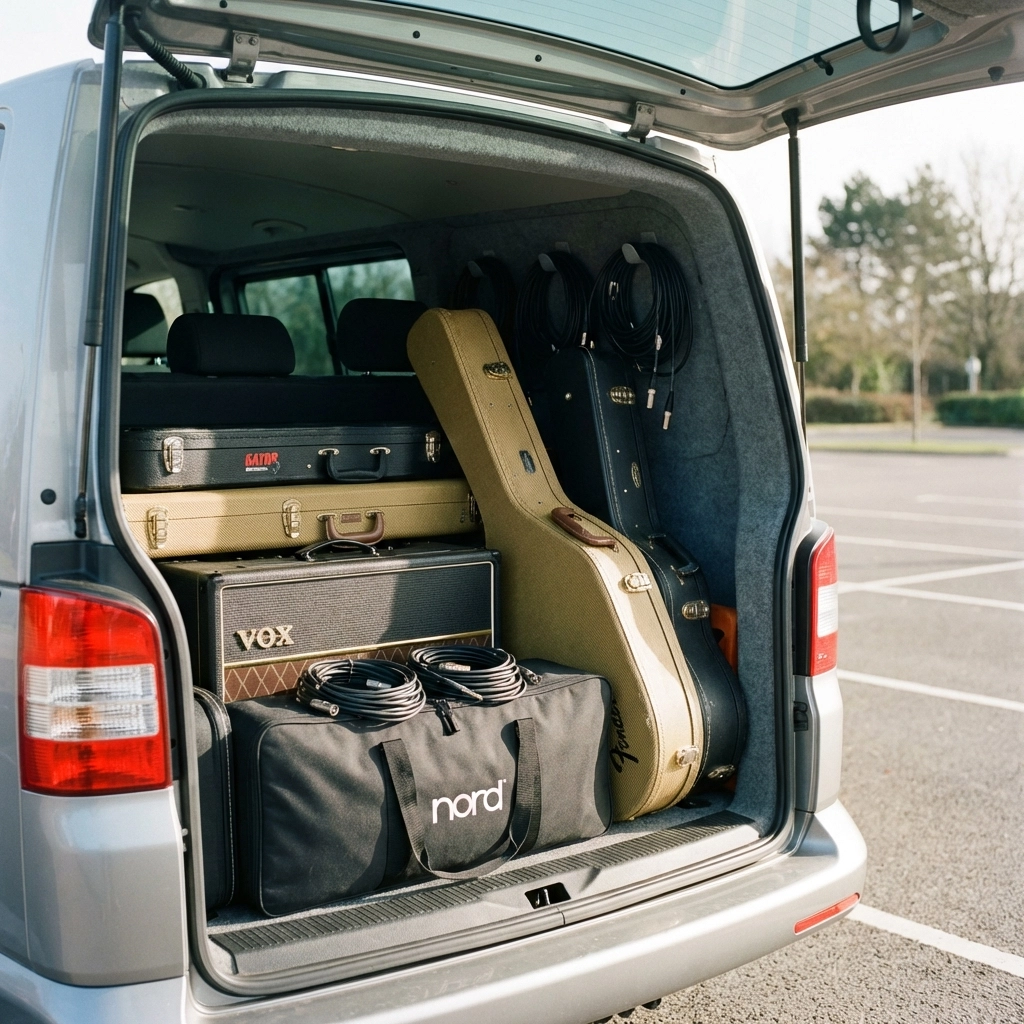
Mistake #5: Not Reading the Policy (Yes, Really)
We get it. Insurance documents aren't exactly page-turners. But skimming through your policy – or worse, not reading it at all – is asking for trouble.
The details matter. What's the excess? Are there geographical restrictions? Does your cover include theft from an unattended vehicle? What about borrowed equipment? These aren't hypothetical scenarios; they're the exact situations where musicians find out their assumptions were wrong.
The fix: Actually read your policy. Make a cup of tea, sit down, and go through it properly. Highlight anything you don't understand and ask your broker to explain. It's far better to ask a "stupid question" now than to discover a gap when you're trying to make a claim.
Our piece on checking the small print goes into more detail on what to look out for.
Mistake #6: Buying Insurance After Something Goes Wrong
This sounds obvious, but you'd be surprised how many musicians only think about insurance after an incident has already happened. Unfortunately, insurance doesn't work like a time machine.
If your keyboard gets nicked from the van tonight and you try to buy a policy tomorrow, that theft isn't going to be covered. Insurance only protects you from future events, not past ones.
The fix: Sort your band insurance before you need it. Ideally, get cover in place before your first rehearsal, let alone your first gig. If you're already gigging without insurance, stop reading and sort it out today. Seriously.
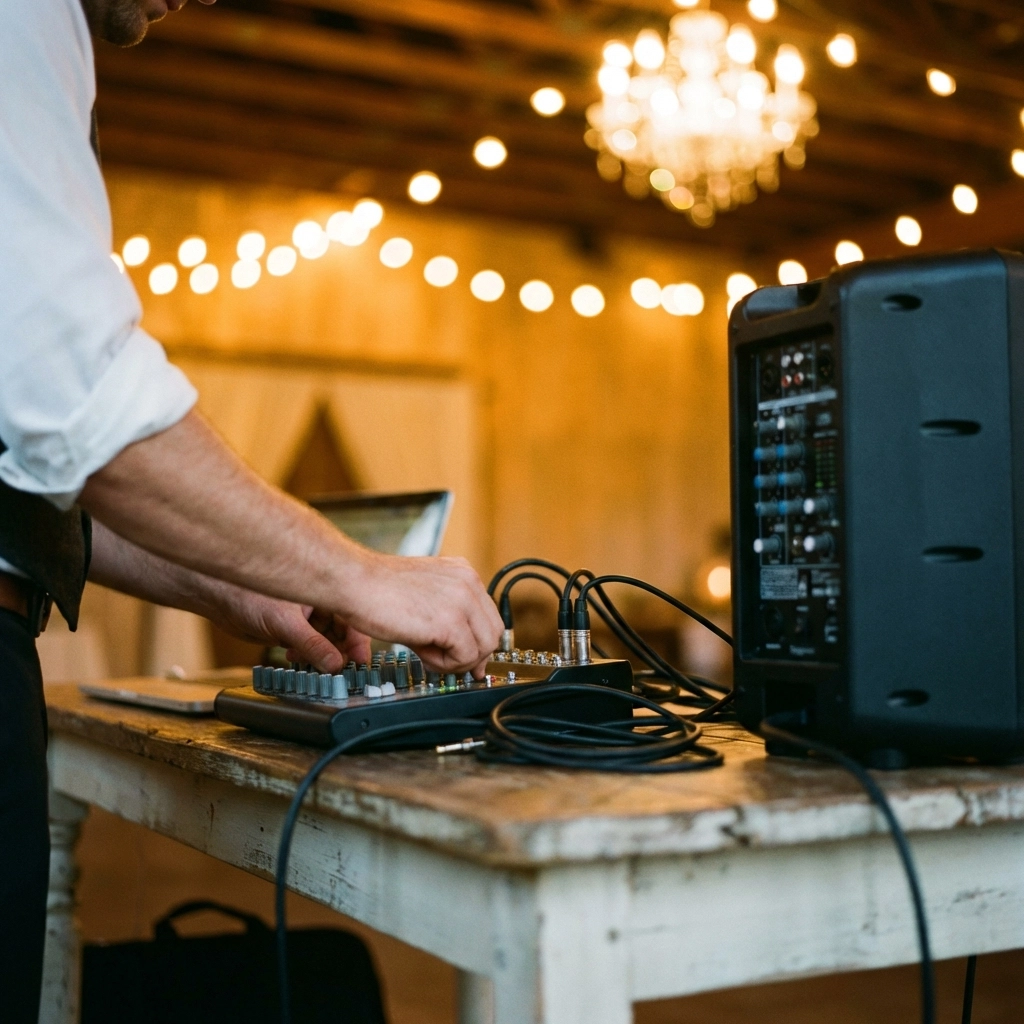
Mistake #7: Not Being Upfront with Your Insurer
Look, we understand the temptation. You might think that mentioning your pyrotechnics habit or that one time a speaker stack fell on someone will push your premiums up. And it might.
But here's what's worse: having a claim denied because you weren't honest on your application. Insurers call this "non-disclosure," and it can void your entire policy. Every gig you thought was covered? Suddenly it wasn't.
The fix: Be completely transparent. Tell your insurer about past claims, any unusual activities (fire-breathing drummer, anyone?), and the full scope of what your band does. Yes, your premium might be higher – but at least you'll actually be covered when something goes wrong.
Getting the Right Cover for Your Band
Band insurance isn't just a box-ticking exercise – it's the safety net that lets you focus on the music without worrying about financial catastrophe. The good news is that avoiding these mistakes isn't complicated. It just requires a bit of thought upfront.
To recap:
- Get your own public liability – don't rely on venues
- Check transit cover – your gear is vulnerable on the road
- Value equipment properly – replacement cost, not purchase price
- Cover every gig – small doesn't mean safe
- Read your policy – know what you're actually paying for
- Buy insurance before you need it – not after
- Be honest – non-disclosure can void everything
If you're not sure whether your current music insurance UK policy has gaps, it's worth having a proper conversation with a specialist broker. Getting the right cover isn't just about ticking boxes – it's about making sure you can keep doing what you love, even when things don't go to plan.
For more guidance on making sure you've got the right cover for your specific situation, we're always happy to help.




About The Author: Penny
More posts by Penny