
The clocks go back on Sunday 25 October 2026. That means darker mornings, earlier sunsets and a greater chance of driving home in rain, glare or near-darkness.
Autumn also brings wet leaves, slippery roads and low sunshine that seems determined to land directly on your windscreen. Winter is not far behind.
Most journeys will be perfectly uneventful. But a few familiar habits can increase the chance of an accident, a fine or a difficult insurance claim. So, before the darker commutes become routine, it is worth checking your car, your driving habits and your policy details.
Start with visibility
A frosty morning can make you want to clear a small patch of windscreen and get moving. But a “letterbox” view is not enough – and it can leave you unable to spot a pedestrian, cyclist or vehicle approaching from the side.
Clear ice and snow from:
- The front and rear windscreens
- Side windows and mirrors
- Headlights and rear lights
- The roof and bonnet
- Number plates
Snow left on the roof can slide forwards under braking or blow into the path of another vehicle. It may also obstruct your own view. The Highway Code’s guidance on driving in adverse weather is a useful reminder to make sure you can see clearly before setting off.
And avoid pouring boiling water over frozen glass. It might seem like a quick fix, but the sudden temperature change can damage the windscreen. A scraper, suitable de-icer and a little patience are less dramatic – and usually much cheaper.
Do not idle unattended
Leaving the engine running while you pop back indoors for another layer or a stronger coffee might warm the car. It can also make it an easy target for theft.
The Highway Code says you must not leave a parked vehicle unattended with the engine running unnecessarily. There can also be an insurance consequence if the car is stolen while it is unlocked, unattended and running with the keys inside.
In that situation, your insurer may question whether you took reasonable care of the vehicle. Depending on the policy wording and circumstances, this could affect a theft claim.
So, stay with the vehicle while the engine is running. Better still, use a scraper and de-icer, or check whether your car has a remote heating or heated-screen function that can be used safely and in line with its instructions.
Check the essentials
Winter preparation does not need to involve a garage full of specialist equipment. A few simple checks can make a noticeable difference.
Lights
Check your headlights, brake lights, indicators, rear fog lights and reversing lights. Ask someone to walk around the car while you operate each one, or use reflections in a garage door or window.
Clean dirty lenses, too. Road spray and grime can reduce how much light your car gives out – and how easily other road users can see you.
Tyres
Inspect your tyres for cuts, bulges and uneven wear. Check the tread depth across the tyre rather than looking at one convenient spot.
The legal minimum tread depth for most cars is 1.6mm across the central three-quarters of the tread and around the full circumference. But winter conditions can make worn tyres feel much less reassuring, particularly on wet or icy roads.
Check your tyre pressures when the tyres are cold and follow the vehicle manufacturer’s recommended figures. Do not forget the spare wheel, if your car has one.

Wipers and screenwash
Worn wiper blades can smear the windscreen just when low sun and spray are already reducing visibility. Replace them if they leave streaks, judder across the glass or show signs of cracking.
Use screenwash designed for colder conditions and keep the reservoir topped up. Plain water may freeze, leaving you with a windscreen that is both dirty and difficult to clear.
Battery
Cold weather can be demanding for a car battery. If the engine is slow to turn over, the dashboard lights flicker or the battery is several years old, it may be worth having it checked before the coldest weather arrives.
A breakdown can be inconvenient at any time. It is even less appealing when you are sitting on a dark roadside in the rain. If you are reviewing your options, T&R Direct offers motor insurance and related cover, including breakdown insurance.
Slow down for wet leaves
A road covered in damp leaves can look harmless. Underneath, it may be as slippery as a wet tiled floor – not the ideal place to discover that your brakes and tyres need more space.
Take extra care on:
- Bends and junctions
- Shaded stretches of road
- Bridges and exposed sections
- Country lanes
- Roads under trees
- Areas where standing water has collected
Leave a larger gap from the vehicle in front and avoid harsh braking, acceleration or steering. Smooth inputs give your tyres a better chance of maintaining grip.

Low winter sun creates a different problem. Keep your windscreen clean inside and out, use your sun visors and reduce your speed if glare makes it difficult to see. Sunglasses can help in bright conditions, but they are not a substitute for a clean screen and sensible driving.
Treat floodwater carefully
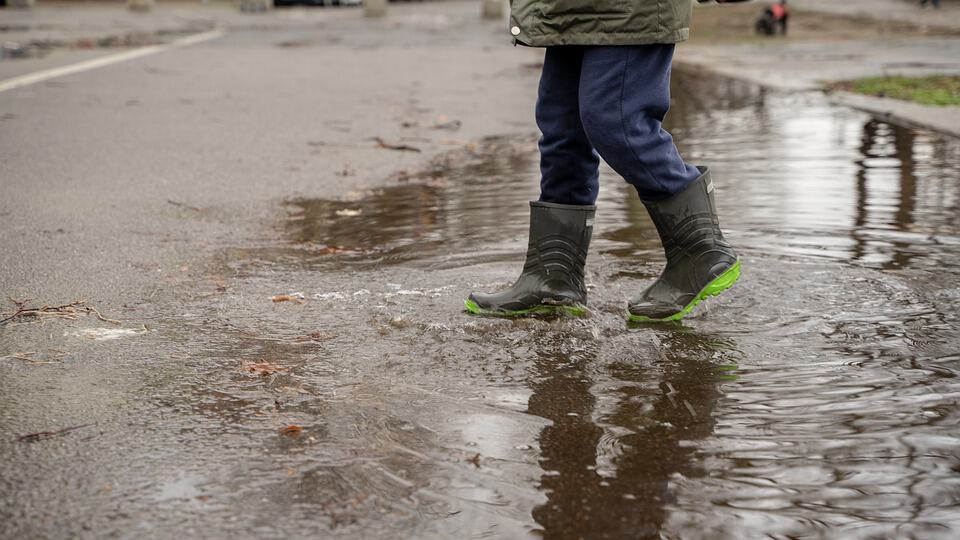
Heavy autumn and winter rain can leave water across roads, especially near streams, dips and poorly drained areas. It can be difficult to judge depth, even when the water appears shallow.
If you cannot see the road surface or markings, turning around is usually the safest option. Do not follow another vehicle through and assume the route is clear. Its suspension and ground clearance may be different from yours.
Water can damage the engine, electrical systems and brakes. If you do drive through shallow water, do so slowly and steadily, avoiding sudden braking or acceleration. But remember that damage caused by entering floodwater is not automatically covered by every policy.
An accidental damage claim may be considered under comprehensive cover, but the circumstances and policy exclusions matter. Driving into water that you could reasonably have avoided may lead to questions about how the damage occurred. Check your policy wording or speak to your insurer if you are unsure.
The National Highways winter driving advice also recommends planning journeys, checking conditions and carrying basic supplies in severe weather.

Think about footwear
Large, heavy boots can be useful when scraping ice or walking through muddy verges. They may be less helpful when moving between the accelerator, brake and clutch.
Bulky soles can reduce your feel for the pedals or catch on adjacent pedals. Wet footwear can also slip. Keep a suitable pair of driving shoes in the car if your usual winter footwear makes pedal control awkward.
There is no special “winter boots” offence, but you are responsible for staying in proper control of your vehicle. If footwear contributes to poor control, it could become relevant after an incident.
Winter tyres and policy changes
Winter or all-season tyres can be useful in colder conditions, particularly if you regularly drive on rural roads or areas that see snow and ice. They should be suitable for your vehicle and fitted in line with the manufacturer’s specifications.
Changing to winter tyres does not automatically mean you have made an insurance modification. However, changing wheel sizes, tyre sizes, speed ratings or using non-standard wheels may need to be declared.
Policies and insurer approaches differ, so check before fitting anything outside the vehicle manufacturer’s standard specification. It is better to have a quick conversation than to discover a problem after a collision.
Keep your details accurate
Your insurance is based on the information provided when the policy starts and at renewal. If something changes, tell your insurer or broker.
Examples include:
- A significant change to your annual mileage
- Using the car for a new type of work or commute
- Moving home or changing where the car is kept overnight
- Adding a winter driving course or business use
- Fitting non-standard wheels or tyres
- Changing the regular driver
A longer winter commute, a new job or a move to a different address may affect the details held on your policy. It does not necessarily mean your price will increase, but inaccurate information can create difficulties if you need to claim.
You can find more information about T&R Direct’s car insurance options and the range of motor policies available from our panel of leading UK insurers.
Your darker-month checklist
Before winter settles in, make sure you:
- Test every light and clean the lenses
- Check tyre condition, tread and pressures
- Replace worn wiper blades
- Top up suitable screenwash
- Check the battery if starting is becoming sluggish
- Keep a scraper and de-icer in the car
- Clear all windows, lights and the roof before driving
- Never leave an unattended car running with the keys inside
- Allow more space on wet, icy or leaf-covered roads
- Avoid floodwater when depth is uncertain
- Use suitable footwear for proper pedal control
- Check whether winter tyres or different wheels need to be declared
- Update your insurer about changes to mileage, use or where the car is kept
The clocks going back are a useful prompt to prepare. A few minutes spent checking the car now could make the daily commute safer – and help ensure your insurance details still match the way you use your vehicle.


About The Author: Penny
More posts by Penny