
The cold truth
The first proper frost has a knack for finding the weak spots in a car. A battery that seemed fine yesterday may struggle to start the engine, while tyres that have lost pressure can feel less sure-footed on wet, chilly roads.
But is the first cold snap really the worst week of the year for breakdowns? There isn’t a single official UK dataset proving that it causes more breakdowns than every other week. What we do know is that winter weather puts extra strain on common trouble spots. One published winter patrol-call-out analysis found that battery faults accounted for 24% of call-outs between December and February, with tyre problems making up 16%.
Those figures cover one service’s winter call-outs, not every car or driver in the UK. Still, they’re a useful nudge to get ahead of the weather. A few simple checks now could help you avoid an inconvenient wait by the kerb when you’d rather be heading home.
Battery blues
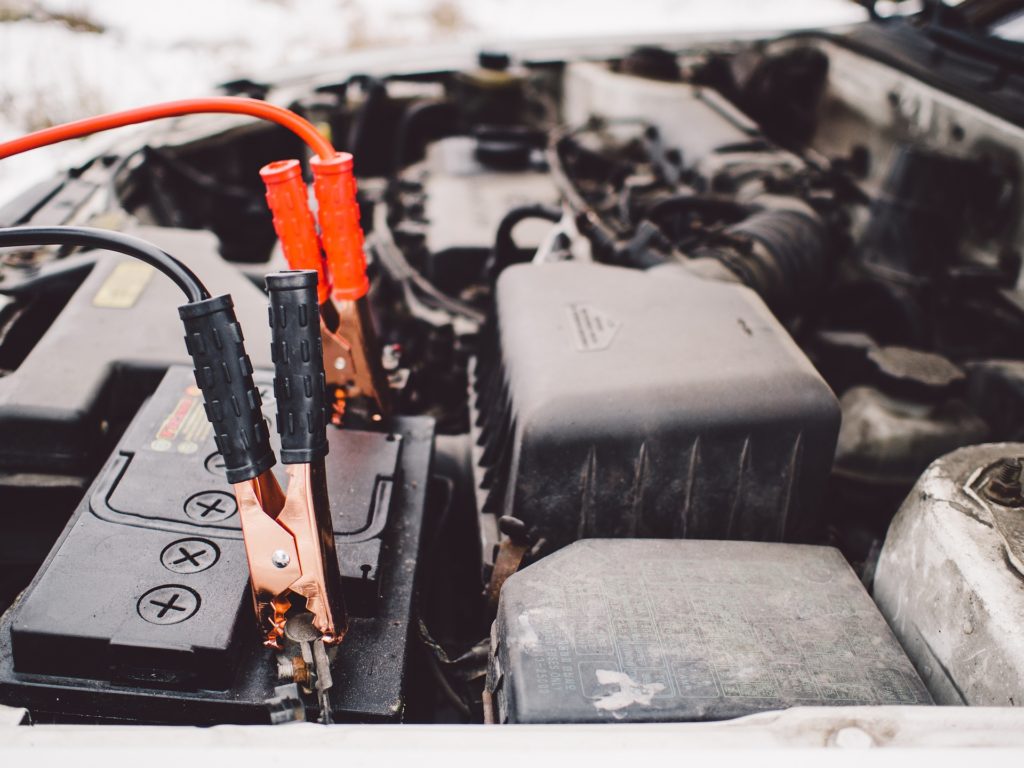
Cold weather can make it harder for a car battery to deliver the power needed to start the engine. Short journeys can add to the strain, as the battery may not have much time to recharge between trips.
Listen out for a slow, laboured start or clicking when you turn the key. These can be signs that the battery needs attention. If it’s been a few years since yours was checked – or you’ve noticed it struggling – it’s worth asking a garage to test the battery and charging system before temperatures drop further.
You can also get into the habit of switching off lights, heated seats and other electrical equipment before leaving the car. And if your car is used mainly for short journeys, ask a professional whether a longer drive or suitable battery charger might help. Don’t keep turning the ignition over repeatedly if the engine won’t start; it may add strain without solving the problem.
Tyres matter
Tyres can lose pressure as temperatures fall, and an under-inflated tyre may affect grip, steering and braking. Before a longer journey, check the pressures against your car handbook or the manufacturer’s information – do it when the tyres are cold for a more reliable reading.
While you’re there, look for cuts, bulges or uneven wear. The legal minimum tread depth for cars, light vans and light trailers is 1.6mm across the central three-quarters of the tread and around its full circumference. That’s a legal limit, not a target for confident winter driving, so get advice if your tyres look worn.
The Highway Code’s vehicle maintenance guidance recommends checking tyre pressures weekly and before a long journey. A quick look now could save you discovering a problem at the roadside.
Check the fluids
Coolant helps regulate your engine’s temperature. In winter, it also needs the correct antifreeze mixture to reduce the risk of freezing. Check the level only when the engine is cool, and use the type recommended for your vehicle. If the level has dropped suddenly, it’s sensible to ask a garage to investigate rather than simply topping it up and hoping for the best.

Screenwash deserves a look too. Use a winter-ready screenwash rather than plain water, and make sure your wipers aren’t split or worn. Frozen wipers can stick to the windscreen, so free them gently before switching them on – forcing them may damage the blades or mechanism.
The Met Office winter vehicle checks cover coolant, tyres, battery, lights, oil and screenwash. It’s a handy checklist if you’d like to work through the basics.
See and be seen
Shorter days mean more journeys in the dark, while rain, spray and road grime can quickly make a windscreen hard to see through. Check that your headlights, brake lights and indicators work, and give the glass a clean. Make sure your windscreen clears properly too – misty windows and patchy wipers are not a great combination on a frosty school run.
Keep an ice scraper and de-icer in the car, rather than buried in the shed. Before setting off, clear the windows, mirrors and lights properly. A small winter kit with a torch, warm layer and phone charger is also worth having, especially if you often travel longer distances.

Think ahead
Even well-maintained cars can break down. So it’s worth checking what help you could call on before you need it – not while you’re standing beside a cold car and trying to remember where you put your policy details.
T&R Direct offers UK motor insurance and breakdown cover, with roadside-only cover from £33 a year for cars up to 10 years old. You can also add recovery, at-home assistance or European cover, depending on how you use the car. The right level depends on the help you want: roadside may suit one driver, while someone who often starts journeys from home might prefer an option that includes at-home assistance.

If you stop
If you do break down, focus first on getting yourself and your passengers somewhere safe. Follow the relevant road and vehicle safety advice, and contact your breakdown service for help. Keep your phone charged and your policy details somewhere easy to find – a little preparation can make an already frustrating moment less stressful.
Ready for the snap?
You don’t need a full garage makeover to prepare for winter. Check the battery, tyre pressure and tread, coolant, screenwash, lights and wipers. Then take a moment to review your UK motor and breakdown cover.
The first frost may still catch you out – British weather has its own schedule – but a little attention now can make your next cold morning feel much more manageable.



About The Author: Penny
More posts by Penny